

What is an Olla, Exactly?
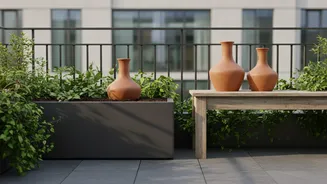
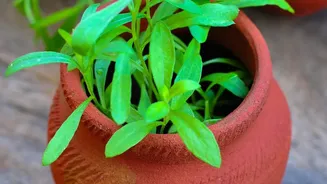
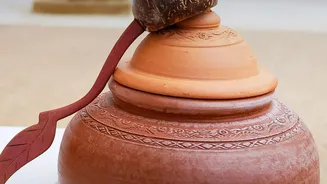
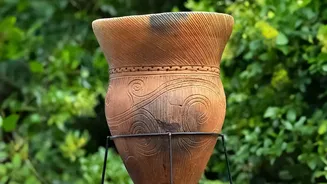
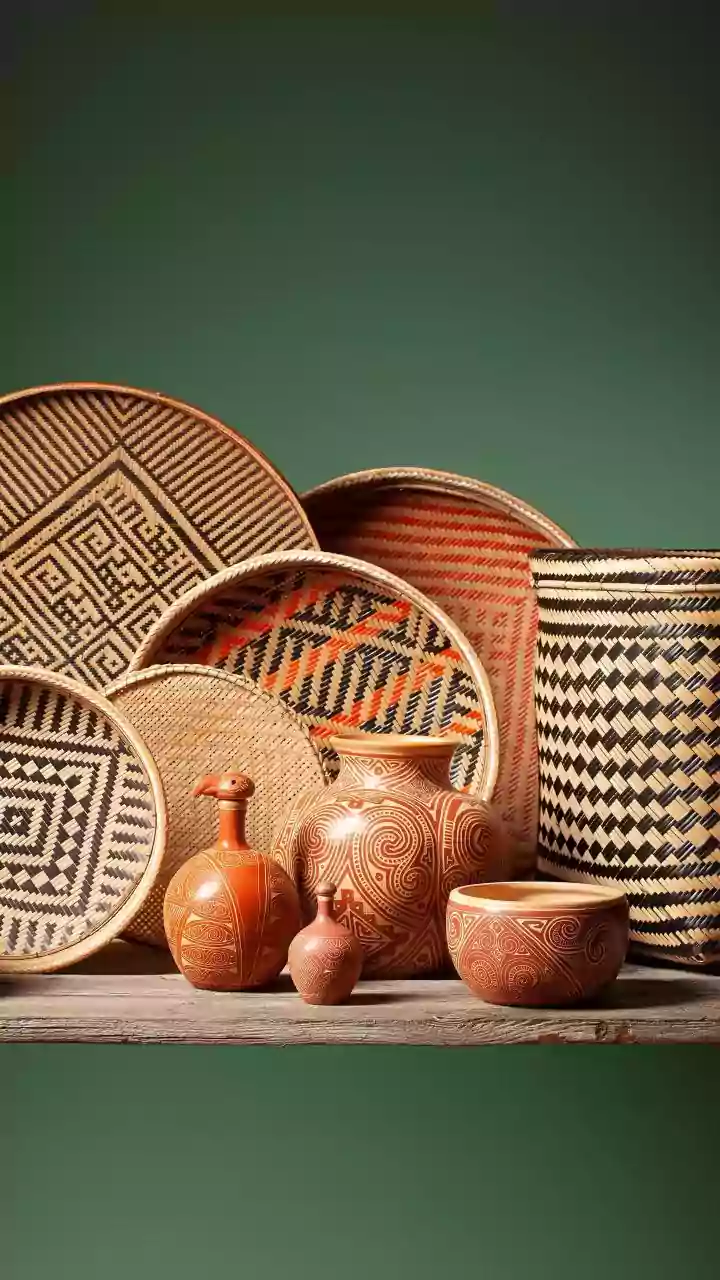
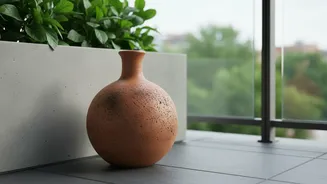
An olla (pronounced 'oh-ya') is simply an unglazed, porous terracotta pot used for irrigation. This isn't a new trend; it's a 4,000-year-old technique used by ancient civilizations in China, North Africa, and the Americas to grow crops in arid climates.
The concept is brilliantly simple: the pot is buried in the soil with only its narrow neck showing, filled with water, and covered. The pot then acts as a subterranean reservoir, delivering water directly to where it's needed most—the plant's roots.
The Simple Science of Slow-Release Watering
The magic of the olla lies in a natural process called soil moisture tension. Unglazed clay is porous, allowing water to slowly seep through. However, it doesn't just leak out. The water is actively 'pulled' through the pot's walls by the surrounding dry soil and thirsty plant roots. When the soil is moist, the water in the olla stays put. As the soil dries, it draws out just enough moisture to rehydrate itself, creating a perfectly self-regulating system. This prevents the stress cycle of overwatering and underwatering that many container plants suffer from.
The Perfect Solution for Balcony Gardens
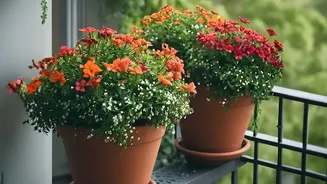
Container gardens on balconies present unique challenges. They are exposed to more wind and heat, causing the soil to dry out much faster than in-ground beds. This is where ollas excel. By delivering water below the surface, they can reduce water loss from evaporation by up to 70% compared to surface watering. This means you'll refill them only every few days instead of watering daily. This deep, consistent hydration encourages healthier, more robust root systems. Furthermore, keeping the soil surface and plant foliage dry helps prevent common issues like weeds and fungal diseases.
How to Use Ollas in Your Containers
Using an olla on your balcony is straightforward. For most standard planters (around 5 gallons or larger), a single small or medium-sized olla is sufficient. Simply place the empty olla in the center of your pot, then fill around it with soil, burying it up to its neck. Plant your chosen flora around the olla, positioning thirstier plants like tomatoes or cucumbers closest. Fill the olla with water and place a rock or cap on top to prevent mosquitos and debris. For newly potted plants, you may need to surface water for a week or two until their roots grow long enough to find the olla.
Best Plants and What to Know
Ollas work best with plants that have fibrous root systems and appreciate consistent moisture. Thirsty vegetables like tomatoes, peppers, squash, and cucumbers are ideal candidates. Many herbs, especially basil, also thrive with this system. Avoid using liquid fertilizers inside the olla, as they can clog the clay's pores. If you live in a climate with freezing winters, it's best to remove and store your ollas to prevent them from cracking. While you can purchase specially made ollas, you can also create a DIY version by sealing the drainage hole of one terracotta pot and using another as a lid, or by gluing two pots together at the rim.