






Planning Your Route
The journey from Bangalore to Agumbe spans approximately 350 to 380 kilometres and typically takes around seven to eight hours. The most recommended route is via National Highway 75 (NH75), passing through Hassan, Belur, and Sringeri before ascending
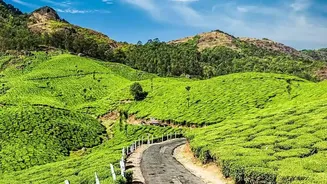
the ghats to Agumbe. An alternative, slightly longer route via Chikmagalur offers picturesque views of the Malnad region's coffee estates. While the highways are generally in good condition, the final stretch includes the winding Agumbe Ghat, which features 13 hairpin bends that demand careful driving, particularly during the rainy season. Starting early from Bangalore helps avoid city traffic and ensures you reach the ghat section well before dark. Mobile networks can be patchy in the dense forest areas, so downloading offline maps is a sensible precaution.
Essential Stops Along the Way
Breaking up the drive with a few key stops can transform the journey into an adventure. Sringeri, located just 26 km from Agumbe, is a must-visit. It is home to the ancient Sharada Peetham, a revered monastery established by Adi Shankara on the banks of the Tunga River. The complex, open from morning until evening with a break in the afternoon, features stunning temple architecture and a serene atmosphere. Another worthwhile detour is Kundadri Hill, a monolithic rock formation about 17 km from Agumbe. A drivable road leads to the top, where a 17th-century Jain temple and two small ponds await, offering panoramic views of the Western Ghats, especially enchanting during sunrise.
The Agumbe Rainforest Experience
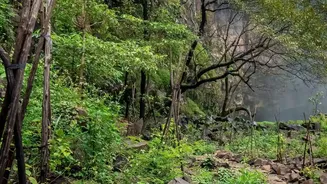
Once in Agumbe, the rainforest beckons with its rich biodiversity and cascading waterfalls. The monsoon is the best time to witness waterfalls like Barkana Falls, Jogi Gundi Falls, and Onake Abbi Falls in their full glory. Jogi Gundi Falls, just 4 km from the main bus station, is famous for its natural pool formed by water emerging from a cave. Onake Abbi Falls requires a trek but rewards visitors with a spectacular view of water dropping from a height of 500 feet. For a quintessential Agumbe experience, head to the Sunset View Point on the ghat road, which offers breathtaking views of the sun setting over the distant Arabian Sea on clear days.
A Paradise for Photographers
For photographers, Agumbe during the monsoon is a canvas of vibrant greens, rolling mist, and unique macro subjects. The low-light conditions under the dense canopy present a challenge that can be managed with the right equipment and technique. A dedicated macro lens is essential for capturing the intricate details of frogs, insects, and colourful fungi. An external flash with a diffuser will help illuminate subjects without creating harsh shadows. For landscape shots, a wide-angle lens can capture the grandeur of the rainforest, while a tripod is crucial for maintaining sharpness in low light. Packing rain covers for your gear, along with extra batteries and microfiber cloths, is non-negotiable to protect your equipment from the constant moisture.
Monsoon Driving and Safety
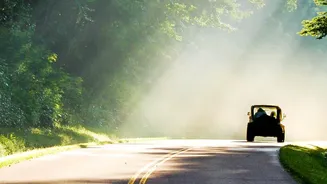
Driving the Agumbe Ghat during the monsoon is an exhilarating experience that requires caution. The narrow roads become slippery, and visibility can drop to near zero due to heavy fog and rain. It's crucial to drive at a moderate speed, honk on blind turns, and maintain a safe distance from other vehicles. Heavy vehicles are often banned on this route during peak monsoon to prevent landslides, which can make the drive smoother for cars but also highlights the potential risks. Before starting, ensure your vehicle's tyres, brakes, and wipers are in excellent condition. Carry a first-aid kit, insect repellent, and leech socks, as leeches are common on forest trails during this season. Also, keep your fuel tank topped up, as petrol stations become sparse after leaving the main highways.