




Understanding October's Weather Puzzle
October is a month of change for India's weather. The main southwest monsoon, which brings rain from June to September, officially starts withdrawing. This year, the withdrawal began around September 19, and by early October, it has retreated from large
parts of northwest and central India. However, "withdrawal" doesn't mean the rain simply stops overnight. It's a gradual process where large-scale wind patterns shift. At the same time, the northeast monsoon begins to form, which primarily affects the southeastern coast. This transition can lead to a phenomenon known as 'October Heat', where clear skies cause temperatures to rise during the day. But it can also bring unexpected, intense showers, especially in southern and eastern states, as weather systems develop over the Bay of Bengal.
Key Risks for Holidaymakers
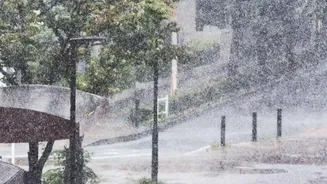
The primary risk of travelling in October is unpredictability. While many parts of the country enjoy pleasant, dry weather, others can experience sudden downpours. These can lead to significant travel disruptions. In hilly regions, heavy rain increases the risk of landslides, which can block roads for hours or even days. In coastal areas and cities, waterlogging and flooding are common concerns, leading to severe traffic congestion. Airlines and railways may face delays or cancellations due to poor weather conditions. According to the India Meteorological Department (IMD), several states including those in the south, east, and northeast are forecast to receive rain between October 5 and 10, accompanied by thunderstorms and strong winds in some areas. Tourists should be particularly cautious around beaches and coastal attractions, which can be affected by rough seas and strong winds.
Smart Destination Choices
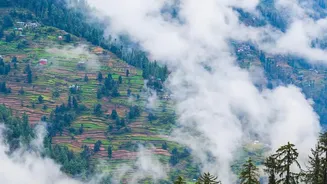
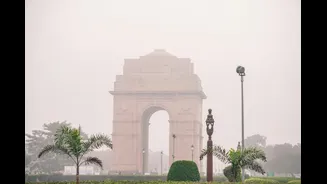
Choosing your destination wisely is key to a successful October trip. Northern and western India are generally safe bets. Rajasthan, Gujarat, Delhi, and most of Uttar Pradesh see minimal rain and pleasant temperatures, making it an ideal time for sightseeing before the peak winter crowds arrive. Hill stations in Himachal Pradesh and Uttarakhand also offer clear skies and stunning mountain views post-monsoon. Conversely, it's wise to be cautious about southern and eastern destinations. While the post-monsoon greenery in places like Kerala and Coorg is beautiful, these areas can still receive occasional showers. Tamil Nadu, in particular, is where the northeast monsoon begins in October, so it can be one of the wettest parts of the country this month. Goa is a mixed bag; the peak season starts in October as shacks reopen, but scattered showers are still possible early in the month.
Your Essential Travel Checklist
A little preparation goes a long way. Before you leave, check the multi-day weather forecast for your specific destination on the IMD website. When packing, include a lightweight, waterproof jacket or a sturdy umbrella. Opt for synthetic, quick-drying clothes over cotton and jeans, which take a long time to dry in humid conditions. Choose appropriate footwear; waterproof sandals or floaters are better than sneakers that can get soaked and lead to discomfort. Protect your electronics by carrying them in waterproof bags or zip-lock pouches. Pack a basic first-aid kit with medicines for common ailments like colds and flu, along with an insect repellent. Finally, be flexible. Have a backup plan in case the weather disrupts your primary itinerary. Occasional delays are possible, so a good book or a pack of cards can be a lifesaver.