
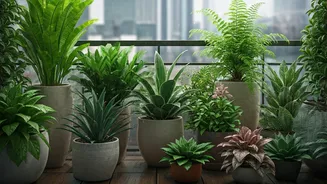


Why Go Native? The Smarter Choice
Before you rush to the nursery, consider this: native plants are species that have grown in your region for centuries, perfectly adapted to the local climate, soil, and rainfall. [4] Unlike exotic varieties that might struggle, native plants are naturally
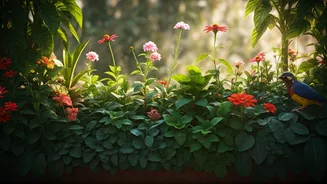
resilient. This means they generally require less water, fewer pesticides, and minimal fertiliser once established. [1, 8] They are the definition of low-maintenance gardening. [3] Beyond ease of care, choosing native species has a powerful ecological benefit. These plants provide essential food and shelter for local wildlife, such as birds, bees, and butterflies, that have evolved alongside them. [4, 8] By planting natives, your terrace can become a vital mini-sanctuary, supporting local biodiversity right in the heart of the city. [1, 2]
For Sun-Drenched Spots: Flowers That Flourish
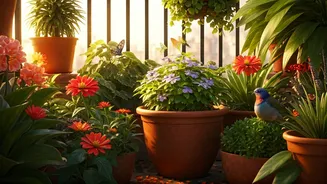
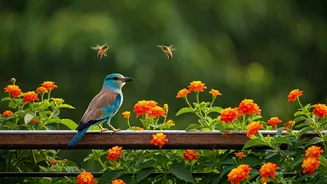
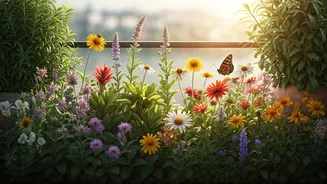
Most Indian terraces get plenty of sun, which is perfect for a variety of flowering natives. Marigolds (Genda) are a classic choice, thriving in full sun and adding vibrant pops of orange and yellow. [14, 6] They are also known to attract butterflies and support a food chain that benefits birds. [13] Hibiscus is another sun-lover, producing large, stunning blooms that are a magnet for nectar-feeding birds like sunbirds. [13, 5] For something that offers both beauty and fragrance, consider Parijat (Night-flowering Jasmine), whose delicate flowers bloom at night and create a fragrant carpet on your terrace by morning. [11] Similarly, the popular Mogra (Arabian Jasmine) is a hardy choice for pots, blooming through summer and monsoon with its intoxicating scent. [14]
Creating a Buzz: Plants for Pollinators
One of the greatest joys of a green terrace is watching it come alive with visitors. To create a pollinator paradise, plant in clusters. Butterflies, for instance, are more likely to visit groups of flowers. [6] Ixora, with its dense bunches of red, pink, or orange star-like flowers, is a favourite for both butterflies and sunbirds. [13, 12] The Curry Leaf plant (Kadi Patta) is not just for your kitchen; it's also a host plant for the common mormon butterfly. [5] And don't underestimate the power of Tulsi (Holy Basil). Its small flowers are a constant source of nectar for butterflies, and its presence is believed to repel certain pests, benefiting the other plants on your terrace. [2, 12]
A Touch of Green for Shady Corners
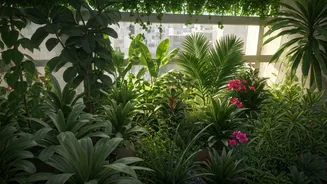
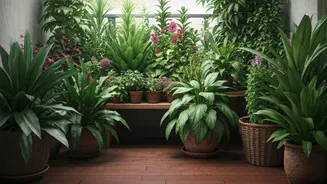
Not every part of a terrace gets full sun. For those shadier nooks, there are still plenty of native options. Aparajita (Butterfly Pea), a cheerful climber with brilliant blue or white flowers, grows easily in pots and can be trained along a railing, happy with partial sun. [11] Many ferns native to India also thrive in lower light conditions and add a lush, tropical feel with their delicate fronds. Even the Money Plant, a common sight in Indian homes, is an excellent choice for shaded spots or a vertical garden, known for being low-maintenance and purifying the air. [3]
Setting Up for Success: Pots, Soil, and Water
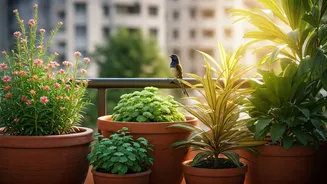
Success with a container garden starts with the basics. Choose pots that are large and deep enough to accommodate the plant's root system; many native plants have deeper roots than common annuals. [21] Ensure every pot has drainage holes to prevent waterlogging, which can be fatal. [17] Instead of using heavy garden soil, opt for a quality, well-draining potting mix. You can amend it with compost for nutrients. [17] While native plants are often drought-tolerant, remember that plants in containers dry out much faster than those in the ground. [23] Water thoroughly when the top inch or two of soil feels dry, but avoid letting the pots sit in standing water. [20, 18]