
Peering Through the Cosmic Veil
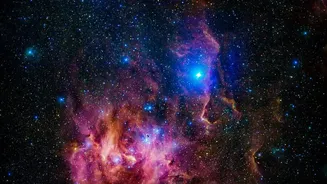
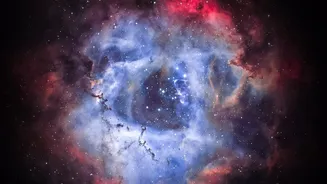
The very places where stars are born are also what make them so difficult to see. Stars form within the dense, cold hearts of molecular clouds, which are vast structures of gas and dust spanning tens of light-years. These stellar nurseries are so thick
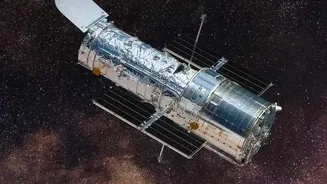
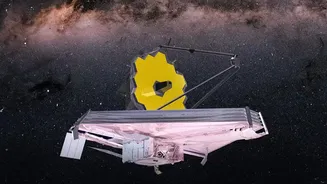
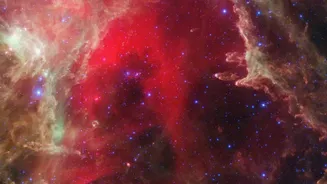
that they obscure the visible light emitted by the young stars, known as protostars, forming inside. This is where infrared astronomy becomes essential. Unlike visible light, infrared light has a longer wavelength that can more easily penetrate these thick clouds of cosmic dust. Telescopes like NASA’s James Webb Space Telescope (JWST) and its predecessors, the Spitzer and Hubble Space Telescopes, are equipped with instruments specifically designed to detect this infrared radiation, allowing them to peer into regions of space that are otherwise hidden from view.
From Faint Glow to a Stellar Blueprint
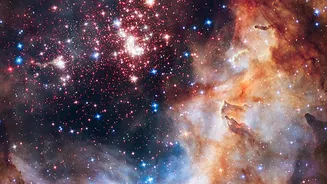
Once a telescope captures this infrared light, the real detective work begins. A protostar, while hidden, heats the surrounding dust, causing it to glow brightly in infrared wavelengths. Astronomers can detect this glow, effectively seeing the heat signature of a star in its earliest stages. Furthermore, different instruments can analyze the specific wavelengths of light, a technique called spectroscopy. This allows scientists to identify the chemical composition of the star-forming regions. Specific indicators, such as the glow from energized hydrogen gas (known as H-alpha emission) or the radiation from massive, short-lived OB-type stars, act as direct signposts of recent or ongoing star birth. By cataloging these signals, astronomers create a detailed blueprint of where and how actively stars are forming.
A Cosmic Census Across Time
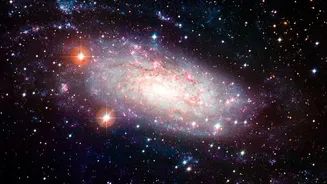
Mapping star formation isn't just about one galaxy; it's about understanding the entire history of the universe. Because light takes time to travel, looking at very distant galaxies is like looking back in time. Instruments like JWST are powerful enough to conduct 'deep field' scans, capturing images of thousands of galaxies in a tiny patch of sky. Some of these galaxies are seen as they were billions of years ago, during a period known as the "cosmic noon," when star formation throughout the universe was at its peak. By surveying these ancient galaxies, astronomers can take a census of how many stars were being born at different epochs. This provides crucial data points for charting the star formation history of the universe, revealing a story of rapid bursts of creation in the early cosmos.
Calculating the Rate of Birth
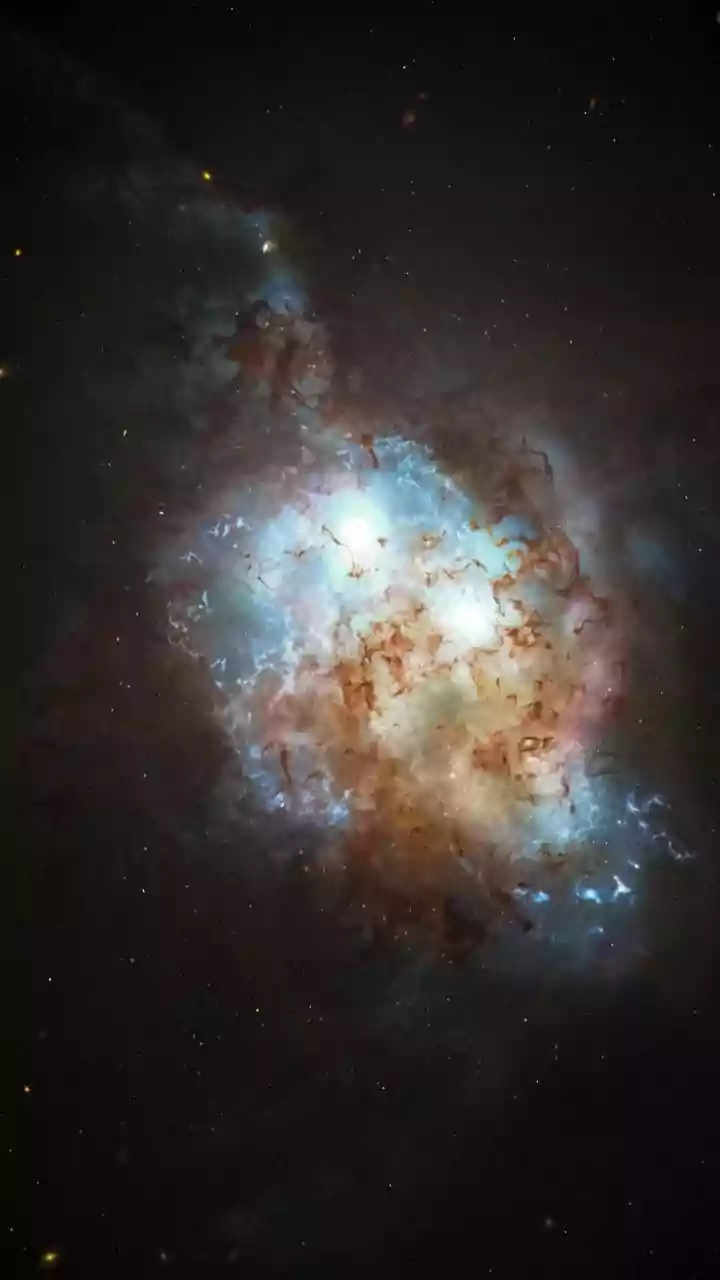
The 'star formation rate' (SFR) is the key metric that astronomers seek. It is typically measured in solar masses per year, representing the total mass of gas converted into new stars annually within a galaxy or region. The Milky Way, for instance, has a relatively modest rate of about two solar masses per year, while some 'starburst' galaxies can have rates hundreds of times higher. To calculate this rate, astronomers combine several observations. They measure the luminosity of indicators like ultraviolet light from massive young stars or the infrared glow from heated dust. They then use complex models, which account for factors like the initial distribution of star masses, to translate that luminosity into a total mass of new stars formed. By applying this method to galaxies at various distances, they can map how the average SFR has changed over cosmic history.
Why This Cosmic Map Matters
Understanding the rate of star formation across cosmic time is fundamental to our understanding of how everything came to be. This cosmic map helps scientists refine their theories on galaxy evolution, revealing how galaxies like our own Milky Way grew and changed. Since stars are the cosmic forges that create heavier elements—the very elements that make up planets and life—charting their birth rate is linked to understanding the conditions necessary for life to emerge. These deep space scans provide the raw data needed to build a comprehensive story of the universe, from the first sparks of light after the Big Bang to the ongoing creation of stars and planets in our cosmic neighborhood today. It's a grand project of galactic archaeology, with each new image adding another crucial piece to the puzzle of our cosmic origins.