


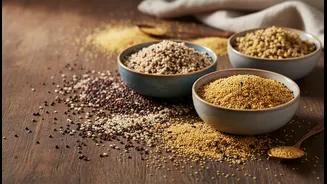


Prioritise Unpolished Millets
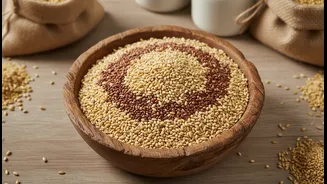
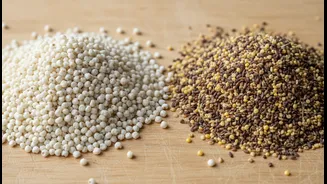
The single most important factor when buying millets is choosing unpolished varieties. Polishing is a mechanical process that strips away the outer bran layer to make grains look smoother and cook faster. However, this bran layer is where most of the nutrients
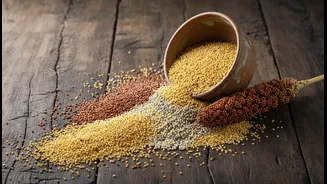
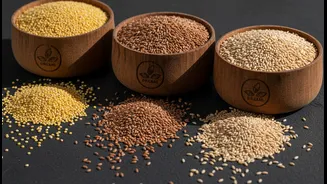
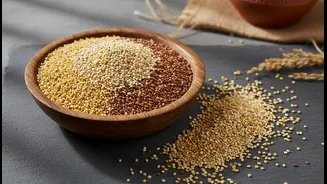
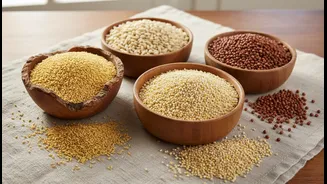
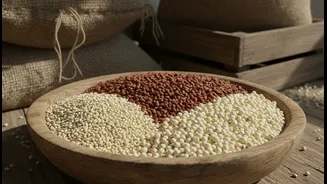
reside, including fibre, vitamins, and essential minerals like iron and magnesium. Polished millets lose up to 70% of their fibre, defeating the purpose of eating them for health benefits like blood sugar management. To tell the difference, look at the colour and texture. Unpolished millets have their natural earthy colours—grey, brown, yellow, or reddish—and feel slightly rough. If the grains look uniformly white and shiny, they are likely polished.
Know Your Millet Type
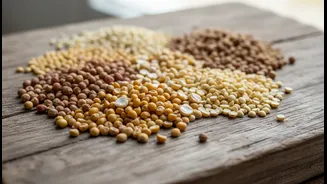
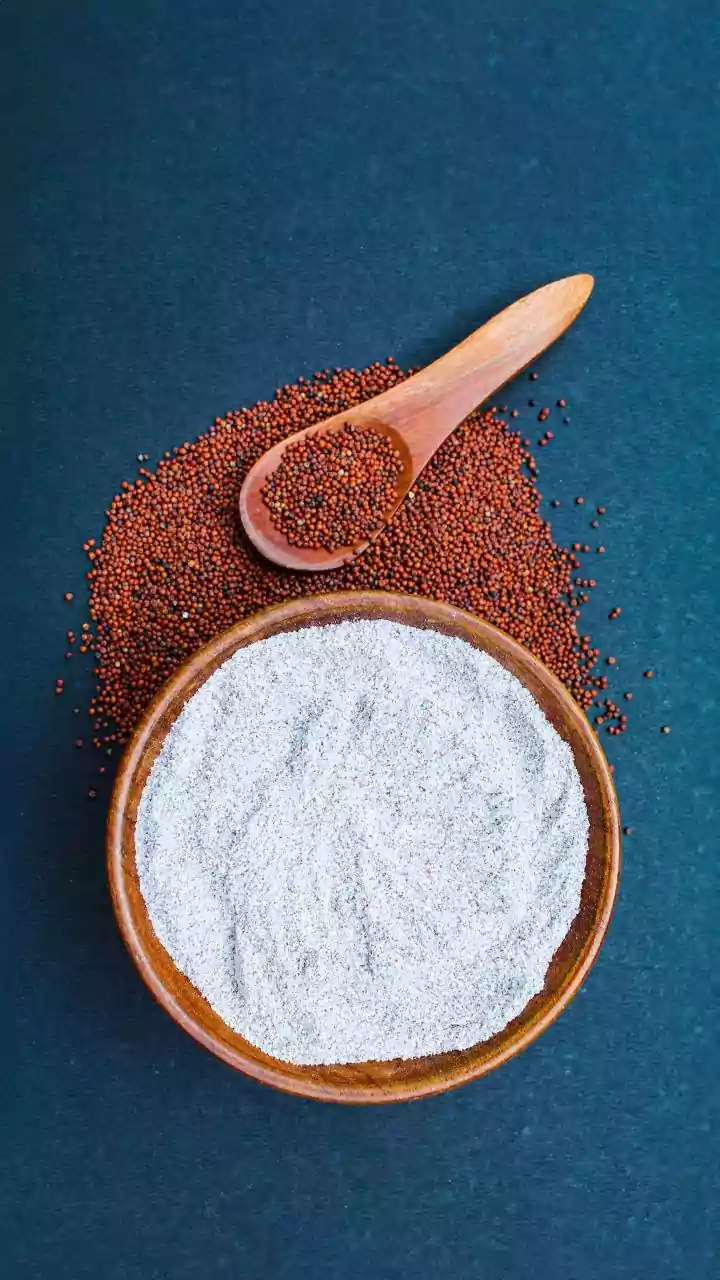
Not all millets are the same; each has a unique nutritional profile and culinary use. Common types available in India include Finger Millet (Ragi), Pearl Millet (Bajra), Sorghum (Jowar), Foxtail Millet (Kangni), and Barnyard Millet (Sanwa). For example, Ragi is famously high in calcium, making it great for bone health, while Bajra is rich in iron. Kodo millet is known for its high magnesium content, and Barnyard millet has a low glycemic index, making it suitable for diabetics. Understanding these differences helps you choose the right millet for your specific health needs and recipes. The term "gourmet" might refer to these less common but highly nutritious varieties.
Inspect the Grains Closely
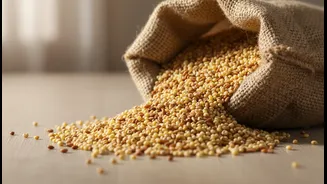
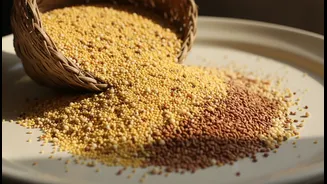
Good quality millet should have uniform grains and be free from debris. Check the packet for signs of extraneous matter like stones, dust, or other grains. The colour should be consistent with the type of unpolished millet it is; for instance, Foxtail millet should be yellowish, and Kodo millet reddish-brown. Another key indicator for unpolished millets is a tiny black dot visible on each grain, sometimes called the 'millet eye'. This confirms the bran is intact. Also, check for weevilled grains or signs of insect infestation, which can appear as fine black dust or tiny holes. The grains should not smell musty or unpleasant.
Read the Packaging and Labels
Proper packaging is crucial for maintaining freshness and preventing contamination. Always choose millets that are sold in sealed, airtight packets. Check for the manufacturing and expiry dates; fresher millets are always better. The label should also have a FSSAI license number, which ensures the seller complies with food safety standards. Since 2023, the FSSAI has specified a comprehensive group standard for 15 types of millets, setting limits on moisture content, extraneous matter, and other quality parameters. If a product claims to be organic, look for the 'Jaivik Bharat' logo as a mark of certification.
Be Wary of Misleading Claims
The term "gourmet" is not a regulated standard and can sometimes be used as a marketing tactic for polished grains sold at a premium. Don't let fancy packaging or a high price fool you. Focus on the fundamental checks: is it unpolished, what type is it, is the packaging secure, and does it have the necessary certifications? Trustworthy sellers are often transparent about their sourcing and processing methods. Sometimes, the best quality millets come from local organic stores or direct from farmer groups rather than large commercial brands with slick marketing.
Start Small and Store Properly
If you are new to a particular type of millet, it's wise to buy a small quantity first to test its quality and see how you like it. Once you bring your millets home, proper storage is key to extending their shelf life. Transfer them to a clean, dry, airtight container and store them in a cool, dark place away from moisture and direct sunlight. Unpolished millets have a shorter shelf life than polished ones because the oils in the bran layer can go rancid over time. For longer storage, you can even keep them in the freezer.