




Winter Warriors: Citrus and Pomegranates
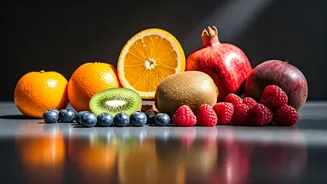
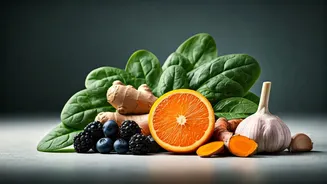
When the days are short and cold, your body can use all the help it can get. Winter is the peak season for citrus fruits, and their reputation as immune-support powerhouses is well-earned. Oranges, grapefruits, clementines, and lemons are loaded with
Vitamin C, a crucial antioxidant that plays a key role in the production of white blood cells—the body's primary defenders against infection. While Vitamin C won't magically prevent a cold, consistent intake helps support the overall function and readiness of your immune system. Don't overlook pomegranates, either. These ruby-red jewels are packed with potent antioxidants called punicalagins and anthocyanins, which have been studied for their anti-inflammatory properties. A well-functioning immune response relies on keeping inflammation in check, making pomegranates a smart and delicious addition to your winter diet.
Spring Awakening: Strawberries and Kiwi
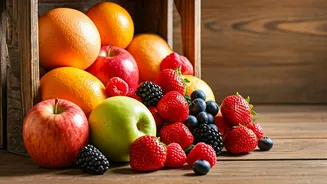
As the world thaws and comes back to life, so does a new crop of vibrant fruits. Spring is strawberry season, and these sweet berries are more than just a dessert topping. A single cup of strawberries can provide over 100% of your daily recommended Vitamin C intake. They also contain manganese and a wealth of antioxidants known as polyphenols, which help protect your cells from damage. Another spring standout is the fuzzy-skinned kiwi. Often overlooked, a single kiwi contains a remarkable amount of Vitamin C, sometimes even more than an orange. It's also a good source of Vitamin K, Vitamin E, and potassium. The combination of antioxidants and vitamins in kiwis helps support cell function throughout the body, including the various cells that make up your complex immune system. Slicing one into your yogurt or smoothie is an easy way to get a concentrated dose of these beneficial nutrients.
Summer Staples: Berries and Watermelon
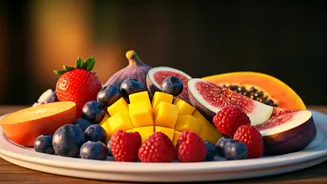
Summer offers an embarrassment of riches when it comes to fruit. This is the prime time for berries of all kinds—blueberries, raspberries, and blackberries. Blueberries, in particular, are famous for their high concentration of flavonoids, a type of antioxidant that can help support the respiratory tract's immune defense system. Raspberries are rich in ellagic acid, another antioxidant with anti-inflammatory effects. And while you're enjoying the sun, don't forget about watermelon. More than just a hydrating treat, watermelon is a fantastic source of an antioxidant called lycopene, which gives it its red color and helps protect cells from damage. It also contains citrulline, an amino acid that may play a role in overall health, and a surprising amount of Vitamin C. It’s the perfect refreshing snack for staying both hydrated and nourished on a hot day.
Fall Favorites: Apples and Cranberries
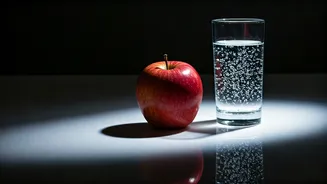
When the air turns crisp, it’s time for fall's harvest. An apple a day might not literally keep the doctor away, but it certainly helps. Apples are a great source of dietary fiber, particularly pectin, which acts as a prebiotic. It feeds the good bacteria in your gut, and a healthy gut microbiome is intrinsically linked to a robust immune system. Apples also contain an important flavonoid called quercetin, an antioxidant known for its anti-inflammatory benefits. As Thanksgiving approaches, so does cranberry season. These tart little berries are famous for their role in supporting urinary tract health, but their benefits don't stop there. They are one of the most antioxidant-rich fruits, boasting high levels of proanthocyanidins that help prevent certain bacteria from sticking to cell walls. Choosing fresh or frozen cranberries over sugary juices or sauces will deliver these benefits most effectively.