







The Kitchen Budget Rollercoaster
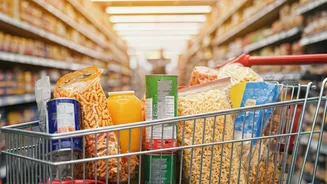
The monthly budget is a sacred document in most Indian homes, a careful balancing act of income and expenses. Yet, this delicate equilibrium is constantly threatened by one major variable: food prices. Food and beverages account for a significant portion
of the consumer price index, weighing in at over 45%. A sudden spike in the cost of essentials like vegetables, pulses, or cooking oil can derail the most meticulously planned budget. In May 2026, food inflation rose to 4.78%, putting pressure on families across the country. This isn't an abstract economic statistic; it's the real-life stress of finding your grocery bill unexpectedly higher, forcing difficult choices for the rest of the month. Families are forced to adapt, often by cutting back on quantity, switching to cheaper alternatives, or buying smaller pack sizes to manage cash flow.
Why Our Current Methods Aren't Enough
How do we currently deal with this? We rely on word-of-mouth, news reports that are often national rather than local, or we simply discover the price shock at the point of purchase. While some resourceful consumers hunt for deals across different stores, this is a reactive and time-consuming strategy. The government does monitor prices across hundreds of centres for key commodities, which is crucial for policymaking. However, this high-level data doesn't always translate into a practical tool for the average shopper standing in a market. There are a few third-party apps that attempt to provide daily market rates, but they often come with disclaimers about accuracy and are not universally adopted. We are left navigating a key component of our household expenses with incomplete, delayed, or overly broad information.
Imagine a Simple, Powerful Solution
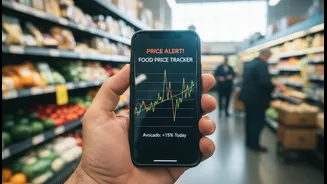
Now, imagine a different reality. What if your phone buzzed with a simple notification at the start of the week? "Alert: Tomato prices in your area are up 30% this week due to supply issues. Moong dal prices remain stable." This is the core idea of a food-price alert system. It's not a complex piece of futuristic technology; it's a straightforward application of data that already exists. It would be a user-friendly tool—perhaps a simple app or a WhatsApp service—that provides localized, real-time price information for a basket of essential food items. Users could select their city and even their preferred local market area to get tailored updates. This would transform consumers from price-takers to proactive planners, armed with the information they need before they even make their shopping list.
The Power of Proactive Planning
The benefits of such a system would be immense. Firstly, it would bring predictability to household budgeting, reducing financial stress. Knowing that the price of a certain vegetable has spiked, a family could plan to substitute it with a more affordable option for the week, preserving their overall budget. This leads to the second benefit: smarter consumption and reduced food waste. Instead of buying an expensive item out of habit, consumers would be nudged towards more economical choices. Over time, this could even influence demand patterns, rewarding stability. Furthermore, it empowers consumers, giving them a sense of control over an aspect of their finances that currently feels chaotic and unmanageable. For the nearly 60% of families who report finding it difficult to manage monthly expenses, this tool could be a game-changer.
Making It a Reality
Creating a food-price alert system is entirely feasible. The government's Price Monitoring Division already collects daily price data from 550 centres across the country for 38 commodities. The challenge lies in packaging this data into a consumer-friendly format. This could be a government initiative, an extension of the Digital India program, providing a public service that directly benefits citizens. Alternatively, it presents a massive opportunity for private tech companies, fintech platforms, or grocery delivery apps. They could integrate these alerts as a value-added feature, building customer loyalty by helping them save money. Whichever path is taken, the goal is the same: to bridge the information gap between wholesale price monitoring and the retail consumer's daily life.