




The Real Cost of Wasted Food
Before calculating bulk savings, it is important to understand the cost of waste. Globally, about a third of all food produced for human consumption is wasted each year. At the household level, this translates into significant financial losses. Studies
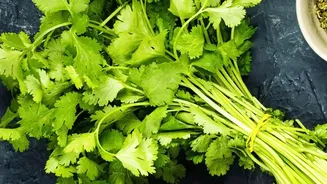
estimate that an average family can lose thousands of rupees annually on food that is purchased but never eaten. This waste happens quietly: a forgotten bunch of spinach turning slimy in the fridge, leftovers that are never eaten, or pantry items that expire before they are used. When you throw away food, you are not just losing the item itself; you are also throwing away the money you spent on it, effectively negating any savings you might have gained from a bulk discount.
Best Bets for Bulk Buys
The secret to successful bulk buying is choosing the right items. The best candidates are shelf-stable products that you use frequently and have a long shelf life. These include pantry staples that form the foundation of many Indian kitchens. Think about items like dried beans, lentils (dal), uncooked rice, and whole grains like oats. These products, when stored correctly in airtight containers, can last for months, if not years, making them ideal for bulk purchase. Other smart bulk buys include paper products, cleaning supplies, and canned goods. The key is to buy large quantities of items you know your household will consume well before any expiry date.
Items to Buy with Caution
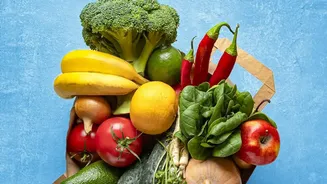
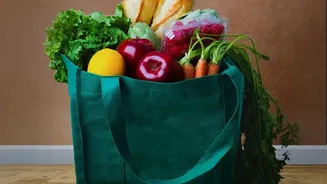
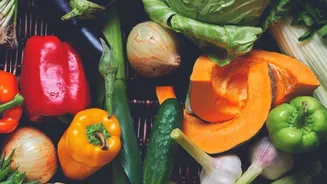
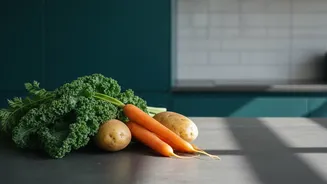
Perishable items are the riskiest bulk purchases. Fresh fruits and vegetables are among the most commonly wasted food items in households. That jumbo bag of potatoes or giant clamshell of berries might seem like a bargain, but if you end up throwing half of it away, you have lost money. The same caution applies to dairy products, bread, and certain oils that can go rancid. Spices are another tricky category; while they don't spoil in the traditional sense, they lose their potency and flavour over time, defeating the purpose of having them. Unless you have a large family or a specific plan to use them quickly, it's often better to buy these items in smaller quantities more frequently.
Smart Storage, Smarter Savings
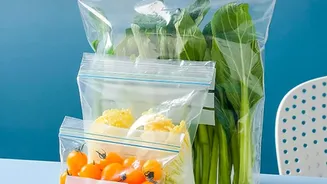
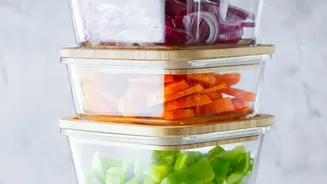
How you store your purchases is just as important as what you buy. Proper storage can dramatically extend the life of your food and protect your investment. For pantry staples like rice and lentils, use airtight containers to protect them from pests and moisture. For perishables, understanding your refrigerator is key. Use high-humidity drawers for vegetables that are prone to wilting, like leafy greens, and low-humidity drawers for fruits. Employ the "First In, First Out" (FIFO) method: when you buy new items, move the older ones to the front of your pantry or fridge so you use them first. Your freezer is also a powerful tool for reducing waste. You can freeze bread, portions of meat, and even chopped vegetables to use later.
The Strategic Shopper's Mindset
Ultimately, saving money on groceries is less about always buying in bulk and more about being a strategic shopper. Before you go to the store, make a meal plan for the week and create a detailed shopping list. Check what you already have in your pantry and fridge to avoid buying duplicates. When you see a bulk deal, do a quick mental calculation. Don't just look at the lower per-unit cost; honestly assess whether your household can consume the entire quantity before it spoils. Sometimes, paying a slightly higher price for a smaller quantity is the more financially sound decision if it means nothing will go to waste.