


More Than Just Comfort Food
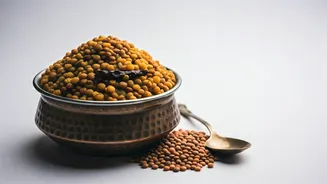
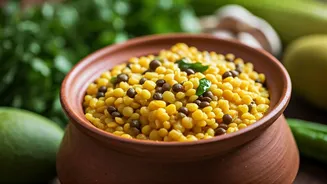
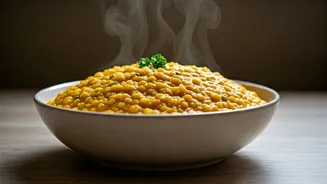
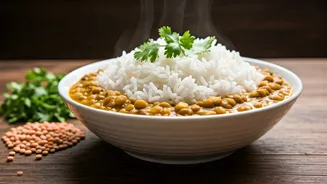
For generations, a bowl of dal has been the anchor of the Indian meal. It’s the reliable, protein-packed accompaniment to rice and roti, a symbol of home-cooked comfort. But its very ubiquity has perhaps diluted our appreciation for its true value. We
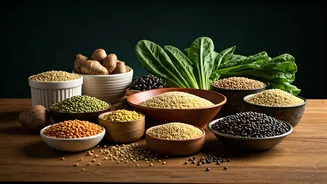
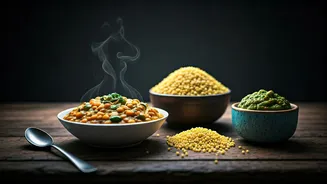
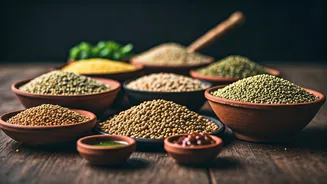
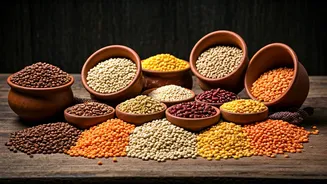
often see dal as simple, everyday fare, forgetting the incredible diversity it represents. From the hearty dal makhani of the north to the tangy sambar of the south, every region has its own beloved preparations, using a vast array of pulses like toor, moong, masoor, and chana. These are not just interchangeable lentils; each brings a unique flavour, texture, and nutritional profile to the table. Respecting dal means seeing it not as a default side dish, but as a culinary universe in itself, rich in plant-based protein, fibre, and essential nutrients that have sustained the subcontinent for millennia.
The Resurgence of Ancient Grains
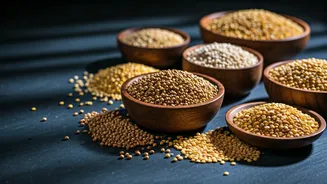
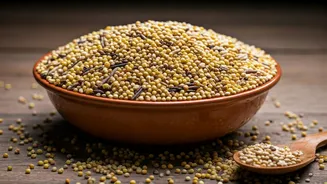
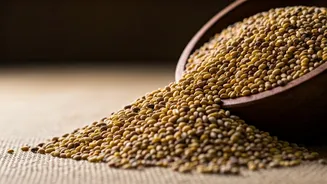
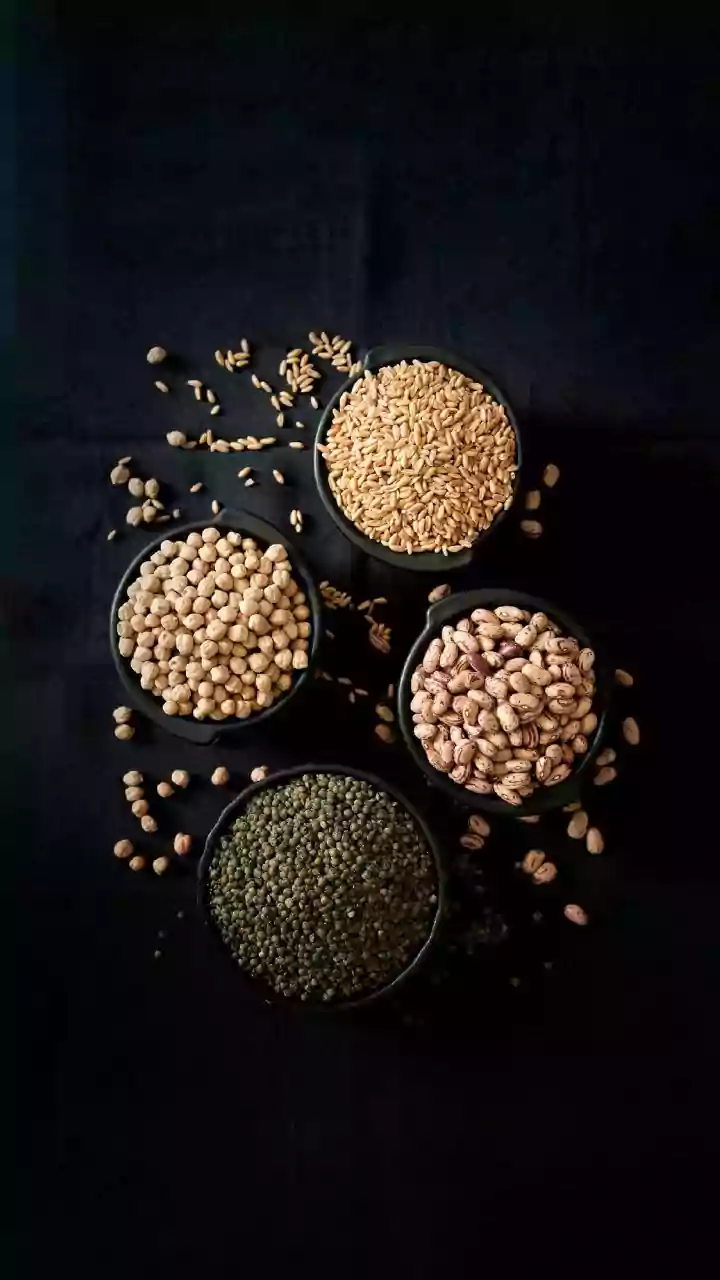
While dal has been a constant, millets are experiencing a powerful comeback. Grains like jowar (sorghum), bajra (pearl millet), and ragi (finger millet) were staples across India long before wheat and rice began to dominate our fields and plates following the Green Revolution. Their return to prominence, supported by initiatives like the International Year of Millets, is not driven by nostalgia alone. It’s a response to a modern need for smarter, more sustainable food choices. For years, many associated millets with being old-fashioned or difficult to cook, but that perception is rapidly changing as people rediscover their versatility and health benefits. These grains are naturally gluten-free and packed with nutrients, making them a superb alternative to refined flours and polished rice.
A Powerhouse of Nutrition
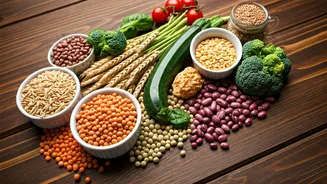
Combining dal and millets on a single plate creates a meal that is profoundly nourishing. Pulses are a cornerstone of plant-based protein. Millets, meanwhile, are a treasure trove of minerals and vitamins. Ragi, for example, is one of the richest plant-based sources of calcium, containing almost ten times more than wheat. Pearl millet is high in iron. Together, they offer a complete nutritional package. They are high in dietary fibre, which aids digestion and helps you feel full for longer. Their low glycemic index makes them particularly beneficial for managing blood sugar levels, a growing concern for many. A diet rich in these whole foods supports everything from heart health to gut-friendly bacteria, providing sustained energy without the crashes associated with refined carbohydrates.
Good for You, Good for the Planet
The argument for dal and millets extends beyond personal health to planetary well-being. Millets are often called 'climate-smart' crops for a reason. They are incredibly resilient, capable of growing in arid regions with minimal water and inputs like fertilisers and pesticides. Some varieties can mature on residual soil moisture, thriving in conditions where wheat and rice would fail. This makes them crucial for ensuring food security in a world facing climate change and water scarcity. Pulses play a vital role too by fixing nitrogen in the soil, which naturally improves fertility and reduces the need for chemical fertilisers. Choosing to eat more dal and millets is a direct investment in a more sustainable and resilient agricultural system.
Reimagining the Modern Indian Plate
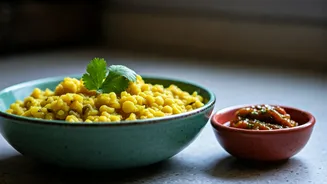
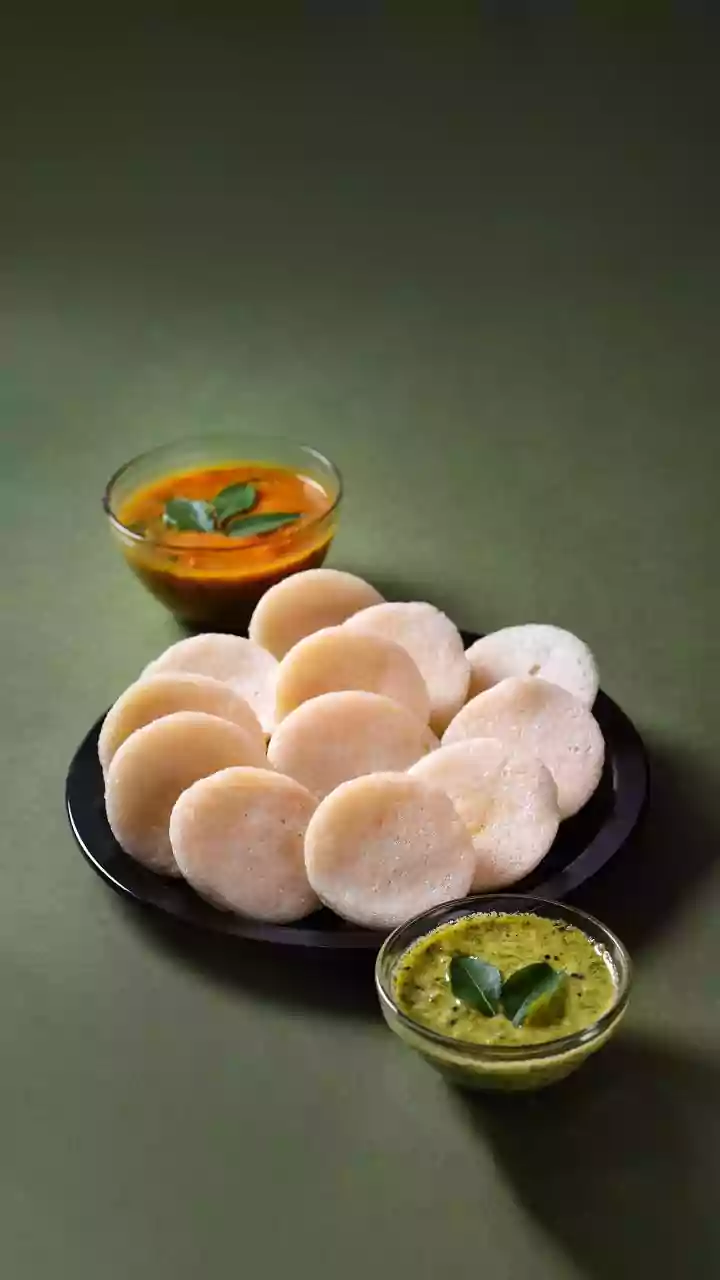
Bringing more dal and millets into your diet doesn't require a complete overhaul of your eating habits. It can start with simple, delicious swaps. Try mixing jowar or bajra flour into your regular chapati atta for a start. Replace rice with foxtail or barnyard millet in dishes like pulao, khichdi, or even a refreshing salad. Millet flours can be used to make everything from dosa and pancakes to cakes and cookies, offering a healthier twist on your favourite treats. The key is to see them not as a restrictive health food, but as versatile and flavourful ingredients that can enrich the meals you already love. From millet porridge for breakfast to a comforting bowl of dal with millet roti for dinner, the possibilities are endless and exciting.