




The Seeds of an Industry
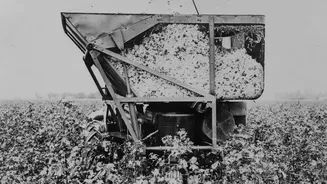
The story of Coimbatore's textile dominance begins with its geography. The region's black cotton soil, moderate climate, and the waters of the Noyyal River created the perfect conditions for cultivating cotton. For centuries, cotton farming was a way
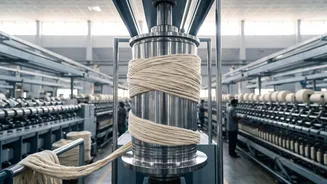
of life, and this abundance of raw material naturally attracted commercial interest. The real shift began in the late 19th century under British influence. The first major mechanised mill, the Coimbatore Spinning and Weaving Mills, was established in 1888 by Sir Robert Stanes. This pivotal event marked the dawn of industrialisation in the city, transitioning it from a network of villages known for agriculture to a budding industrial centre. Early mills focused on ginning (cleaning) and pressing cotton, but the establishment of spinning mills set the stage for a massive transformation.
The 'Manchester of South India'
The nickname 'Manchester of South India' isn't just a catchy phrase; it's a direct comparison to Manchester, England, the heart of Britain's Industrial Revolution, which was also built on the textile trade. Coimbatore earned this title for several key reasons. The widespread availability of high-quality cotton gave it a significant advantage. This was supercharged in the 1930s with the arrival of hydroelectric power from the Pykara project, which provided reliable and cheap energy for the mills to operate on a massive scale. A wave of local entrepreneurial spirit also swept through the region, with families like the PSGs and leaders like G. Kuppuswamy Naidu establishing mills that would become legendary. This combination of abundant raw material, power, and visionary local industrialists created a boom, and by the mid-20th century, Coimbatore had firmly established itself as India’s premier textile hub.
From Yarn to Woven Wonders
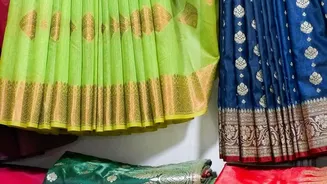
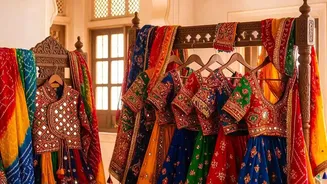
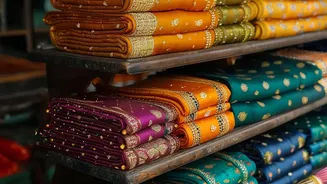
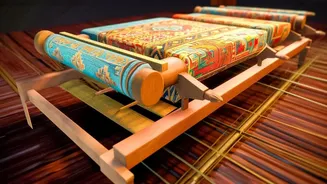
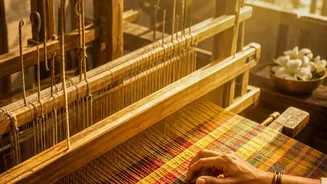
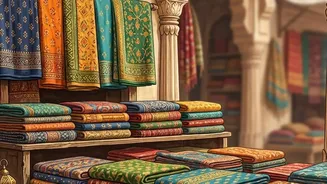
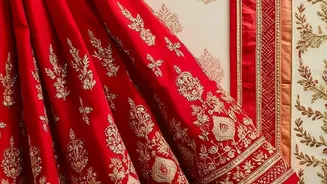
While spinning yarn was Coimbatore's initial strength, the industry soon evolved. The ecosystem grew to include weaving, processing, and garment manufacturing. This vertical integration meant the city was not just producing raw materials but also finished goods. Alongside the large-scale mills, a vibrant handloom sector thrived in surrounding villages. This is where the famous Kovai Cora Cotton sarees are born. A unique blend of silk and cotton yarns, these sarees are known for their lightweight feel, intricate borders, and comfortable texture, making them ideal for the South Indian climate. Recognizing their unique cultural and economic value, Kovai Cora Cotton was granted a Geographical Indication (GI) tag by the Government of India in 2014-15, protecting its authenticity and heritage.
An Industry That Built a City
The textile industry's influence extends far beyond factory walls; it's woven into the very fabric of Coimbatore's identity. The demand for textile machinery spurred the growth of a world-class engineering and manufacturing sector, for which the city is also renowned today. This industrial boom created immense employment, drawing people from across the region and turning Coimbatore into a major urban centre. The economic prosperity fueled the development of educational institutions and other infrastructure. Even today, with a diversified economy that includes IT and manufacturing, textiles remain a cornerstone of the city's culture and commerce, with thousands of small, medium, and large enterprises continuing the legacy.
Weaving the Future
The global textile landscape is constantly changing, and Coimbatore's industry faces modern challenges like intense global competition and fluctuating yarn prices. However, the sector is also adapting. There is a growing focus on technology adoption, sustainability, and moving up the value chain into technical textiles and high-fashion garments. Recent reports from late 2026 show signs of a revival, with garment exports on the rise and a strong pipeline of orders from international buyers. Industry bodies and the government are actively promoting modernization and innovation to ensure that Coimbatore's textile heritage not only survives but thrives for generations to come.