


The Reality of the Urban Space Crunch
The primary driver for this trend is simple: space, or the lack of it. In major Indian metropolitan areas, average apartment sizes have been shrinking while rents continue to climb. For young professionals and couples setting up their first homes, maximising
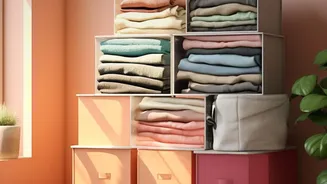
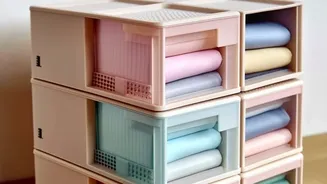
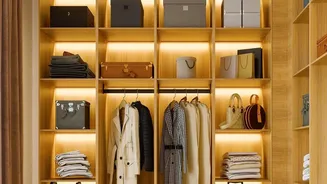
every square foot is not just a design choice, it's a necessity. Traditional, bulky furniture can overwhelm a compact 1BHK. Stackable units, whether they are cube shelves, modular boxes, or freestanding components, allow renters to build vertically. This strategy uses the often-neglected wall space, drawing the eye upward and freeing up valuable floor area, which can make a small home feel significantly larger and less cluttered.
Flexibility for a Life in Motion
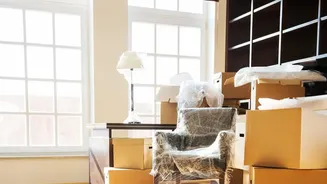
The life of a young urban renter is often transient. Career opportunities, further education, or simply the desire for a change of scenery can lead to frequent moves. Heavy, single-piece furniture is a liability in this context—difficult to move, and often ill-fitting for the next apartment's layout. Stackable and modular storage offers the ultimate flexibility. These pieces can be disassembled, easily transported, and reconfigured to fit a new space. A vertical tower in one apartment can become a low-slung media unit in another. This adaptability makes it a financially sound investment for renters who know their current address isn't their last.
When Style Meets Functionality
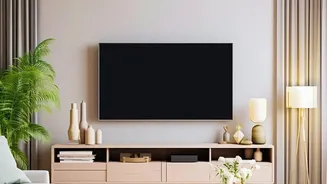
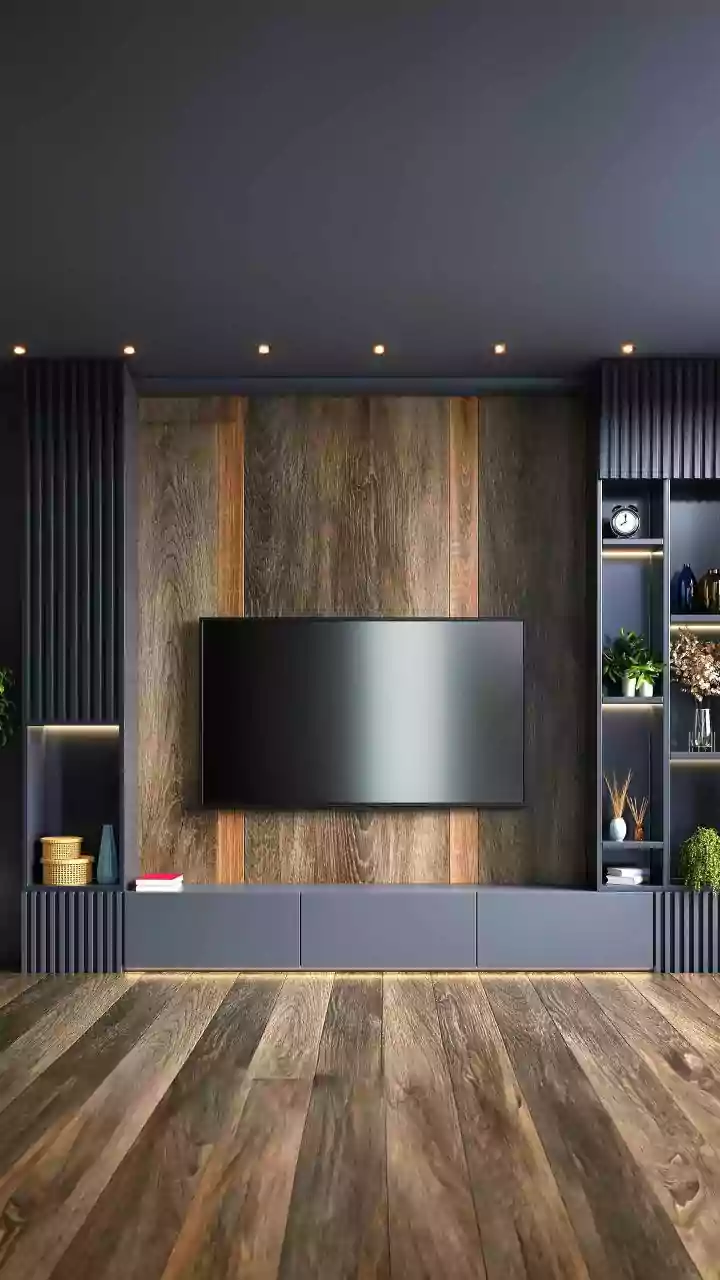
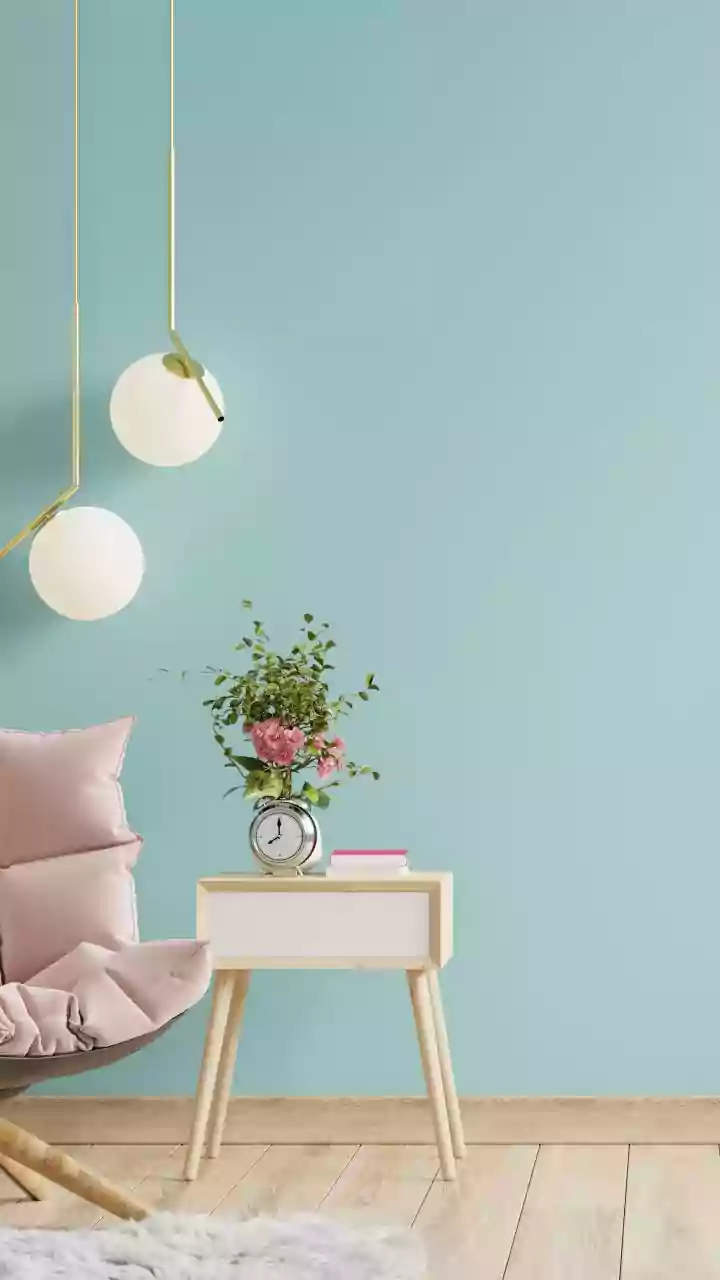
This trend isn't purely utilitarian. Modern stackable systems are designed with a keen eye for aesthetics, tapping directly into the minimalist and contemporary design styles popular among young Indians. With clean lines, neutral palettes, and a focus on uncluttered surfaces, these storage units align perfectly with the looks popularised on social media platforms like Instagram and Pinterest. They provide an organised, visually soothing backdrop that allows for personal expression through curated displays of books, plants, and decorative objects. This fusion of function and form means renters don't have to choose between a practical home and a stylish one.
The Work-From-Home Catalyst
The rise of remote and hybrid work models has permanently altered our relationship with our homes. A corner of the living room or bedroom must now function as a productive workspace. This has fueled demand for versatile furniture that can help delineate work and living zones within a small area. Stackable shelving is perfect for creating a mini home office, holding laptops, files, and stationery. Crucially, because these units are modular, the 'office' can be neatly contained. A rolling cart with office supplies can be tucked away after hours, helping to restore a sense of work-life balance in a compact environment.
An Affordable and Conscious Choice
Furnishing an apartment from scratch is expensive. Stackable storage offers a budget-friendly, phased approach. A renter can start with a few basic units and add more as their needs and budget grow. This scalability is far more accessible than saving up for a large, expensive cupboard. Furthermore, this trend aligns with a growing sense of environmental and consumer consciousness. Many brands offer modular furniture made from sustainable materials like bamboo or recycled wood. The idea of buying fewer, more adaptable pieces that can last through several moves and life stages appeals to a generation that is increasingly wary of disposable, fast-furniture culture.