






The Three Rhythms of Indian Farming
Indian agriculture operates on a calendar defined by three main seasons: Kharif, Rabi, and Zaid. This cycle is not just a tradition; it's a strategic response to the country's diverse and powerful climate patterns, primarily the southwest monsoon. The
Kharif season is aligned with the monsoon, beginning in June and ending in October. Following that is the Rabi, or winter season, from roughly October to April. The trio is completed by the Zaid season, a short summer window between March and June. Together, these seasons ensure near-continuous agricultural activity, making efficient use of land and weather.
Kharif: The Great Monsoon Gamble
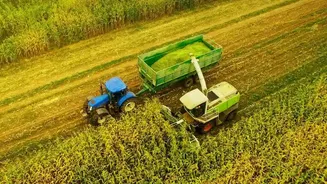
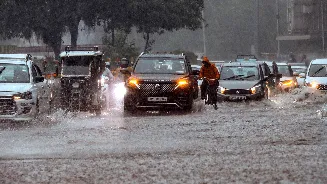
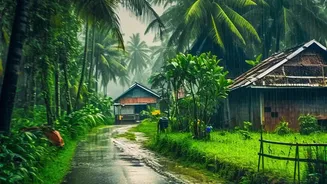
The Kharif season is often called the monsoon season for a simple reason: it is almost entirely dependent on the southwest monsoon, which provides over 70% of India's annual rainfall. Sowing for Kharif crops begins with the first rains in June and July, when high temperatures and humidity create ideal growing conditions. These crops, which require significant water, are harvested between September and October. Staple crops like rice, maize, cotton, soybean, and jowar are hallmarks of the Kharif season. Given that about half of India's cropland is rain-fed, the performance of the monsoon is a make-or-break factor each year, directly influencing the livelihoods of millions of farmers and the nation's food supply.
Rabi: The Cooler, Drier Winter Crop
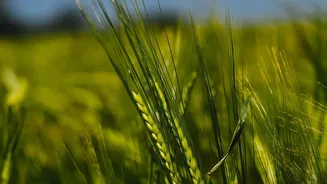
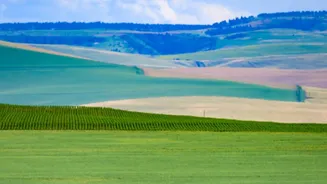
Once the monsoon retreats, the Rabi season begins. Sowing takes place in the cooler, drier months of October and November, with the harvest occurring in the spring, from March to April. Unlike their Kharif counterparts, Rabi crops require less water and thrive in cooler temperatures. The success of this season often depends on residual moisture in the soil from the monsoon or on irrigation. Wheat is the most prominent Rabi crop, along with barley, gram, peas, and mustard. The Rabi harvest is crucial for ensuring national food security, particularly for staple grains like wheat that form a major part of the Indian diet.
Zaid: The Swift Summer Season
Fitting neatly between the Rabi harvest and the Kharif sowing is the Zaid season. This short, hot summer period from March to June is used to cultivate quick-maturing crops. Relying almost entirely on irrigation, the Zaid season isn't as widespread as Kharif or Rabi, but it provides a vital supplementary income for farmers. This is the season for crops like watermelon, muskmelon, cucumber, and certain vegetables and pulses. It's a clever use of the agricultural calendar, ensuring that land doesn't lie fallow and that fresh produce reaches markets during the summer months.
Focus on Kharif 2026: An Uneven Start
As of early August 2026, the Kharif season is at a critical juncture. The season began under a cloud of uncertainty, with the India Meteorological Department (IMD) forecasting below-normal monsoon rainfall for the year, linked to developing El Niño conditions. Sowing operations, which are heavily dependent on the timing and spread of rainfall in June and July, have been uneven. While July saw some improvement in rainfall, narrowing an early deficit, the overall progress of the monsoon remains a key concern for farmers and policymakers. The performance of the monsoon over the next few weeks will be decisive for the final output of essential crops like rice, pulses, and oilseeds, impacting everything from rural incomes to food inflation.
Why Kharif's Fortunes Matter to Everyone
The success or failure of the Kharif season reverberates far beyond the fields. It is the primary food grain production season, and a poor harvest can threaten food security and drive up prices for consumers. The season is a massive source of employment in rural India, and crop outcomes directly influence the purchasing power of a huge segment of the population. Furthermore, the agricultural sector is a significant contributor to India's GDP, with Kharif crops forming its backbone. A strong Kharif season boosts the economy, while a weak one can have widespread negative effects, impacting everything from raw material supplies for industries to overall economic growth.