


The Modern Myth of 'Healthy'
The wellness world is full of buzzwords. We’re encouraged to swap our rotis for quinoa, our dals for kale salads, and our comforting home-cooked meals for expensive, unfamiliar ingredients. While these foods have their merits, this narrative often implies
that traditional Indian cuisine is somehow lacking or inherently unhealthy. This couldn't be further from the truth. The problem isn't our food culture; it's how modern lifestyles have altered it. We’ve moved away from balanced, home-cooked meals towards processed foods, excessive oil, and larger-than-necessary portions. The solution isn't to abandon our culinary heritage, but to return to its founding principles.
The Timeless Wisdom of the Thali
The traditional Indian thali is a perfect example of a balanced meal, long before nutritionists started drawing plates with food groups. A typical thali isn't just a random assortment of dishes; it's a carefully constructed system designed to deliver a complete nutritional profile. It includes carbohydrates from rice or roti for energy; plant-based proteins from dal or legumes for muscle repair; vitamins and minerals from seasonal vegetables (sabzi); and healthy fats from ghee or nuts. Accompaniments like curd (dahi) provide probiotics for gut health, while pickles and chutneys aid digestion. This approach ensures you get a wide array of nutrients and flavours in one sitting, promoting satiety and preventing overeating through built-in portion control.
Power Pairings: The Science of Indian Food Combinations
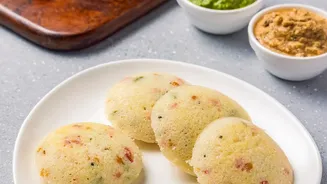
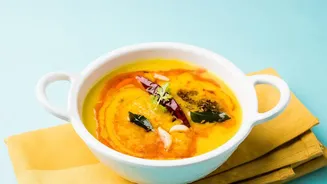
Many of our most beloved comfort foods are also nutritional powerhouses due to a concept called protein complementation. Most plant-based proteins are 'incomplete', meaning they lack one or more essential amino acids our bodies can't produce. However, Indian cuisine instinctively pairs foods that complete each other. For instance, lentils (dal) are high in the amino acid lysine but low in methionine. Grains like rice and wheat are the opposite. When you eat dal with rice or roti, you are consuming a complete protein, just as effective as one from an animal source. This principle is the silent genius behind classics like rajma-chawal, idli-sambar, and khichdi. These aren't just tasty pairings; they are a sophisticated and time-tested nutritional strategy.
More Than Just Food: The Role of Spices and Cooking
A discussion about Indian food is incomplete without mentioning spices. Far from being just flavouring agents, spices like turmeric, ginger, cumin, and coriander are loaded with anti-inflammatory and antioxidant properties that support everything from digestion to immunity. Turmeric's active compound, curcumin, is a potent anti-inflammatory, while ginger and cumin are known to aid digestion. Furthermore, traditional cooking methods like steaming, pressure cooking, and light sautéing are designed to preserve the nutrients in the food, unlike deep frying which can add unhealthy fats. The philosophy has always been to make food not only delicious but also medicinal.
Reclaiming Balance in Your Modern Kitchen
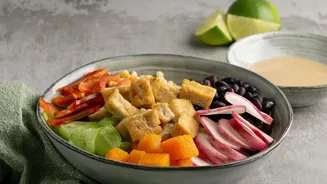
You don't need to prepare an elaborate thali every day to benefit from this ancient wisdom. The key is to embrace the principle of balance. Instead of focusing on exclusion, focus on inclusion. Ensure your plate has a source of protein (dal, legumes, paneer), a variety of vegetables, and a whole grain (roti, brown rice, or millets). Pay attention to portion sizes; a traditional thali uses small bowls (katoris) for a reason. By making small adjustments—reducing oil, favouring seasonal produce, and consciously combining food groups—you can align your modern meals with the proven, balanced, and deeply satisfying traditions of Indian cooking.