


The Search for Silence and Authenticity
For years, treks like the Markha Valley were the go-to challenge for anyone heading to Ladakh. But with popularity comes crowds, commercialisation, and a feeling that you’re following a well-trodden path rather than forging your own. Today’s young adventure
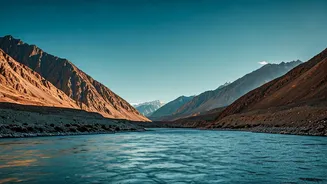
clubs are driven by a different ethos. They are actively seeking solitude and a genuine connection with the landscape. It’s less about ticking off a famous name and more about experiencing the profound silence of a remote valley or sharing a cup of butter tea in a village that sees only a handful of visitors each year. This shift is a direct response to the over-tourism that has diluted the sense of adventure in more accessible areas. The new goal isn’t just to see Ladakh, but to feel it.
The Zanskar Dream: Lamayuru to Padum
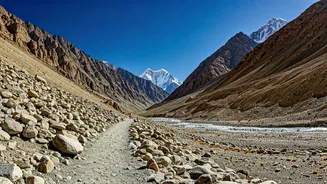
When you hear seasoned trekkers talk about 'real' Ladakh, they're often talking about Zanskar. This remote, semi-arid kingdom within Ladakh is notoriously difficult to access, which is precisely its appeal. The trek from Lamayuru to Padum is a gruelling, multi-week odyssey that crosses several high passes, including the formidable Shingo La. It’s a journey back in time, traversing a landscape dotted with ancient 'gompas' (monasteries) that cling precariously to cliffs. Trekkers navigate deep gorges, wild rivers, and vast, empty plains. This isn't for the faint of heart; it requires serious acclimatisation and physical endurance. The reward? Unparalleled night skies, encounters with Zanskari culture in its purest form, and the immense satisfaction of completing one of the Himalaya's classic long-distance routes.
Nubra's Other Side: The Shyok Valley Trek
Most tourists in Nubra Valley stick to the Diskit-Hunder circuit, famous for its sand dunes and double-humped camels. But adventure clubs are looking east, towards the Shyok River. Treks in this area, like the one from Hunder to Turtuk, follow the river through dramatic gorges and offer a completely different perspective on the region. The route often involves multiple river crossings—sometimes exhilarating, sometimes nerve-wracking—and winds through villages that were, until recently, closed to outsiders. The terrain is a stunning mix of stark, rocky canyons and lush green oases around villages like Turtuk, which has a unique Balti culture distinct from the rest of Ladakh. This trek is a perfect example of an off-beat adventure hiding in plain sight, just a stone's throw from a major tourist highway.
The Rumtse to Tso Moriri Challenge
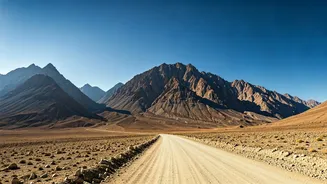
While most visitors drive to the breathtaking Tso Moriri lake, the truly adventurous trek there. Starting from Rumtse on the Manali-Leh highway, this high-altitude trek is a demanding journey across the Changthang plateau, a region known as the 'Land of the Nomads'. The average altitude of the trek hovers above 4,500 metres, testing lungs and legs alike. Trekkers cross several passes, including the Kyamayuri La and Mandachan La, and are rewarded with sightings of rare wildlife like the Kyang (Tibetan wild ass) and black-necked cranes. The landscape is vast, stark, and almost Martian, offering a sense of scale and isolation that few other treks can match. Arriving at the deep blue expanse of Tso Moriri on foot, after days of traversing this high-altitude desert, is an experience that no car ride can replicate.
The New Trekking Ethos
This obsession with off-beat routes is more than just travel snobbery; it’s part of a larger movement towards responsible and mindful exploration. These clubs and their members are often strict adherents to 'Leave No Trace' principles. They prioritise small-group travel to minimise environmental impact and often favour homestays over formal hotels to ensure that tourist money directly benefits local communities. The goal is to be a guest, not a conqueror. It’s about understanding that these fragile ecosystems and ancient cultures are a privilege to witness, and with that privilege comes the responsibility to protect them. This mindset is shaping the future of adventure travel in India, making it more sustainable, respectful, and ultimately, more rewarding.