


The Allure of a Green Monsoon
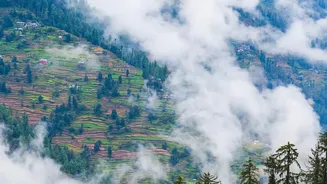
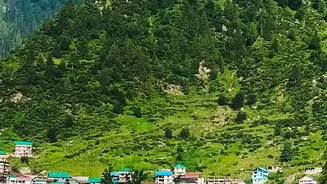
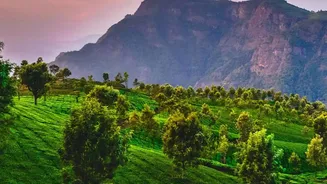
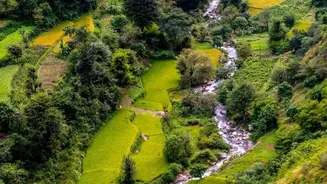
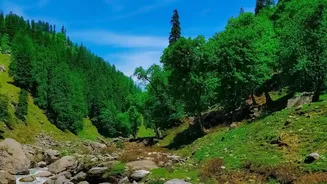
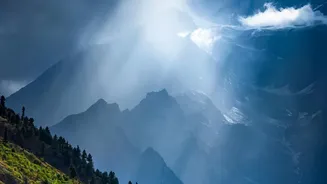
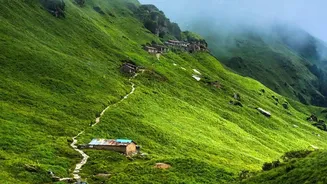
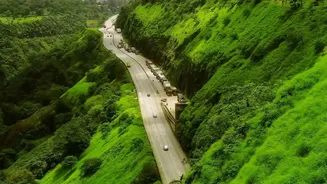
Trading crowded summer hotspots for the quiet rhythm of the rains offers a different kind of magic. July and August see the hills draped in countless shades of green, waterfalls swell to their full glory, and a cool, cinematic fog often blankets the landscape.
It's a season for slow travel, where the goal isn't to tick off a checklist but to unwind on a balcony with a book, watching clouds drift through the deodar forests. Destinations like Tirthan Valley and Shoja, less commercialised than their famous counterparts, become even more serene, appealing to those looking to escape the rush and reconnect with nature.
Tirthan Valley: Riverside Serenity
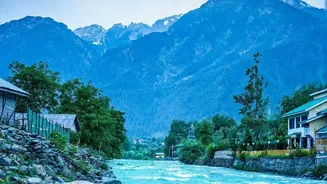
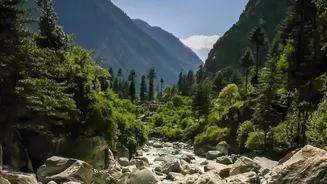
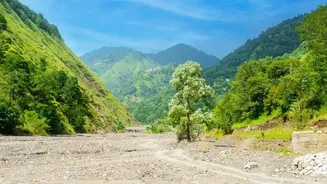
Named after the pristine Tirthan River that flows through it, this valley is the gateway to the Great Himalayan National Park, a UNESCO World Heritage Site. During the monsoon, the river runs full and the forests are intensely vibrant. While heavy rains can make some core zone treks in the national park inaccessible, the valley's ecozone offers plenty to explore. The main allure is its tranquil atmosphere, with charming villages like Gushaini and Jibhi offering cozy homestays and riverside cafes perfect for a rainy afternoon. It's a place for nature walks, trout angling in calmer waters, and simply listening to the sound of the river.
Monsoon Activities in Tirthan
Even with intermittent showers, Tirthan offers gentle adventures. A popular short hike leads to the Chhoie Waterfall, which is particularly impressive during the rains. The nearby village of Jibhi has its own picturesque waterfall hidden within a dense forest, easily accessible via a short walk. For a glimpse into local culture, exploring traditional Himachali tower temples like Chehni Kothi offers a rewarding experience, though the trek should be undertaken on a clear day. The key is flexibility; short walks between showers are often more enjoyable than long, planned-out treks.
Shoja: A Hamlet in the Clouds
Sitting at a higher altitude of about 2,700 metres, Shoja is a tiny, quiet village just a short drive up from Jibhi. In the monsoon, it becomes one of Himachal's most atmospheric destinations. The defining feature of Shoja in the rains is the persistent, rolling mist that envelops the dense deodar forests, giving it a dreamlike quality. It’s quieter and less activity-focused than Jibhi, making it the ideal retreat for those who want to do nothing but relax, read, and enjoy the silence from a wooden balcony. Its appeal lies in its simplicity and the slow rhythm of mountain life, away from any semblance of a crowd.
Exploring the Mist of Shoja
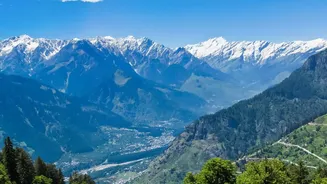
Shoja serves as the base for the drive to Jalori Pass, located at over 10,000 feet. While the pass offers panoramic Himalayan views on clear days, the misty monsoon drive through the forest is an experience in itself. From the pass, treks lead to Serolsar Lake and Raghupur Fort. However, these trails can become slippery and leech-prone during heavy monsoon, so they are best attempted during a dry spell and with proper footwear. Often, the best activity in Shoja is simply walking the quiet roads around the village as clouds pass by, or finding a cozy cafe to wait out a downpour.
Essential Monsoon Travel Tips
Travelling to the hills during the monsoon requires caution. Always check the weather forecast and road conditions before and during your trip, as landslides can cause delays, particularly on the Mandi-Aut highway stretch. Pack waterproof jackets, quick-drying clothes, and footwear with excellent grip. It's wise to book accommodations in advance, preferably on higher ground rather than right on the riverbank, and ensure they have power backup. Carry essential medicines and a power bank, and allow for extra travel time in your itinerary. Respecting the weather and being prepared are key to a safe and enjoyable trip.