




Decoding the Label: SPF and Broad-Spectrum
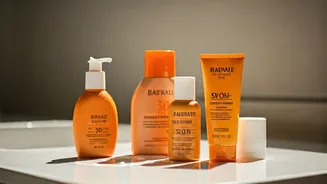
First, let's understand the basics. SPF, or Sun Protection Factor, primarily measures how well a product protects you from UVB rays—the kind that cause sunburn. Dermatologists recommend using an SPF of at least 30, which blocks about 97% of UVB rays.
A higher SPF offers slightly more protection, but no sunscreen blocks 100% of rays. More importantly, look for the words "broad-spectrum" on the label. This is a non-negotiable feature, as it means the product also protects against UVA rays. UVA rays penetrate the skin more deeply, contributing to premature aging, fine lines, and skin cancer. Using a broad-spectrum sunscreen ensures you are shielded from both types of damaging radiation.
Mineral vs. Chemical: Which Sunscreen Is for You?
Sunscreens fall into two main categories: mineral and chemical. Mineral sunscreens, also called physical sunscreens, use ingredients like zinc oxide and titanium dioxide. They work by sitting on top of the skin and creating a physical barrier that reflects UV rays. They offer immediate protection and are often recommended for sensitive, acne-prone, or children's skin because they are less likely to cause irritation. The main drawback can be a thicker texture that may leave a white cast, though modern formulas have improved significantly. Chemical sunscreens work by absorbing UV rays, converting them into heat, and releasing them from the skin. They tend to be more lightweight, transparent, and easier to apply, making them a popular choice for daily use and under makeup. They often require about 15-20 minutes to become effective after application. Ultimately, the best sunscreen is the one you will use consistently, so the choice comes down to personal preference and skin type.
The Golden Rules of Application
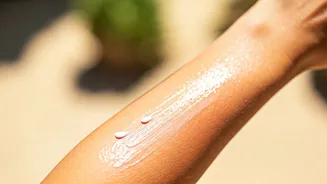
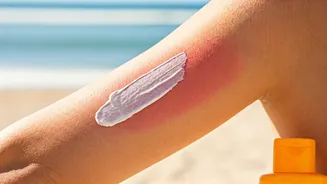
How you apply sunscreen is just as important as the product you choose. The most common mistake is not using enough. To get the level of protection advertised on the bottle, you need to apply a generous amount. For the face and neck, a helpful guideline is the "two-finger rule": squeeze a line of sunscreen along the length of your index and middle fingers. For the entire body, aim for about one ounce, which is roughly the amount that would fill a shot glass. Apply it at least 15 minutes before going outdoors. Remember to cover often-missed spots like your ears, the back of your neck, your hairline, and the tops of your feet.
Reapplication Is Non-Negotiable
A single morning application is not enough for all-day protection. Sunscreen breaks down and wears off over time. The standard rule is to reapply at least every two hours when outdoors. If you are swimming or sweating heavily, you need to reapply more frequently—typically every 40 to 80 minutes, depending on the product's water resistance. Even if you're indoors but sitting near a window, you should still reapply, as UVA rays can penetrate glass. If you are wearing makeup, consider using a powder or spray sunscreen for easier reapplication throughout the day.
Fixing Common Sunscreen Mistakes
Many people unknowingly reduce their sun protection through simple mistakes. One major error is relying solely on the SPF in makeup. While a good bonus, you would need to apply a very thick layer of foundation to get the stated SPF, which most people don't do. Always start with a dedicated sunscreen as your base. Another mistake is thinking sunscreen is only for sunny days; up to 80% of UV rays can penetrate clouds. Finally, don't forget to check the expiration date on your bottle. Expired sunscreen loses its effectiveness and won't provide adequate protection. By avoiding these common pitfalls, you ensure your routine is truly working for you.