








The Sound of a New Silence
The first thing most couples notice is the quiet. What was once a bustling hub of activity is now calm, and conversations that used to be about the kids' schedules can feel stalled. It's normal to feel a mix of pride, sadness, and even awkwardness. For
nearly two decades or more, your shared identity has been 'parents'. The shift from co-parents back to partners can be disorienting. Many couples find that issues they set aside 'for the kids' may resurface, and the person across the dinner table feels like a stranger you need to get to know again. Acknowledging these feelings without judgment is the first step. This transition is a significant life event, and it’s okay for it to feel strange before it feels good.
From Parents to Partners Again
For years, your relationship likely operated as an efficient team focused on a shared project: raising children. When that project ends, the structure disappears. Suddenly, you have to transition from being managers of a household to being companions and friends again. This requires intentional effort. Start by getting curious about who your partner is today. You've both changed since you first got together. Ask questions about their dreams, fears, and new interests. What ambitions did they put on hold? What are they excited about for this next phase of life? This isn't about reminiscing about who you were, but about becoming a student of the person your spouse is now.
Creating New Rituals of Connection
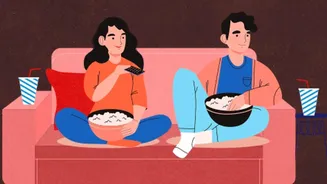
Your family life was filled with rituals, from weekend sports to Friday movie nights. Now, it's time to create new ones for just the two of you. These don't need to be grand gestures. Simple, consistent actions can rebuild intimacy. Start a habit of a daily walk together, enjoy coffee on the patio, or schedule a non-negotiable weekly date night. The goal is to make 'us' time a priority again. Many couples find that after years of kid-focused conversations, they need to relearn how to talk. Try asking open-ended questions like, 'How was your heart today?' instead of just 'How was your day?' to invite deeper sharing. Turn off the TV, put phones in a basket, and create technology-free zones to focus entirely on each other.
Rediscover Fun and Shared Interests
With the responsibilities of daily parenting lifted, you have more freedom to explore. This is the perfect time to find new hobbies or rediscover old ones you can enjoy together. Consider taking a class—be it cooking, dancing, or pottery. Plan a weekend getaway to a place you've always wanted to visit. You could also tackle a home project, join a sports league, or volunteer for a cause you both care about. The activity itself is less important than the act of sharing a new experience and creating fresh memories. Even simple things like visiting a local farmers' market, going to a museum, or recreating your first date can reignite the playful spark you once had.
Navigating the Bumps in the Road
The transition isn't always smooth, and it's common for partners to adjust at different paces. One person might be grappling with a sense of loss or identity crisis, while the other is eager to start new adventures. This can lead to tension if not communicated openly. It’s also when financial planning for retirement can create conflict, as you both confront your visions for the future. If you find yourselves stuck in old resentments or struggling to communicate, seeking professional help from a couples therapist can be a powerful step. It's not a sign of failure, but rather an investment in making the next chapter of your marriage a strong and happy one.