



Onam Eve: The Buzz of Uthradam
The weekend begins on Uthradam, or 'First Onam', which falls on Tuesday, August 25th in 2026. This is the day before the main event, Thiruvonam, and the atmosphere is electric with anticipation. It’s believed that King Mahabali arrives in Kerala on this
day to visit his people. The defining feature of Uthradam is the 'Uthradappachil', a term for the frenzied, last-minute dash to the markets. Locals throng vegetable stalls and grocery stores to gather the freshest produce for the grand feast, the Onam sadhya. In a local-focused experience, this isn't about tourist shopping; it’s about joining the lively chaos, smelling the fresh plantains and yams, and feeling the collective energy of a state preparing for its most cherished celebration. The evening is spent cleaning the house and making final preparations, ensuring everything is perfect for the king's arrival.
Thiruvonam Morning: Flowers and Family
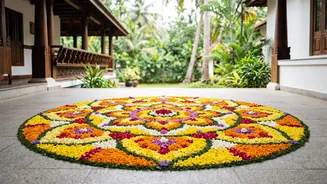
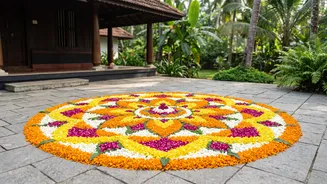
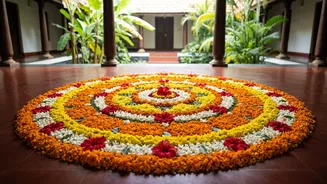
Thiruvonam, the main day of Onam on Wednesday, August 26th, starts early. Families wake before dawn, and the first order of business is the Pookalam. This intricate floral carpet, laid at the entrance of the home, is given its final, most elaborate design to welcome King Mahabali. Unlike the large-scale competitions, a local experience involves watching or participating as a family creates this piece of art together, using colourful petals sourced from their own garden or the local market. Afterwards, families don their 'Onakkodi' (new clothes), typically the traditional Kasavu sari or mundu, and might visit a local temple for morning prayers. The focus isn't on grand ceremony but on quiet, shared rituals that have been passed down through generations, connecting family and community in a simple act of devotion and celebration.
The Midday Sadhya: A Feast of Togetherness
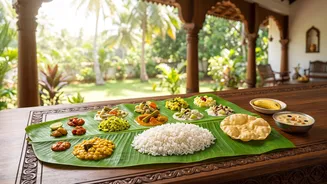
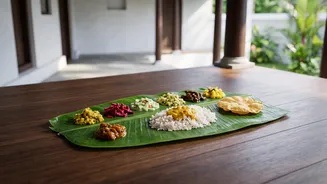
The absolute pinnacle of Thiruvonam is the Onam sadhya, a magnificent vegetarian feast served on a banana leaf. While many restaurants offer a sadhya, the most authentic experience is in a home, where it becomes a true labour of love. A homestyle sadhya can feature over 20 dishes, from tangy pickles and crisp banana chips to an array of vegetable preparations like avial and thoran, all centered around a mound of rice. The meal is a culinary journey, with each dish served in a specific order. Sharing this meal with a family, sitting on the floor, and eating with your hands is about more than just food; it's a profound cultural immersion and an act of communal joy that brings everyone together.
An Afternoon of Play: The Onakkalikal
Once the grand meal settles, the afternoon is dedicated to 'Onakkalikal'—traditional Onam games. Forget watching staged performances; a local Onam means joining in. In village squares and family compounds, you’ll find spirited games of 'Vadamvali' (tug of war), which is a staple of community celebrations. Other games might include 'Kutukutu', a variation of Kabaddi, or less strenuous indoor games for older family members. You might also see women performing the graceful 'Thiruvathirakali' (also known as Kaikottikali), a circular clap dance. These games aren't for an audience; they are for the participants, fostering laughter, friendly competition, and a sense of belonging that defines the festive spirit.
Evening Calm and Community Connection
As the day winds down, the energy shifts from boisterous games to quieter connections. Evenings are for visiting neighbours and extended family, sharing sweets, and simply spending time together. In some parts of Kerala, especially in Thrissur and Palakkad, you might witness unique folk traditions like 'Kummattikali', where masked dancers in grassy costumes go from house to house. Or you may hear the songs of 'Onam Kali', where players dance in a circle. A local Onam weekend is less about a packed itinerary of events and more about embracing these spontaneous moments of culture. It's about seeing the festival not as a spectacle, but as the living, breathing heart of Kerala's community life.