





A Celebration of Good Over Evil
The Hemis Festival, or Hemis Tsechu, is one of the most significant and vibrant cultural events in the Himalayas. Held annually at the Hemis Gompa, Ladakh's largest and wealthiest monastery, the two-day festival commemorates the birth anniversary of Guru
Padmasambhava. Also known as the second Buddha, Guru Padmasambhava is revered for introducing Tantric Buddhism to Tibet and the surrounding Himalayan regions in the 8th century. The festival is a profound expression of faith, celebrating his life and mission: the triumph of good over evil. For locals, it's a time of spiritual renewal, social gathering, and deep-rooted tradition. For visitors, it offers an unparalleled window into the living heritage of Tibetan Buddhism.
The Sacred Cham Dances
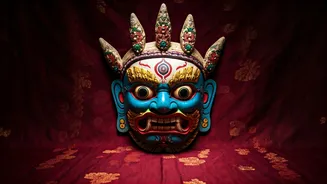
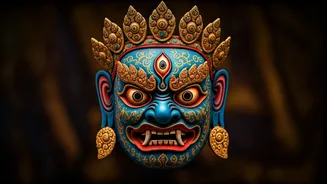
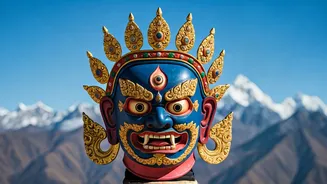
The centrepiece of the Hemis Festival is the 'Cham'—the sacred masked dances. These are not mere performances for entertainment; they are elaborate, meditative rituals. Performed by the monastery's lamas in the main courtyard, each dance tells a story from Buddhist mythology. The dancers don elaborate silk costumes and larger-than-life papier-mâché masks, transforming into deities, demons, and historical figures. The movements are slow, deliberate, and symbolic, choreographed to the haunting music of long horns (dungchen), cymbals, and drums. The dances serve as a form of moral instruction, illustrating the destruction of negative forces and reinforcing the core tenets of Buddhism for the gathered audience.
Symbolism Behind the Masks
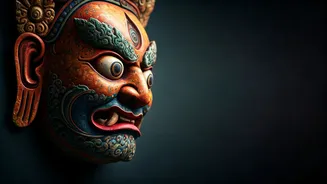
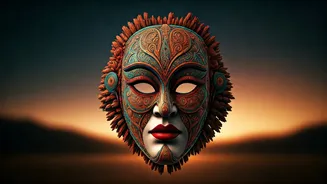
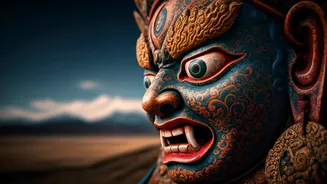
Each mask worn during the Cham is a masterpiece of spiritual art, representing a specific character or divine energy. Fierce, wrathful-looking masks with bulging eyes and sharp fangs represent protector deities (Dharmapalas) who vanquish obstacles to enlightenment. More serene masks symbolise compassionate Bodhisattvas or historical masters like Padmasambhava himself. The colours, shapes, and expressions are all codified with deep meaning. For instance, the Dance of the Black Hat monks is a powerful purification ritual that cleanses the land and its people of negativity. Watching these figures come to life is a hypnotic experience, meant to help onlookers confront their own inner demons and recognise the nature of reality.
Planning Your Journey
The Hemis Festival is held on the 10th and 11th days of the fifth month of the Tibetan lunar calendar, which typically falls in June or July. This timing coincides with Ladakh's peak tourist season when the weather is pleasant and mountain passes are open. Hemis Monastery is located about 45 kilometres from Leh, the main town in Ladakh. You can easily hire a taxi from Leh for a day trip. Given the festival's popularity, it's crucial to book flights and accommodation in Leh well in advance. The festival draws large crowds, so arriving early in the morning is the best way to secure a good vantage point in the monastery courtyard.
Tips for a Respectful Visit
To make the most of your experience, acclimatisation is key. Spend at least two to three days in Leh (which is at 11,500 feet) before heading to Hemis to avoid altitude sickness. When at the monastery, remember that it is a sacred event. Dress modestly, covering your shoulders and knees. Photography is generally allowed, but avoid using flash and be mindful not to obstruct the view of others or interfere with the rituals. Always follow the instructions of the monks and organisers. The courtyard gets crowded and standing for long periods is common, so wear comfortable shoes, a hat, and sunscreen, and carry water to stay hydrated in the dry mountain air.