
The Ghost in the Machine
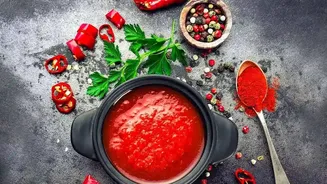
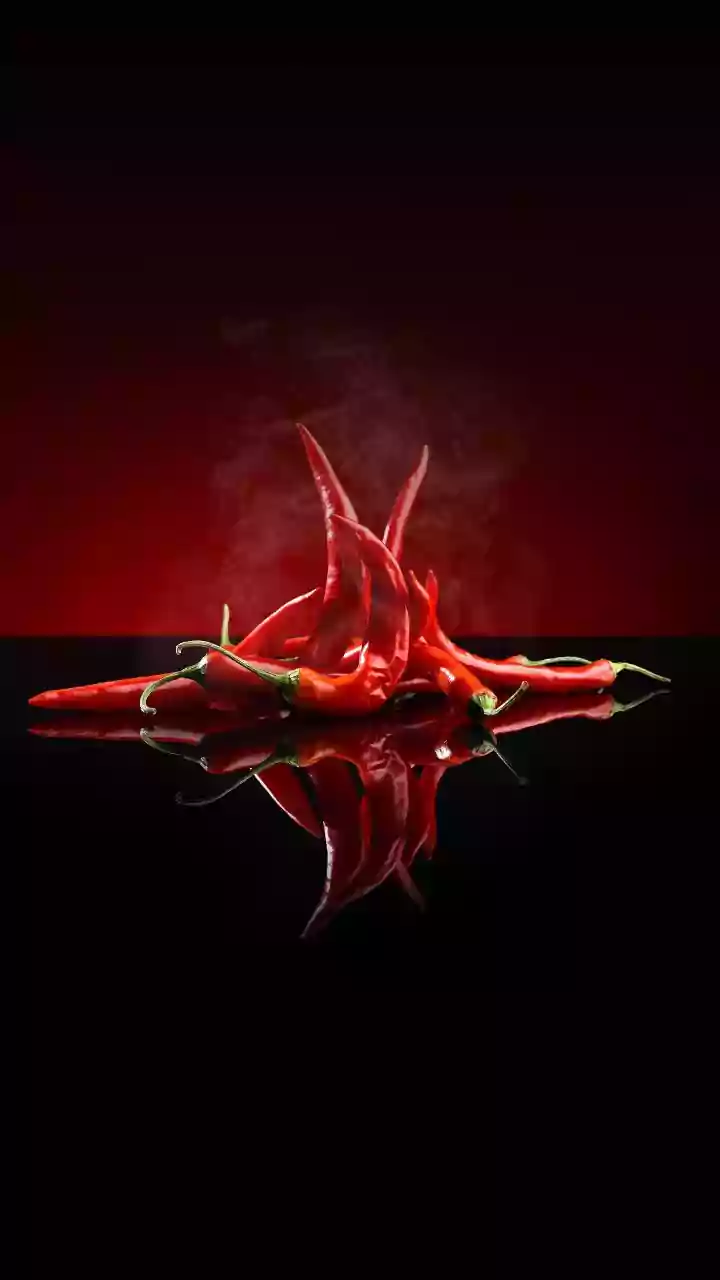
First, let's address its formidable reputation. The Bhut Jolokia, native to the Northeast Indian states of Assam, Nagaland, and Manipur, was the first chilli to officially cross the one million Scoville Heat Units (SHU) mark, earning it the title of the world's
hottest pepper in 2007. To put that in perspective, it can be up to 400 times hotter than Tabasco sauce. Known locally by various names including Raja Mircha (King Chilli) and Naga Chilli, this pepper is a cornerstone of regional cuisine, traditionally used in chutneys, pickles, and curries. For generations, it has been a household staple, respected for its potent heat and integral to daily meals. Its fame grew globally through viral internet challenges, but its culinary story is far more nuanced and flavorful.
More Than Just a Burn
Chefs and food enthusiasts are discovering what the people of the Northeast have known all along: Bhut Jolokia is not just about pain. Before the intense, lingering heat kicks in, the pepper offers a complex and surprisingly delicate flavour profile. Described as having sweet, fruity, and even slightly smoky notes, it adds a depth that one-dimensional heat simply can't match. This unique taste is what makes it so versatile and exciting for modern chefs. Different varieties, like the Chocolate or Peach ghost peppers, offer even more subtle variations, with earthy or citrus-forward notes that can elevate a dish from merely spicy to truly memorable. It's this balance of intense fire and sophisticated flavour that is driving its adoption in professional kitchens.
The Journey to the Urban Table
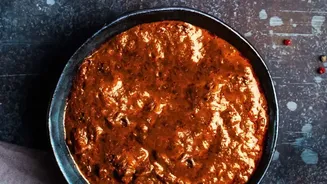
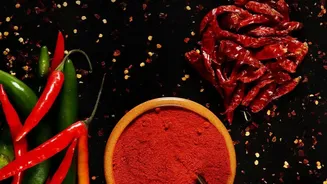
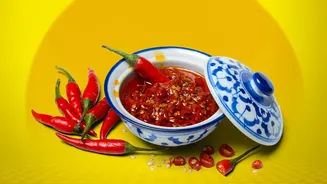
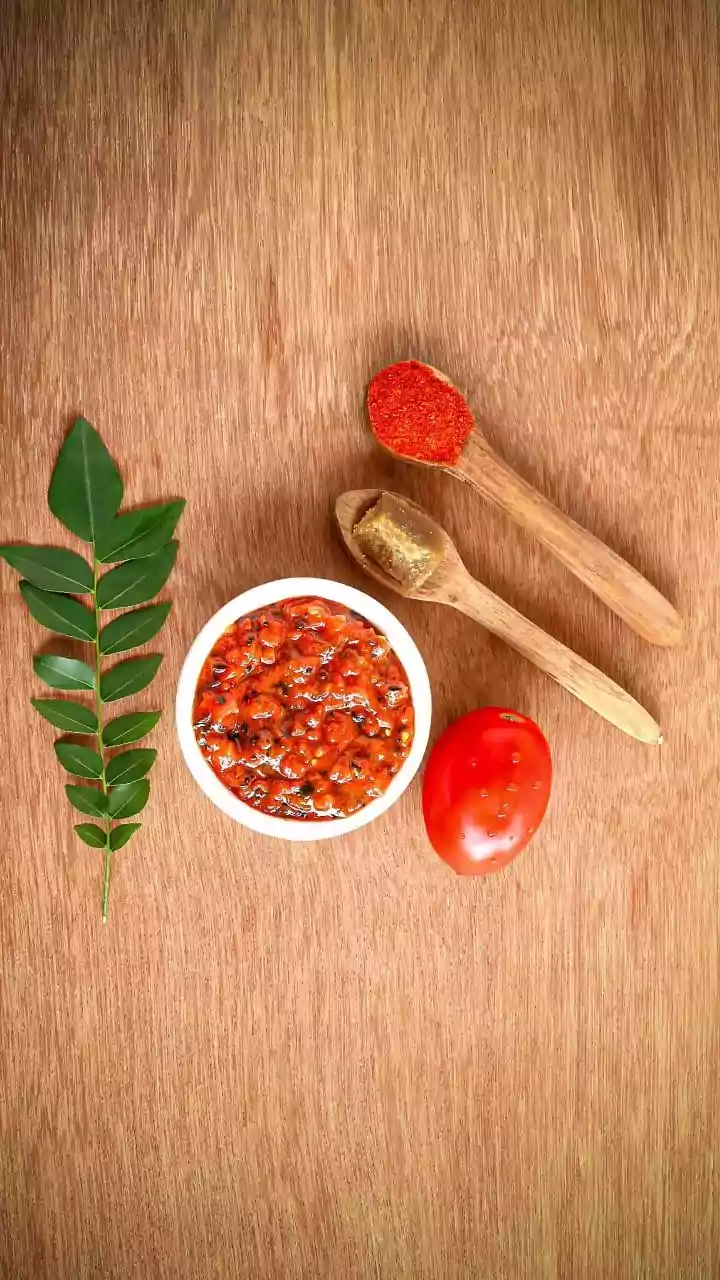
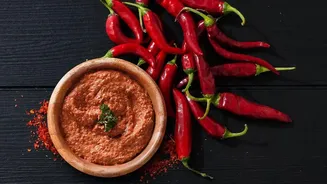
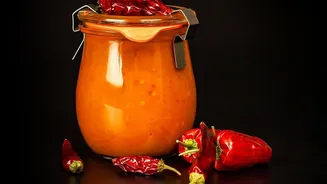
The transition of Bhut Jolokia from a regional specialty to a trendy urban ingredient is a story of cultural discovery. For years, its use was largely confined to the Northeast. However, a growing appreciation for authentic, regional Indian ingredients has opened the door for hyper-local products to find a national audience. Entrepreneurs and food producers from the region began packaging Bhut Jolokia into more accessible forms like pastes, powders, and pickles, making it easier for chefs in cities like Delhi, Mumbai, and Bengaluru to experiment with it. This shift is part of a larger culinary movement celebrating India's diverse gastronomic landscape, moving beyond mainstream curries to explore the unique flavours of every corner of the country.
Fusion Cooking with Fire
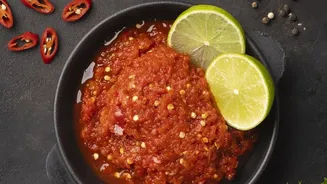
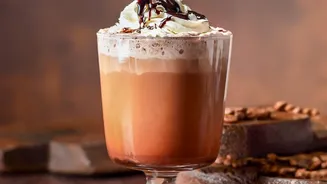
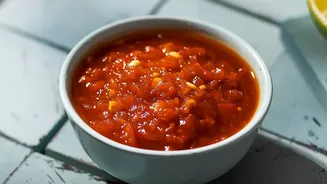
In urban fusion cafes, Bhut Jolokia is being used in endlessly creative ways. The potent heat means a little goes a long way, making a paste format ideal for controlling the spice level. You might find it swirled into a creamy dip served with sweet potato fries, adding a fiery kick to a plate of momos, or infused into a cocktail for a daring twist. Some cafes are incorporating it into marinades for grilled meats, using its smoky flavour to complement the char. Even desserts are not off-limits, with some experimental chefs adding a tiny amount to chocolate-based creations. This is not about creating eating challenges; it's about using the pepper’s unique character to build complex, exciting flavour profiles that surprise and delight diners.
A Taste of Cultural Pride
The rising popularity of Bhut Jolokia in urban centres is more than just a food trend; it's a bridge. For many from the Northeast, seeing this chilli on a menu in a metropolitan cafe is a moment of cultural recognition. It represents an ingredient that is deeply intertwined with their identity and sense of home. As diners across India become more adventurous, they are not just tasting a hot pepper; they are experiencing a piece of Northeast India’s rich culinary heritage. The success of Bhut Jolokia paste in fusion dining is a testament to the fact that authenticity and innovation can go hand-in-hand, creating a new, shared language of flavour that is distinctly modern and proudly Indian.