






Rethinking the Rest Day
For anyone with a consistent fitness routine, rest days are as crucial as the workouts themselves. This is the time when your muscles repair and grow stronger. But rest doesn't have to mean complete inactivity. While passive recovery—like napping or binge-watching
a series—has its place, active recovery involves low-intensity movement to aid the healing process. The main goal of active recovery is to increase blood flow and circulation. This helps deliver oxygen and nutrients to your muscles while flushing out metabolic waste, which can contribute to that familiar post-workout soreness. Think of it as a way to gently nudge your body’s natural repair systems into action, helping you feel less stiff and more prepared for your upcoming sessions.
What Counts as Gentle Movement?
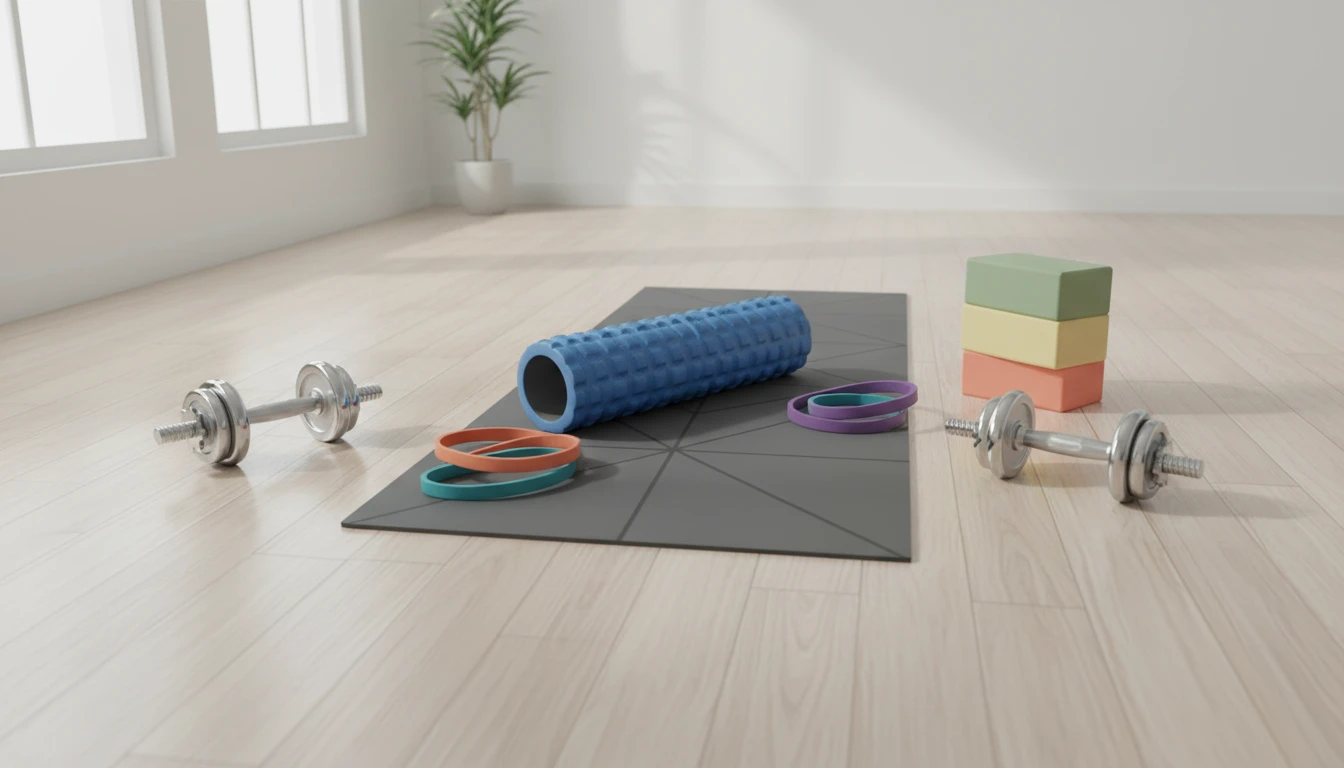
Gentle movement is any low-impact activity that doesn't put significant stress on your joints or muscles. A good rule of thumb is the 'talk test': you should be able to hold a full conversation without feeling out of breath. The intensity should be low enough that it feels restorative, not like another training session. Great examples of gentle movement for rest days include: - Leisurely walking - Gentle yoga or stretching - Light cycling on a flat surface - Swimming or water aerobics - Mobility exercises like arm circles and leg swings - Using a foam roller to release muscle tightness These activities keep the body limber and support the nervous system, helping it shift from a state of stress to one of ease.
How to Build Your Rest-Day Plan
Planning your rest day helps ensure you’re getting the benefits without accidentally overdoing it. A structured but flexible approach is often best. Instead of a rigid schedule, think in terms of a 'movement menu' you can choose from based on how you feel. A simple plan could involve combining three elements: light cardio, mobility work, and stretching. For instance, you might schedule a 20-30 minute walk in the morning, followed by 10 minutes of mobility exercises to lubricate the joints, and finish with 10 minutes of gentle stretching in the evening to ease any lingering tightness. This structure provides the benefits of active recovery without requiring a huge time commitment or adding mental stress.
Sample Active Recovery Sessions
To make planning even easier, here are a few simple templates you can adapt: The Morning Energiser (25 minutes): Start your day with movement to shake off stiffness. Begin with 5 minutes of dynamic stretches like arm circles and leg swings. Follow this with a brisk 15-minute walk. End with 5 minutes of static stretches, focusing on major muscle groups like your hamstrings and quads. The Midday Reset (15 minutes): Perfect for a break from work, especially if you sit at a desk. Do 10 minutes of gentle yoga or mobility flows, focusing on your hips and spine. Include poses like Cat-Cow and gentle twists. Finish with 5 minutes of mindful breathing to calm your nervous system. The Evening Wind-Down (20 minutes): This session is designed to promote relaxation and prepare you for a good night's sleep. Spend 10-15 minutes using a foam roller on any sore or tight areas, like your calves, quads, and back. Follow this with 5-10 minutes of slow, deep stretching, holding each stretch for at least 30 seconds.
The Most Important Rule: Listen to Your Body
While having a plan is helpful, the most critical part of any rest day is tuning into your body's signals. Active recovery is beneficial when you feel mildly sore, stiff, or just want to move without the intensity of a full workout. However, if you are feeling exhausted, unusually sore, unwell, or mentally burnt out, a day of complete passive rest might be what you truly need. There is no perfect formula; some days, stillness is the best medicine. Learning to distinguish between the need for gentle movement and the need for true rest is a skill that will improve your fitness and well-being in the long run. Don't be afraid to adjust your plan based on how you feel each day.