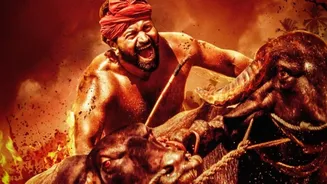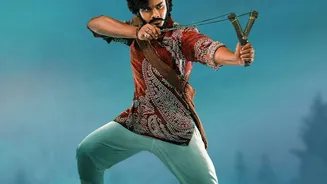









The Dawn of the Pan-Indian Film
Not long ago, Indian cinema was largely seen as a collection of separate, regional industries. A hit in Telugu might be unknown in the Hindi heartland, and a Bengali classic might never find an audience in the South. That all changed with the arrival
of the “pan-Indian” film, a term popularised by the earth-shattering success of S.S. Rajamouli's 'Baahubali' series. Released in multiple languages simultaneously, 'Baahubali' proved that a story rooted in one region could, with the right vision, captivate the entire country. It did more than just break box office records; it broke down linguistic and cultural barriers, creating a new template for blockbuster filmmaking that other industries, notably from Kannada cinema with the 'KGF' franchise, would follow.
The Universal Language of Mass Appeal
The secret to this nationwide success isn't just dubbing. It's the focus on themes that resonate with everyone, regardless of language. These films tap into a wellspring of universal emotions and mythic storytelling. Director S.S. Rajamouli himself has said he aims to create stories that connect even if you turn off the dialogue. The core of 'RRR' is a powerful story of friendship against the backdrop of a freedom struggle. 'KGF' is a classic underdog story of a man rising from poverty to power. These are narratives of good versus evil, sacrifice, and heroism that are inspired by foundational stories like the Amar Chitra Katha comics and Indian epics. This focus on core human emotions, often presented with unapologetic sincerity, provides a powerful connection that transcends regional sensibilities.
Crafting Worlds with High Production Values
Emotional depth provides the foundation, but it's the spectacular production that builds the legend. Pan-Indian sagas are defined by their sheer scale and technical ambition. These are not just expensive films; they are meticulously crafted visual experiences. We're talking about world-class visual effects, breathtaking cinematography, and immersive sound design that combine to create unforgettable worlds, from the majestic kingdom of Mahishmati in 'Baahubali' to the gritty, stylized mines of 'KGF'. This commitment to high production values shows that Indian cinema can match Hollywood in scale and spectacle, creating a sensory experience that demands to be seen on the big screen. The investment is not just in star salaries but in the very texture of the film, making the world feel real, vast, and awe-inspiring.
The Star as a National Event
While the story and spectacle are crucial, the role of star power cannot be ignored. Actors like Prabhas, Yash, Ram Charan, and Jr. NTR have become national figures, their popularity no longer confined to their home industries. However, the strategy has evolved beyond just casting a single big name. Many pan-Indian films now feature an ensemble cast from different regions, a practice designed to create an immediate connection with multiple audience groups from the very first poster. This cross-industry collaboration turns a film's release into a national event, drawing in diverse fanbases. The star is the gateway, but it is the quality of the film that converts them into loyal audiences for the pan-Indian phenomenon.
From Blockbuster to Cultural Legend
What elevates these films from mere hits to iconic legends is their cultural footprint. A film becomes a legend when it moves beyond the theatre and into public consciousness. The question "Why did Kattappa kill Baahubali?" became a national mystery, dominating conversations for two years. The swagger of Yash's 'Rocky Bhai' in KGF influenced fashion and attitudes. These movies generate memes, inspire trends, and set new benchmarks for what is possible in Indian filmmaking. They are not just successful products; they become cultural moments that unite audiences in a shared experience, proving that a film can be deeply rooted in one culture while speaking to the aspirations and emotions of an entire nation.