



A Bubble of Life in a Hostile Void
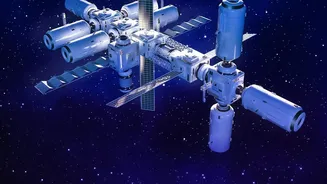
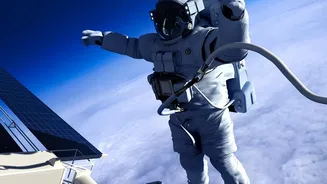
Space is an environment fundamentally incompatible with human life. Outside a spacecraft, there is no air to breathe, no pressure, and temperatures swing from scorching heat to absolute freezing. A spaceship or station is more than a vehicle; it's a self-contained
bubble of Earth. To keep astronauts alive, this bubble must be meticulously managed. This is the job of the Environmental Control and Life Support System, or ECLSS. It's an intricate network of machines responsible for maintaining a habitable atmosphere and providing clean water, essentially mimicking Earth's natural life-sustaining processes in a box.
The Meaning of 'Closed-Loop'
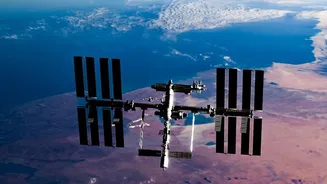
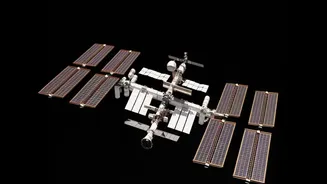
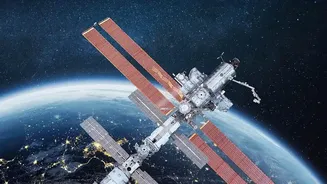
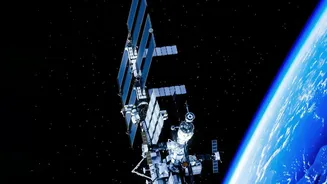
For short space missions, like the early Apollo flights, it was possible to pack all the necessary oxygen and water, and store all the waste. This is an 'open-loop' system. But for long stays on the International Space Station (ISS) or future multi-year trips to Mars, this approach is impossible. The sheer weight of the supplies would be too costly and difficult to launch. A 'closed-loop' system solves this problem through recycling. Instead of constantly needing new supplies from Earth, it regenerates essentials like air and water from the waste products generated by the crew, dramatically reducing the need for resupply missions.
Scrubbing the Air and Making Oxygen
Every second, astronauts exhale carbon dioxide (CO2). In the sealed environment of a space station, this CO2 would quickly build up to toxic levels, causing headaches, cognitive impairment, and eventually becoming fatal. The ECLSS constantly scrubs the air, using filter systems to capture CO2 molecules. But the system goes a step further. Advanced hardware, like the Sabatier system on the ISS, can take this captured CO2 and combine it with hydrogen (a byproduct of water electrolysis) to create more water. This newly created water can then be split using electricity from solar panels to generate breathable oxygen for the crew, closing the air loop.
Yesterday's Coffee is Tomorrow's Coffee
The concept of recycling water in space might sound unappealing, but it's a marvel of engineering and a daily reality for astronauts. The station's Water Recovery System collects moisture from every available source: the crew's breath and sweat captured from the cabin air, and even urine. This collected wastewater is then put through a multi-stage purification process that involves filters and distillation. The result is water that is often purer than what most people drink on Earth. The ISS can recover around 98% of its water, a critical achievement that makes long-duration habitation possible and serves as a vital testbed for future deep-space missions.
Beyond Air and Water
A comprehensive life support system manages more than just breathing and drinking. It constantly circulates air, because in microgravity, pockets of CO2 can form around a sleeping astronaut's head, which could be dangerous. The ECLSS also controls temperature and humidity for crew comfort and equipment safety, and includes systems for fire detection and suppression. It filters out other harmful trace chemicals that can be emitted by the crew or equipment over time. Each of these functions is a critical piece of the puzzle that keeps the station's environment stable and safe for its human inhabitants.
The Key to Deep Space Exploration
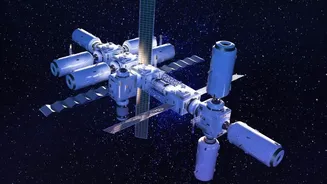
As humanity sets its sights on returning to the Moon and making the long journey to Mars, closed-loop technology becomes non-negotiable. A mission to Mars could last for years, making regular resupply from Earth completely impractical. The life support systems for these future missions will need to be even more efficient, reliable, and autonomous than those on the ISS today. Technologies being tested now, from more advanced CO2 recycling to bioregenerative systems that use plants to produce food and oxygen, are the building blocks for humanity's future as a multi-planetary species.