




Understanding the Current Weather
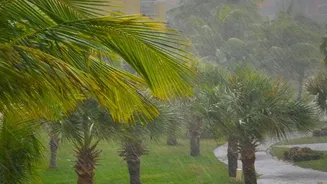
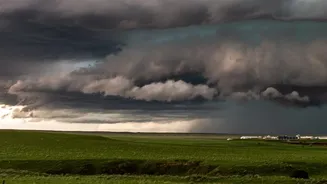
While long-range forecasts may have suggested a quieter month, the reality on the ground in early August is one of active and intense monsoon conditions. The India Meteorological Department (IMD) has forecast widespread rainfall, with heavy to very heavy spells
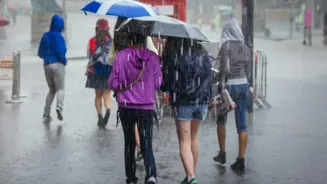
impacting regions from north to south. States like Kerala, Uttarakhand, and those in the Northeast are seeing significant downpours, leading to waterlogging, landslides, and disruptions to daily life. This active phase means that even areas that were dry a week ago could face sudden, intense rainfall, making travel unpredictable.
The Domino Effect on Travel
Heavy monsoon rains don't just mean getting wet; they create a domino effect that can unravel the most carefully planned itineraries. Flights get delayed or cancelled due to poor visibility or waterlogged runways. Train services can be suspended or rerouted due to flooded tracks or landslides in hilly areas. Road travel becomes the most hazardous, with highways facing closures from flooding and the ever-present danger of landslides in ghat sections. These disruptions are precisely why simply hoping for the best is not a viable strategy. A single delayed flight or blocked road can cause you to miss your next connection, turning a simple transfer into a multi-day ordeal.
The Golden Rule: Build in a Buffer
The single most important adjustment travelers can make is to abandon rigid, back-to-back scheduling. The key to successful monsoon travel is building buffer time into your itinerary. If you have a critical flight or train to catch, plan to arrive in that city a full day ahead. This might seem overly cautious, but it provides a crucial safety net. That extra day absorbs any delays from your first leg of travel and ensures you're not in a panicked rush. When booking, opt for flexible or refundable tickets where possible, as these provide an extra layer of security if plans need to change drastically.
Navigating Layovers and Connections
The phrase "timing between travel legs" becomes paramount during the monsoon. A 90-minute layover that works perfectly in dry weather is a recipe for stress during the rains. When booking connecting flights or trains, extend your layover time significantly. This allows for potential delays on your incoming journey and gives you more time to navigate potentially crowded or chaotic transport hubs. Another smart tactic is to book accommodation near the airport or railway station for your overnight stay. This minimizes the time you need to spend travelling on local roads, which are often the first to become waterlogged and congested.
Pack for Success, Not Just Sunshine
Your packing strategy needs to adapt to the weather. Leave the heavy jeans and cottons at home; they take forever to dry and become uncomfortable when damp. Instead, opt for lightweight, synthetic, quick-drying clothes. Essential items include a reliable raincoat, waterproof footwear with good grip, and a waterproof cover for your backpack. Keep all essential documents, electronics, and chargers in smaller waterproof pouches or zip-lock bags. A power bank is non-negotiable, as power cuts can be more frequent. Finally, a good mosquito repellent is crucial, as stagnant water is a breeding ground for mosquitoes.
Staying Safe and Informed on the Ground
Once your journey begins, stay proactive. Use reliable weather apps to track real-time conditions, not just the morning forecast. Before heading out for the day, ask your hotel staff about local road conditions and any potential landslide alerts. Be extremely cautious around street food and water; only drink sealed bottled water and eat from busy, reputable establishments to avoid water-borne illnesses. Finally, respect the power of the rain. Avoid swimming in rough seas or crossing flooded streets, and always follow the advice of local authorities.