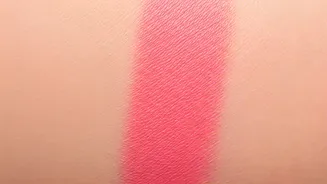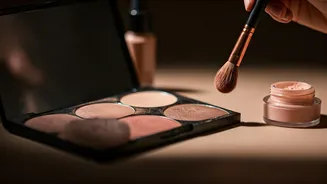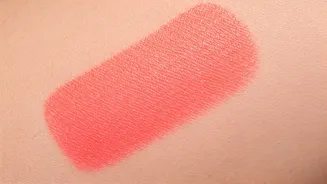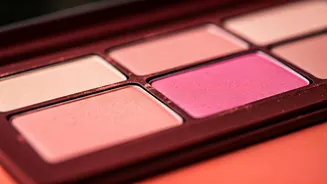





What Exactly is Blush Blindness?
Blush blindness is a term, popularised on social media, used to describe the moment you become desensitised to the amount of blush you are applying. It’s a gradual process where you add a little more each day until, without realising, you're wearing a much
heavier application than you normally would. Experts compare it to other beauty trends of the past, like the overly-defined 'eyebrow blindness' of the 2010s. It's essentially a form of sensory adaptation—your eyes get used to seeing your face with a certain level of colour, so you stop noticing it and feel the need to apply more to get the same impact.
Why Does It Happen?
Several factors contribute to blush blindness. The primary culprit is a simple psychological one: you get used to seeing your own reflection. Over time, your brain normalises the look, prompting you to add more product to achieve the initial 'pop' of colour you once saw. Another major reason is poor lighting. Applying makeup in a dimly lit or overly warm-toned room can seriously distort how colours appear on your skin. What looks like a subtle flush in your bathroom mirror can reveal itself as a dramatic stripe of colour in natural daylight. The tools you use also play a significant role. A brush that is too dense can pick up and deposit too much pigment at once, while not tapping off the excess product can lead to an overly concentrated application from the first touch.
The Critical Role of Lighting
Nearly every makeup artist agrees that lighting is the most crucial element for a flawless application. Natural daylight is considered the gold standard because it provides clear, evenly diffused light that reveals true colours. If possible, do your makeup facing a window. If natural light isn't an option, the next best thing is cool, white artificial light. Experts suggest using LED bulbs with a colour temperature between 4,800K and 6,000K, as this range most closely mimics natural daylight without being too warm or too cool. It’s also important to have light coming directly at your face, rather than from above, which can cast misleading shadows.
Expert Tips for the Perfect Flush
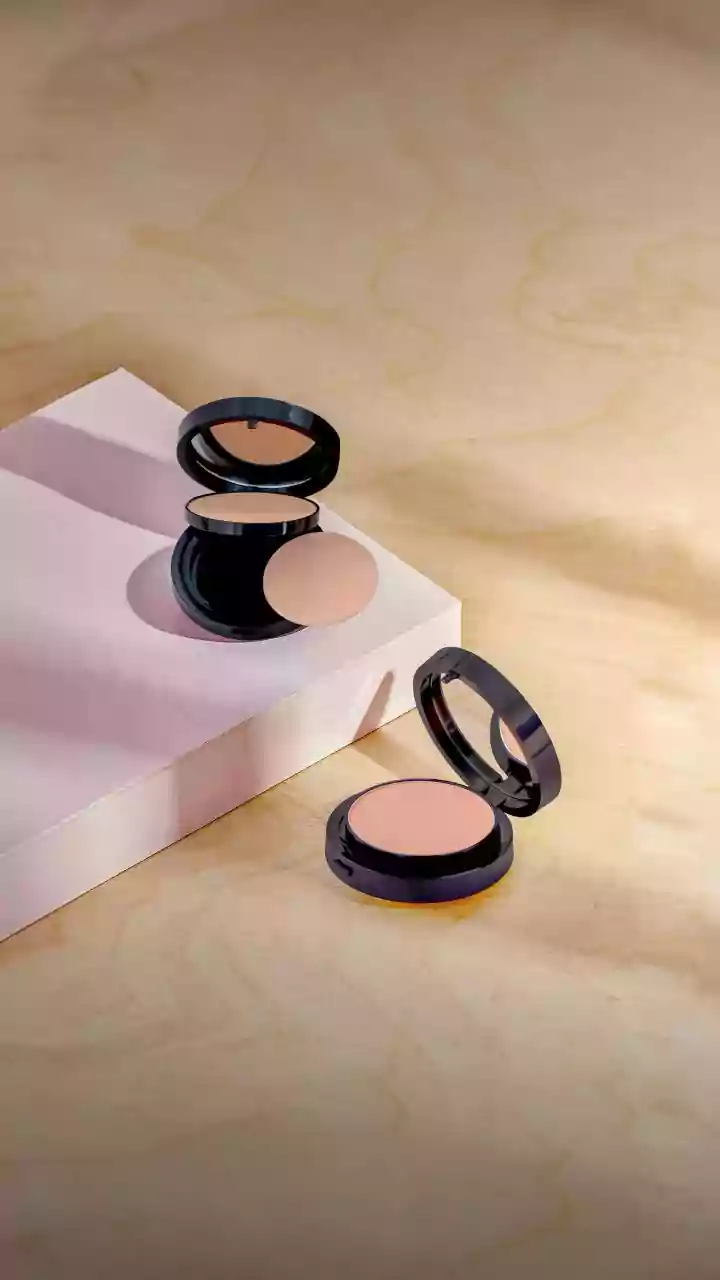
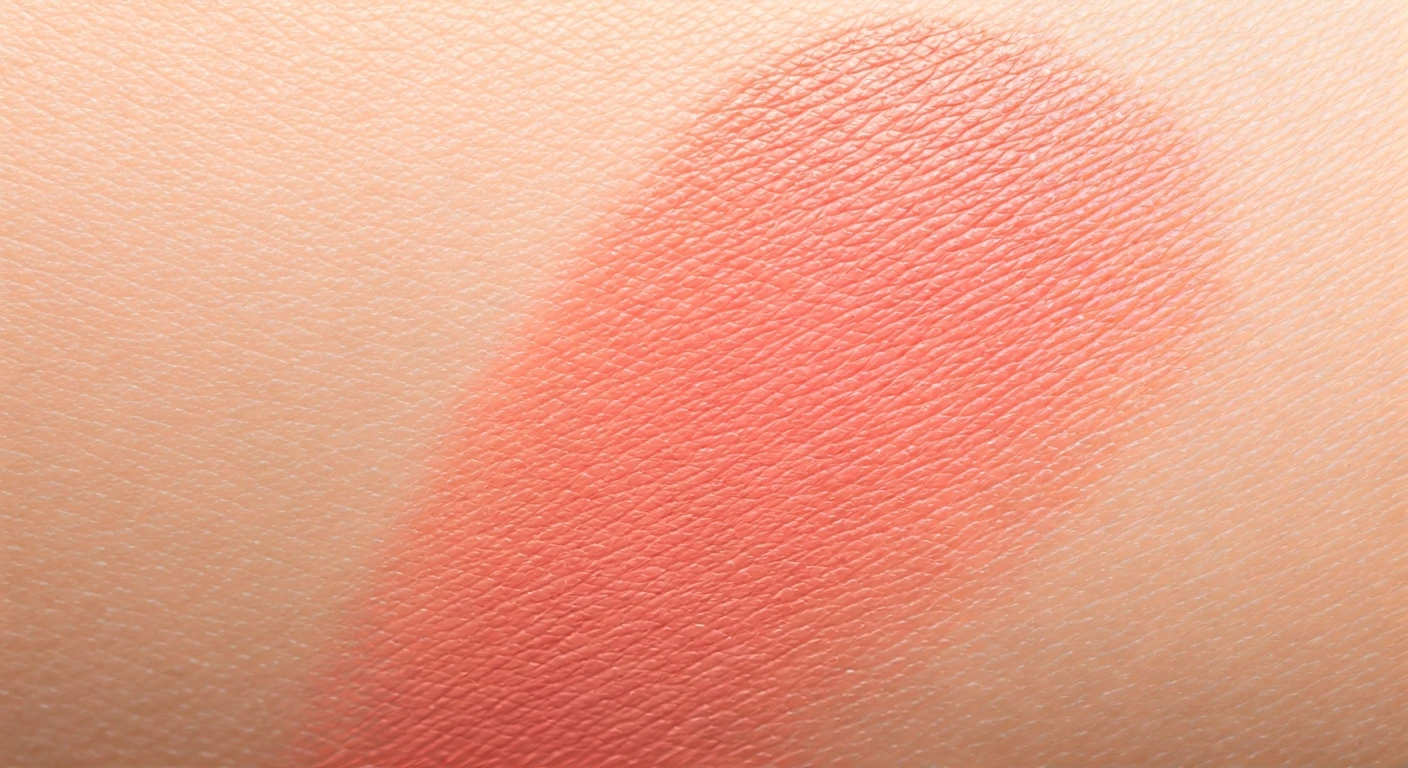
To combat blush blindness, experts suggest several simple but effective techniques. First, always start with a light hand; it's much easier to add more product than to take it away. One professional tip is to apply cream blush to the back of your hand first, then use a brush or sponge to pick up the product from there, giving you more control over the amount. When using powder blush, always tap the excess off your brush before it touches your face. Instead of applying colour directly to the apples of your cheeks, try starting your application at the hairline and blending forward with light, sweeping motions. Finally, step back from the mirror periodically to get a better overall perspective of your look.
Quick Fixes for Over-Blushing
If you do find you've been a bit heavy-handed, don't panic and reach for a makeup wipe. For powder blush, a clean, fluffy brush can be used to buff and diffuse the colour. You can also dust a small amount of translucent setting powder over the area to tone down the intensity. For cream blush, or for more stubborn cases, a damp beauty sponge can be used to gently press and lift excess pigment without disturbing the foundation underneath. As a last resort, you can take a tiny amount of your liquid foundation or concealer on a sponge and gently tap it over the area to blend the blush back into your skin tone.