

From Sightseeing to Story-Living
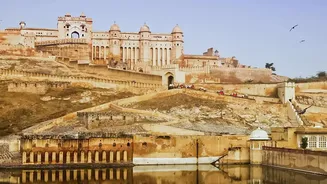
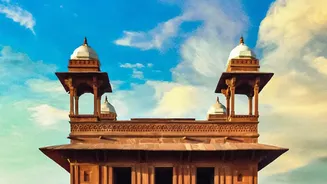
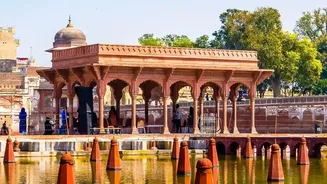
For decades, travel in India often followed a familiar script: visit a famous fort, take a picture at a viewpoint, and move on. Today, that model is evolving. A significant shift is underway, with modern travellers looking for more than just a photo opportunity;
they want stories and memories. This trend, often called experiential travel, is about immersing oneself in the destination. Instead of merely observing from a distance, travellers want to participate in the life of the place they are visiting. Recent reports show a sharp rise in this preference, with a majority of Indian travellers stating their interest in culture-led travel has grown significantly in recent years. This shift is driven by a desire for authenticity and a deeper connection to the places they explore.
A Journey for the Taste Buds
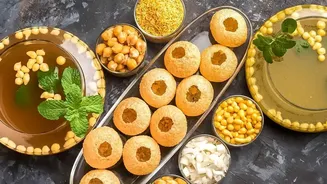
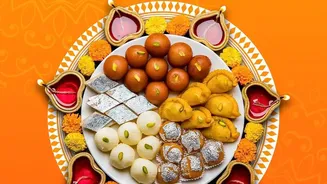
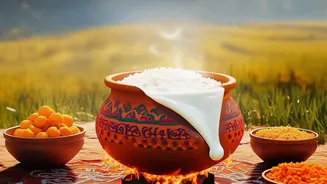
Food has become a primary motivator for travel, moving from a pleasant afterthought to the main event. The Indian culinary tourism market is expanding rapidly as travellers plan entire trips around exploring regional cuisines. This goes far beyond just dining out. Travellers are engaging in culinary trails, taking cooking classes with local families, exploring spice plantations, and joining street food walks to understand a region's identity through its flavours. Whether it's learning the secrets of Rajasthani laal maas in a heritage haveli or discovering the nuances of Bengali sweets in Kolkata, food offers a delicious gateway into local culture. According to a recent survey, a large percentage of travellers would plan a trip specifically for regional food experiences.
Planning Around the Calendar of Celebrations
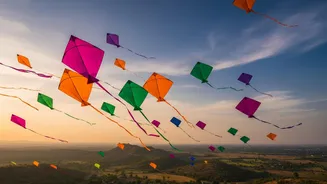
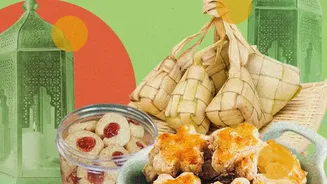
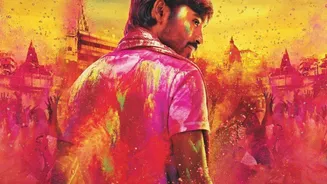
Festivals are no longer just a colourful backdrop to a holiday; they are the reason for the journey itself. A growing number of travellers are intentionally planning their trips to coincide with India’s vibrant festivals. Recent survey data shows that nearly three-quarters of Indian travellers would consider planning an entire holiday around a major cultural or religious celebration. Events like Durga Puja in Kolkata, Ganesh Chaturthi in Mumbai, and Navratri Garba across Gujarat are becoming major travel draws. This trend also extends to lesser-known regional festivals, which offer an unfiltered glimpse into unique traditions and community life, from the Hornbill Festival in Nagaland to Bonalu in Telangana. This intentional planning shows a shift towards treating festivals as can't-miss cultural events.
The Search for Authentic Connection
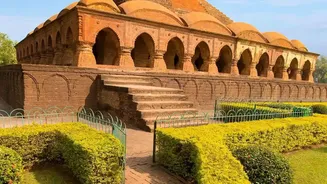
At the heart of this new travel wave is a search for genuine human connection and cultural understanding. Travellers are increasingly opting for homestays over hotels, participating in artisan workshops to learn traditional crafts like pottery or weaving, and joining heritage walks led by locals. This desire for participation over passive observation is a core element of experiential travel. The trend is also influencing where people go, with many exploring smaller Tier 2 and Tier 3 towns to discover authentic traditions away from crowded tourist circuits. The drivers behind this shift are multifaceted. Younger generations like Millennials and Gen Z are seeking unique, shareable experiences. Social media plays a significant role, with platforms like Instagram showcasing hidden gems and authentic local life, inspiring travellers to look beyond the obvious.