




The Science Behind the Hack
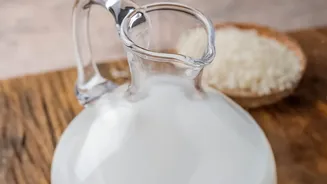
The milky water left after washing rice is not just starchy waste. It contains small amounts of nitrogen, phosphorus, and potassium (NPK), which are the primary nutrients all plants need. It also holds trace minerals and B vitamins like thiamine and niacin
that can support root development and overall plant health. The main benefit, however, comes from the starch. This starch feeds beneficial microbes already present in the soil. These microorganisms, in turn, break down organic matter and make nutrients more available for the plant's roots to absorb, improving soil structure and health over time.
Fresh vs. Fermented Rice Water
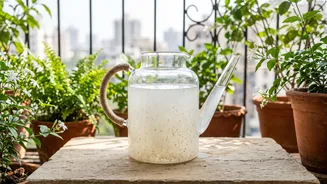
You can use rice water in two ways: fresh or fermented. Fresh water, from rinsing uncooked rice, is the quickest option and can be used immediately, though it's best to dilute it. Fermented rice water is more potent. To make it, you let the cloudy rinse water sit in a loosely covered jar for two to five days at room temperature until it develops a slightly sour smell. This fermentation process cultivates beneficial bacteria, like lactobacillus, and can significantly increase the concentration of available nutrients. Research has shown fermented preparations can boost nutrient levels by a wide margin and lower the soil's pH slightly, which is great for acid-loving plants like tomatoes.
A Simple How-To Guide
Using rice water is simple, but following a few steps ensures the best results. First, always use water from rinsing plain, uncooked rice. Never use water that has been salted or oiled, as salt is harmful to plants. For fresh use, you can apply the rinse water directly, but many gardeners recommend diluting it with an equal part of plain water. For a fermented batch, collect the rinse water in a glass jar, cover it with a cloth, and let it sit away from direct sunlight. Once it smells slightly sour, it's ready. This potent liquid must be diluted; a ratio of one part fermented water to five or even ten parts fresh water is a safe starting point.
Best Plants and Application
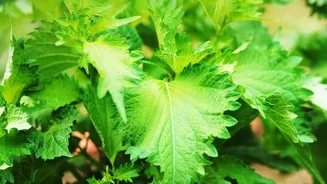
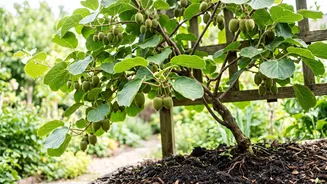
Rice water is not a complete fertilizer, but a mild supplement. It works best when used once every one or two weeks during the active growing season. Pour the diluted solution directly onto the soil at the base of the plant, avoiding the leaves to prevent potential fungal issues. In Indian homes, many common plants respond well to this treatment. Leafy greens, tomatoes, money plants, peace lilies, spider plants, and pothos often show positive results. However, avoid using it on succulents and cacti, which prefer dry conditions and can be susceptible to root rot from the extra moisture and starch.
Mistakes to Avoid
While beneficial, misusing rice water can cause problems. The most common mistake is overapplication. Using it too frequently or in a concentrated form can lead to a starchy crust on the soil, blocking oxygen and causing root rot. This starchy buildup can also attract pests like fungus gnats and ants, especially for indoor plants. If you notice any white mould on the soil surface, a bad smell, or an increase in pests, it's a sign to cut back or stop using it. It's also worth noting that rice can absorb small amounts of naturally occurring arsenic from the soil, so while occasional use is fine, very frequent application on edible plants may not be ideal.