




Beyond the Wellness Buzzword
The term “gut health” has become a global wellness mantra, often associated with expensive kombuchas and kimchi. In India, however, this trend is taking a decidedly local flavour. It’s less about adopting foreign habits and more about reviving a deep-seated
culinary intelligence that has always understood the connection between digestion and overall well-being. The modern Indian kitchen, from high-end restaurants in Delhi to home cooks in Chennai, is looking inwards. The focus is shifting from simply flavour and presentation to the very foundation of health: a happy gut microbiome. This means prioritising foods that are easy to digest, rich in fibre, and full of the beneficial bacteria that our bodies thrive on. It’s a quiet revolution that feels both refreshingly new and deeply familiar.
The Fermentation Renaissance
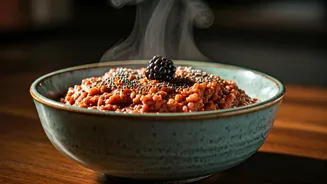
At the heart of the gut-first movement is the revival of fermentation. For generations, Indian households have mastered the art of transforming simple ingredients into probiotic powerhouses. Think of the tangy, purple-hued Kanji, a fermented carrot drink from North India, or the comforting bowl of Pazhaya Sadam (fermented rice) from the South, a traditional breakfast for farmers that provided sustained energy and a healthy dose of B vitamins. These are not new inventions but cherished traditions being seen through a new lens. While store-bought pickles are often loaded with vinegar and preservatives, there's a renewed appreciation for homemade achaar, lacto-fermented using salt, spices, and time. This slow process cultivates beneficial bacteria, turning a simple condiment into a gut-friendly superfood. Chefs and food entrepreneurs are now bottling these traditional ferments, making them accessible to a new generation eager for authentic, healthy options.
The Mighty Return of Millets
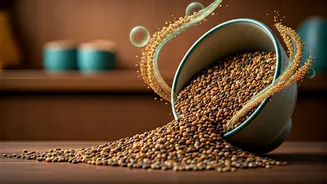
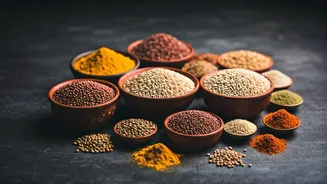
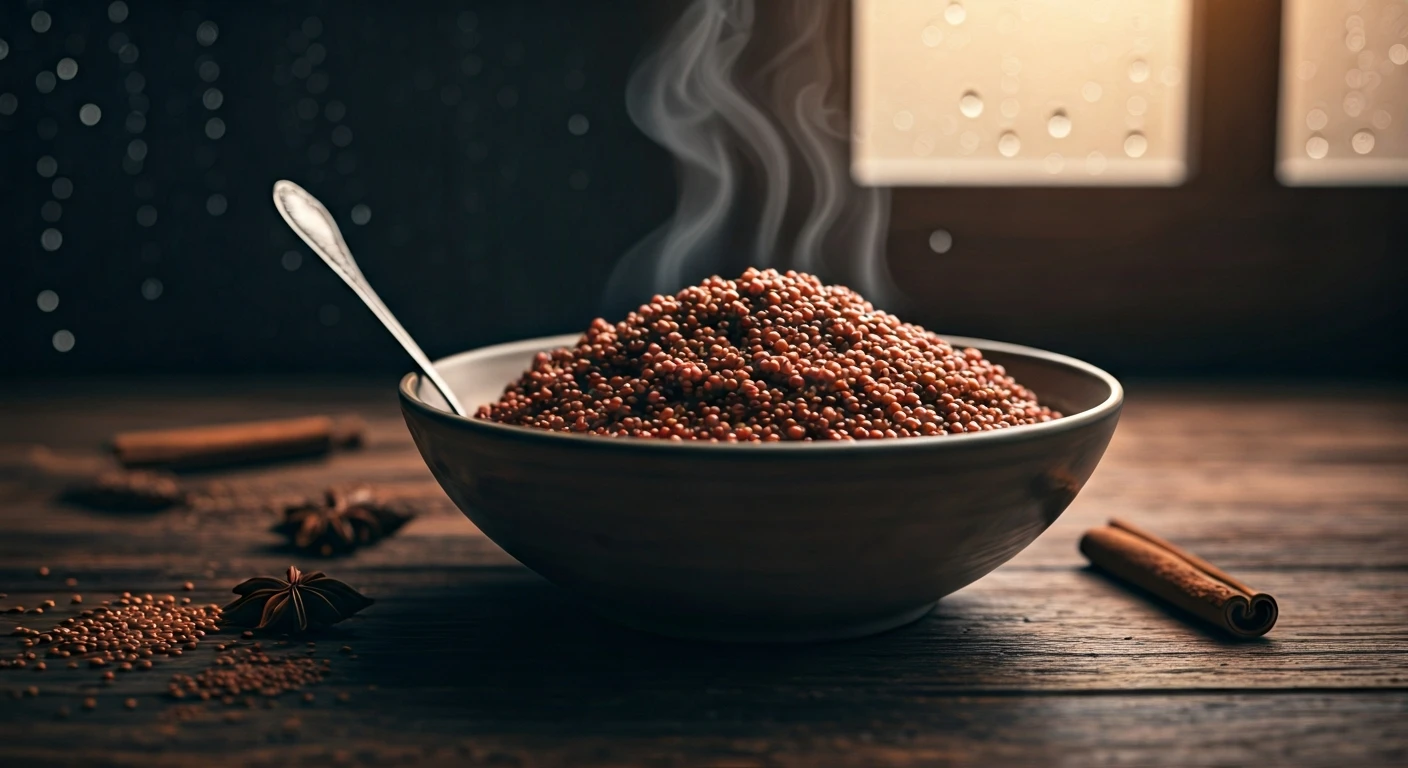
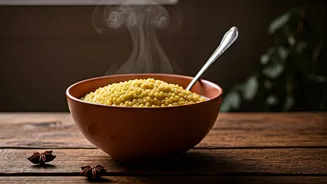
The United Nations’ declaration of 2023 as the International Year of Millets couldn't have been better timed. These ancient grains, once staples of the Indian diet before being overshadowed by wheat and rice, are making a powerful comeback, and for good reason. Millets like ragi, jowar, and bajra are not just gluten-free; they are packed with fibre, which acts as a prebiotic. Prebiotics are essentially food for the good bacteria in your gut, helping them flourish. Their complex carbohydrates ensure slow digestion and a steady release of energy, preventing the blood sugar spikes associated with refined grains. From ragi dosas and jowar rotis to millet-based porridge and even millet biryani, these hardy grains are being celebrated for their versatility, sustainability, and profound benefits for digestive health.
From Home Kitchens to Restaurant Menus
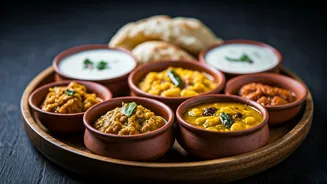
This gut-friendly philosophy is visible across the food landscape. At home, people are swapping refined oils for cold-pressed versions and ghee, which is rich in butyric acid—a short-chain fatty acid that supports the intestinal wall. There's a conscious effort to eat seasonally and locally, just as our grandparents did, ensuring produce is at its peak nutritional value. This trend is also being championed by India’s leading chefs. Menus at progressive Indian restaurants now proudly feature dishes that highlight fermented ingredients or showcase indigenous grains. You might find a Kanji-based cocktail, a main course built around a local variety of black rice, or a dessert using naturally sweet, fibre-rich dates instead of refined sugar. It signals a major shift where “healthy” is no longer a separate, boring category but is integrated into a creative and delicious dining experience.
Why This Trend Has Legs
So, why now? The movement is a confluence of several factors. The post-pandemic era has ignited a collective focus on immunity and preventative health, with the gut being recognised as the command centre of our immune system. Furthermore, there's a growing cultural pride and a desire to connect with culinary heritage in an authentic way. For many, embracing these traditional foods is an act of decolonising their plates and celebrating a food system that is inherently sustainable and suited to our climate and bodies. It represents a mature, confident approach to wellness—one that trusts a grandmother's wisdom as much as a scientific study.