




Why Good Drainage is Non-Negotiable
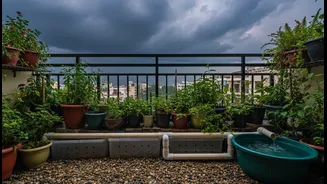
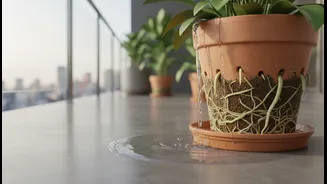
Before diving into fixes, it’s important to understand why drainage is so critical. Plant roots need oxygen to survive, which they get from air pockets in the soil. When soil becomes waterlogged from constant rain, these air pockets fill with water, effectively
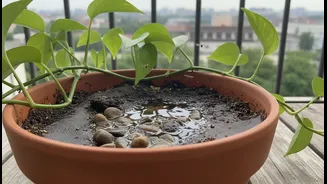
drowning the roots. This leads to root rot, a condition where roots decay, turn mushy, and can no longer absorb nutrients. The first signs you might notice are yellowing leaves, wilting despite wet soil, and stunted growth. By improving drainage, you ensure that excess water flows away quickly, allowing roots to breathe and thrive throughout the rainy season.
Start with a Simple Pot Inspection
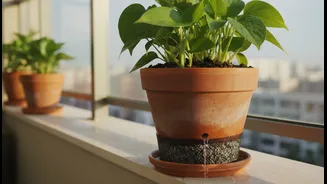
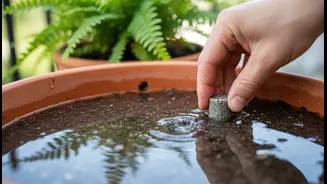
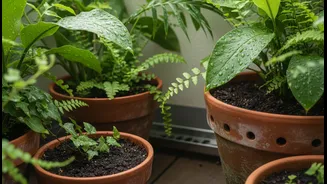
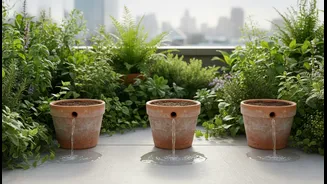
The easiest fix begins with your pots themselves. Turn each pot over and make sure its drainage holes are clear of compacted soil, roots, or debris. A single blocked hole can render the rest useless. Use a stick or an old screwdriver to gently clear any blockages. If your pots sit in saucers, make a habit of emptying them immediately after a heavy shower. Allowing a pot to stand in a saucer full of water is one of the fastest ways to create waterlogged conditions, as the soil will reabsorb the excess moisture from the bottom up. This simple step is one of the most effective ways to prevent root rot.
Elevate Your Pots for Better Airflow
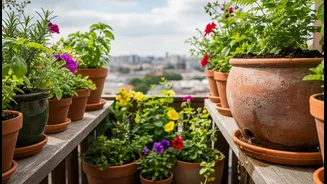
Lifting your pots off the balcony floor is a game-changer. When containers sit flat on a solid surface, water can get trapped underneath, blocking drainage holes and preventing air from circulating. You can easily elevate them using simple materials. Place pots on a few bricks, flat stones, or wooden blocks. Specialised 'pot feet' are also available at most garden centres and serve the same purpose. Even a small gap of an inch or two is enough to allow excess water to drain away freely and helps the base of the pot dry out faster between showers, significantly reducing the risk of fungal growth and root decay.
Create a Lighter, Fast-Draining Soil Mix
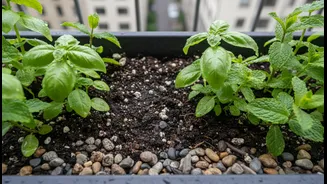
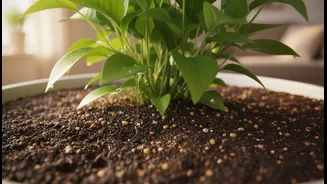
Heavy, dense soil is a major problem during the monsoon, as it holds onto water for too long. You can give your plants a much better chance of survival by creating a lighter, more porous potting medium. Before the rains set in, consider repotting your plants with an improved mix. A good formula is to combine your regular potting soil with materials that improve aeration and drainage. Additives like perlite (small white volcanic rocks), coarse sand, or cocopeat are excellent for this. A simple mix could be one part soil, one part compost, and one part perlite or sand. This ensures the soil provides nutrients while allowing excess water to pass through quickly.
Debunking a Common Drainage Myth
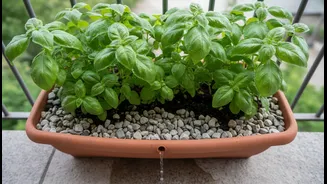
For years, a common piece of gardening advice was to add a layer of gravel or broken pottery shards to the bottom of a pot to improve drainage. However, modern horticulture has shown this to be ineffective and even counterproductive. This layer actually creates what is known as a 'perched water table'. Water does not flow easily from the fine-textured soil to the coarse-textured gravel. Instead, the soil at the bottom of the pot must become completely saturated before any water moves into the gravel layer below. This means the plant's roots are sitting in a pool of stagnant water, which is exactly what you are trying to avoid. The best practice is to use a well-draining soil mix throughout the entire pot and ensure the drainage holes are clear.
Emergency Measures During Downpours
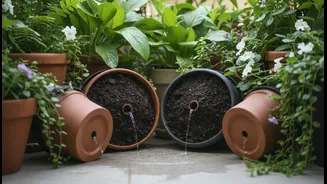
Sometimes, despite your best efforts, a prolonged, heavy downpour can overwhelm your pots. In these situations, a few emergency actions can help. For large, heavy pots that are difficult to move, gently tilt them at an angle for a few hours after the rain stops. This uses gravity to help excess water drain out of the holes. For smaller pots, consider moving them to a sheltered area, like under an overhang, during the most intense rain. If you notice the top layer of soil has become hard and compacted, gently poke a few deep holes into the soil with a chopstick or skewer, being careful to avoid the main root ball. This will help aerate the soil and create channels for water to drain away.