

Choose Your Location Wisely
The first step to a cleaner feeding station is choosing the right spot. High-traffic hallways are a recipe for kicked-over water bowls and scattered food. Instead, select a quiet, low-traffic corner of your home. The ideal surface is a hard one, like
tile, vinyl, or sealed hardwood, which is far easier to wipe clean than carpet. Placing the station away from doorways and main walking paths not only contains the mess but also gives your pet a more peaceful place to eat. This simple change can dramatically reduce how far crumbs and splashes travel.
Invest in a High-Quality Mat
A good pet food mat is your best defense against spills and dribbles. It acts as a placemat, catching stray food and water before it hits your floor. Look for mats made from non-toxic, food-grade silicone. These are typically waterproof, non-slip, and often have a raised edge or lip to contain even bigger spills. Silicone mats are also incredibly easy to clean; most can be wiped down, rinsed in the sink, or even placed in the dishwasher. This creates a designated, easy-to-clean zone that protects your floors and makes daily tidying a breeze.
Select Smarter Pet Bowls
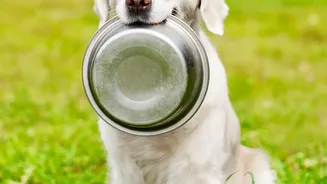
Not all bowls are created equal. Veterinarians often recommend stainless steel as the best overall choice because it is durable, non-porous, and easy to sanitize. Unlike plastic, which can develop tiny scratches that harbor bacteria, stainless steel offers a more hygienic surface. Ceramic is another good option, provided it has a lead-free, food-safe glaze and no cracks. For messy eaters, consider the bowl's design. A bowl with a non-slip rubber base will prevent it from sliding across the floor. For pets who push food out, a bowl with higher sides or a slanted design can help keep kibble contained.
Establish a Daily Cleaning Routine
Consistency is key. Instead of letting messes build up, commit to a quick daily cleanup. After your pet finishes their meals, wipe up any spilled food or water. Wash the food and water bowls with warm, soapy water every day to prevent the buildup of grime and harmful bacteria. For a quick floor wipe-down, a simple solution of equal parts white vinegar and water is a pet-safe option that can cut through grime and help eliminate ant trails. This daily habit takes only a few minutes but makes a huge difference in maintaining hygiene and preventing pests.
Contain the Food Source
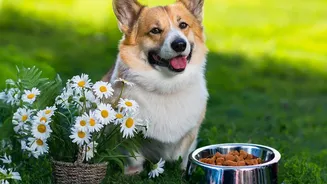
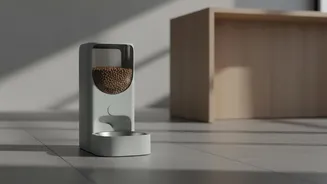
How you store and serve food also impacts cleanliness. Avoid leaving large bags of pet food open, as this not only invites pests like ants but also causes the food to go stale. Instead, transfer kibble into an airtight container. This keeps the food fresh and prevents odors from attracting unwanted visitors. When it's mealtime, avoid overfilling the bowl. Serve just enough for one meal. This discourages your pet from pushing food out of a crowded bowl and prevents uneaten food from sitting out and attracting pests. If ants are a problem, creating a 'moat' by placing the food bowl inside a larger, shallow pan of water can be an effective, chemical-free deterrent.
Address the Messy Eater
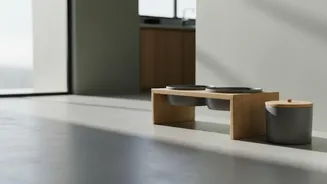
If your pet is an especially enthusiastic or sloppy eater, you may need a more tailored solution. For fast eaters who gulp their food and send it flying, a slow-feeder bowl can help. These bowls have built-in obstacles or maze-like patterns that force your pet to eat more slowly and deliberately. This not only reduces mess but can also aid in digestion. For flat-faced breeds like pugs or Persian cats who struggle with deep bowls, an angled or shallow dish can make a world of difference, allowing them to eat more comfortably without pushing food everywhere. In some cases, a raised feeder can also improve posture and reduce spills.