


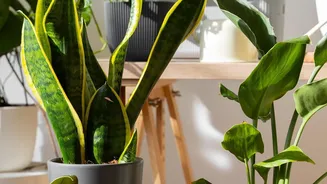
The Air-Purifying Promise
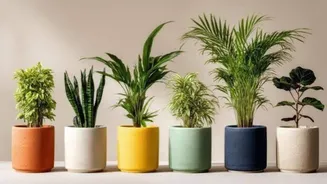
The idea that houseplants clean the air is very popular, largely thanks to a 1989 NASA study. It found that certain plants could remove toxins like formaldehyde and benzene from small, sealed chambers. However, our homes are not sealed labs. To get a noticeable
air-cleaning effect, you would need a huge number of plants—some studies suggest between 10 and 1,000 plants per square meter. While these plants won't single-handedly purify your home, they do offer proven psychological benefits and add immense aesthetic value. Think of any air-purifying effect as a small bonus, not the main event.
Meet the Snake Plant: The Survivor
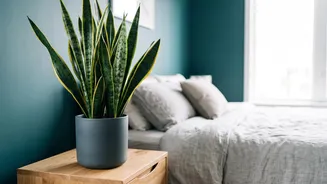
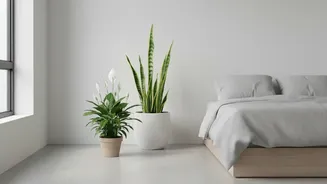
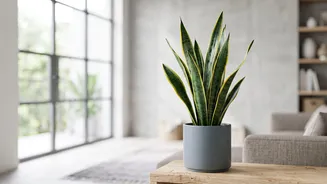
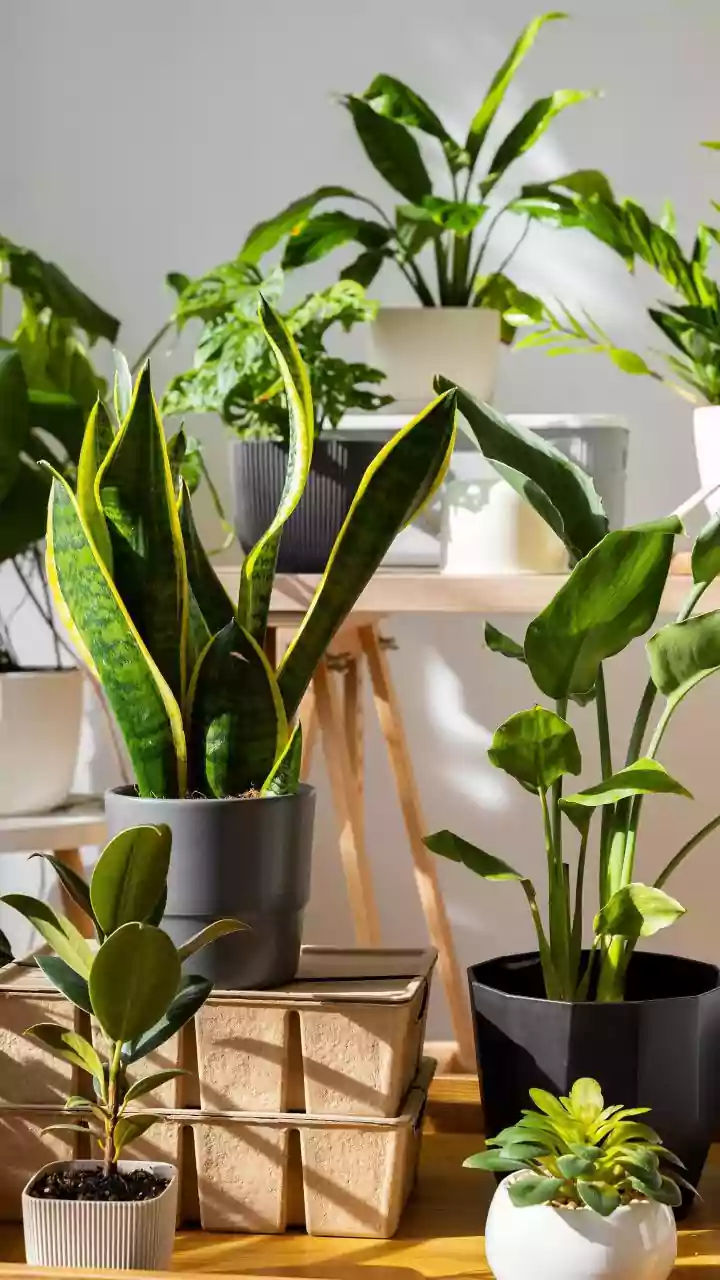
The Snake Plant, or Sansevieria, is famous for being nearly indestructible, making it a perfect starting point for new plant parents. Its tall, architectural leaves add a modern touch to any room. This plant is a champion of low-maintenance living, thriving on neglect more than attention. It’s adaptable to almost any light condition, from a dim corner to a spot with bright, indirect sunlight. While it can survive in low light, it grows best with more brightness. The key to a happy Snake Plant is restraint, especially with watering.
Snake Plant Care: Less is More
The single biggest mistake with Snake Plants is overwatering. These plants are succulents and are highly susceptible to root rot if the soil stays wet. The rule is simple: only water when the soil is completely dry. This might mean watering as little as once every two to four weeks, and even less in the winter. Always use a pot with drainage holes and a well-draining soil mix, like one designed for cacti. Snake Plants also prefer to be slightly snug in their pots, so there’s no rush to repot them. They require very little fertilizer; feeding them once or twice a year is plenty.
Meet the Peace Lily: The Communicator
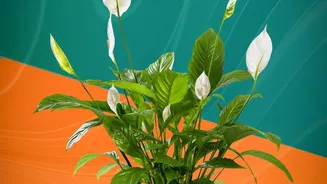
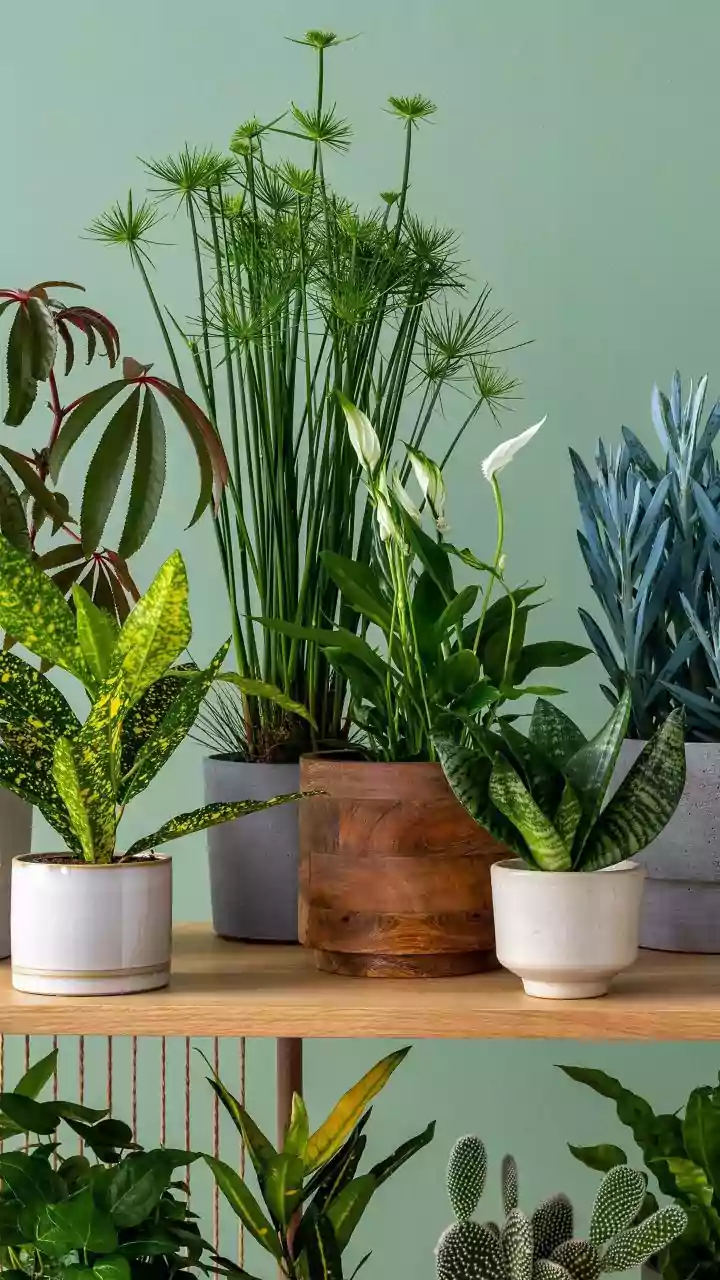
The Peace Lily, or Spathiphyllum, is beloved for its elegant dark green leaves and beautiful white blooms that resemble flags of peace. While often labelled as low-maintenance, it's more accurate to call it highly communicative. This plant will tell you exactly what it needs. It thrives in bright, indirect light, which is essential for it to produce its signature flowers. It can survive in lower light, but it is unlikely to bloom. One of its most famous traits is its tendency to droop dramatically when thirsty, making it an excellent guide for watering.
Peace Lily Care: Listen to the Drama
When a Peace Lily droops, don't panic. It's usually just thirsty. A good watering will typically have it looking perky again within hours. However, be careful not to overwater, as this is a common cause of yellowing leaves and root rot. Wait until the top inch or so of soil is dry before watering again. Peace Lilies are also sensitive to chemicals in tap water, which can cause brown leaf tips. If you notice this, try using filtered or distilled water, or let tap water sit out overnight before using. They also appreciate higher humidity, so misting the leaves every few days can keep them happy.