






The Philosophy of a Low-Friction Kitchen
When we talk about 'friction' in a kitchen, it’s about more than just cleaning. It’s the sigh you let out when you see fingerprints on the dark cabinets again. It’s the worry in the back of your mind when a guest almost puts a wine glass on your porous
marble countertop. It's the annoyance of having to pull everything off a shelf just to dust. A low-friction kitchen minimizes these daily pain points. It’s designed for the way you actually live, not for a pristine showroom. The goal is to make choices that serve you in the long run, reducing the mental and physical workload of maintaining your home’s hardest-working room.
Countertop Conundrums: Beauty vs. Reality
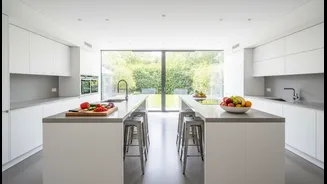
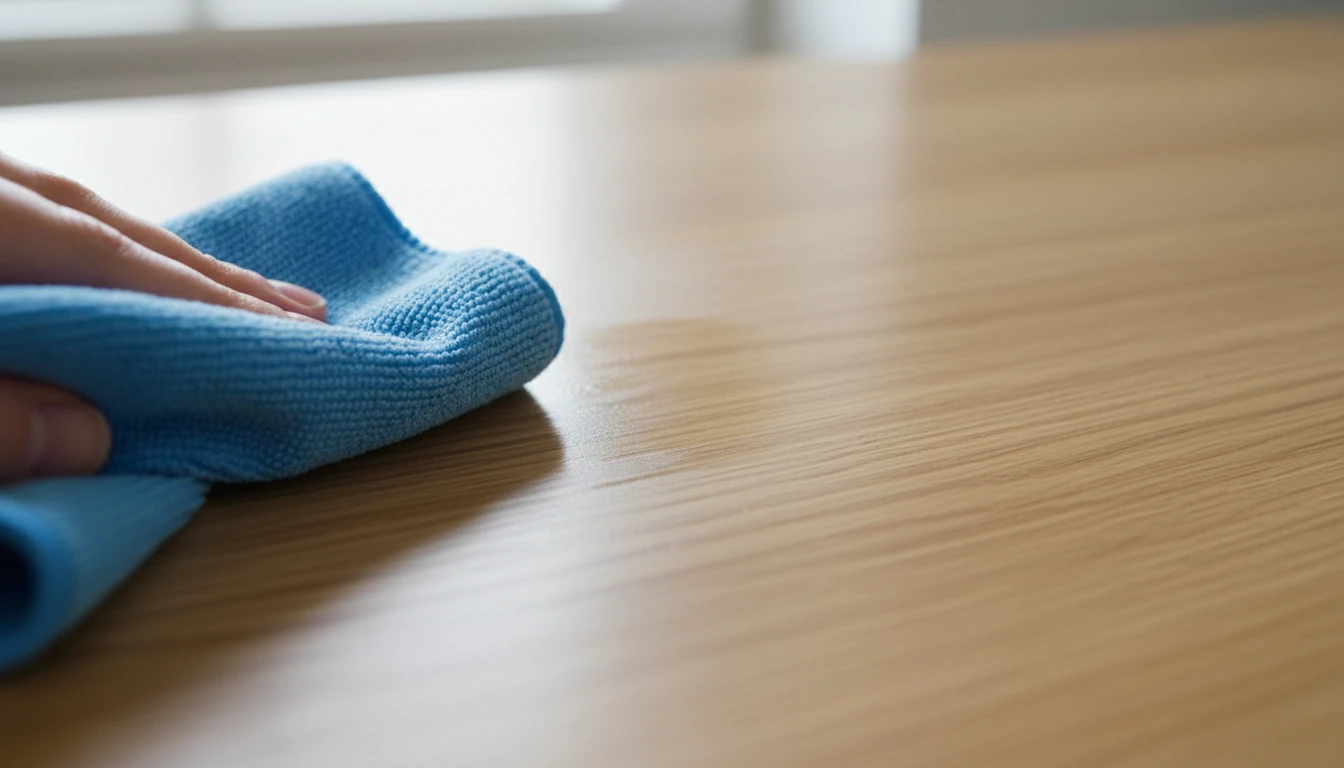
Countertops are the centrepiece of most kitchens, and they take the most abuse. While materials like marble and some types of granite are beautiful, they are also porous and prone to staining and etching. They often require regular sealing and constant vigilance against spills from things like wine, coffee, or even acidic foods like lemon juice. On the other hand, engineered quartz is a non-porous and highly durable option that resists stains and scratches without needing to be sealed. You get a similar high-end look with far less worry. For daily cleanup, a simple wipe with mild soap and water is usually all that's needed for quartz. Other practical choices include laminate and solid surface countertops, which offer durability and easy maintenance.
The Open Shelving Trap
Open shelving looks fantastic in styled photos on social media, suggesting an airy, curated vibe. In reality, it can be a magnet for dust and a thin layer of kitchen grease that seems to settle on everything. Unless you are committed to regularly taking down, washing, and reorganizing your dishes, open shelving can quickly become a source of clutter and a constant cleaning chore. A more practical alternative that still offers a sense of openness is using cabinets with glass-front doors. This allows you to display your favourite pieces while protecting them from dust and grime.
Appliance Overload and Smart Traps
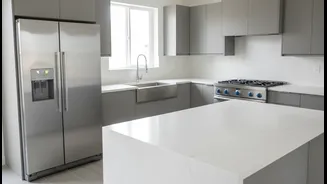
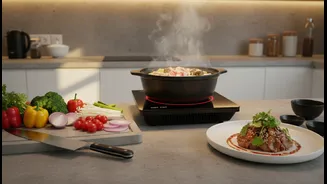
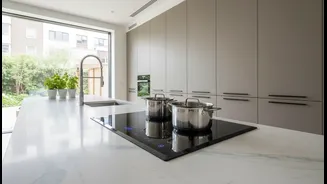
Modern appliances promise to make our lives easier, but sometimes they add unnecessary complexity. A 'smart' refrigerator with a touchscreen can be another electronic device to fail, and some app integrations are more gimmicky than useful. When choosing appliances, prioritize function and ease of cleaning. Look for fingerprint-resistant stainless steel finishes to minimize smudges. Induction cooktops are popular because their smooth glass surface is a breeze to wipe down; since the surface itself doesn't get hot, spills don't get baked on. This is a significant advantage over gas ranges with heavy, intricate grates that are cumbersome to clean. Self-cleaning functions in ovens can also be a major friction-reducer.
Floors and Backsplashes: The Grout Problem
It’s often not the tile itself that’s the problem, but the grout in between. Light-coloured grout on a kitchen floor or behind a stove is notoriously difficult to keep clean. Intricate backsplashes with tiny, uneven tiles, like Zellige tiles, have countless crevices for dirt and grease to become trapped. To reduce cleaning friction, opt for larger format tiles, which minimize the number of grout lines. Even better, consider a solid slab backsplash made from the same material as your countertop, like quartz. This creates a seamless, grout-free surface that can be wiped clean in seconds. For flooring, luxury vinyl planks or tiles offer the look of wood or stone but are water-resistant and easy to maintain.