







The Foundation: Passports and Visas
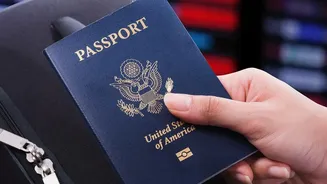
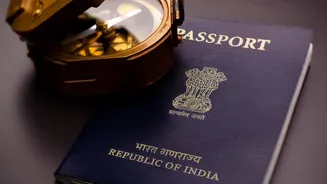
Before you book a single flight, your first step is to handle the essential paperwork. Check your passport's expiration date. Many countries require it to be valid for at least six months beyond your intended departure date and have a minimum number of
blank pages. If you don't have a passport or need a renewal, apply well in advance, as processing can take several months. Next, research the visa requirements for your destination based on your Indian passport. Some countries offer visa-free travel or visa-on-arrival, while others require a formal application process involving documents like flight itineraries, hotel bookings, and proof of funds. Keep digital and physical copies of your passport, visa, tickets, and hotel confirmations separate from the originals.
The Big Bookings: Flights and Hotels
With your documents in order, you can confidently book your main travel components. For the best prices, aim to book international flights two to six months in advance. When comparing options, look beyond the price and consider factors like layover times and arrival times that make your first day less stressful. Booking accommodation in advance is also wise, especially for a first trip, as it eliminates the stress of finding a place to stay upon arrival. A centrally located hotel can save you time and money on local transport. Before finalising, read recent reviews and confirm the amenities, such as Wi-Fi, which can be crucial for staying connected.
Money Matters: Forex and Budgeting
Managing money abroad is simpler than ever, but it requires some planning. Inform your bank about your travel dates to prevent them from flagging your international transactions as suspicious. For your spending money, a multi-pronged approach is best. Exchange a small amount of Indian Rupees for the local currency at an authorised dealer or your bank before you leave; this is useful for immediate expenses like taxis or snacks upon arrival. For larger expenses, a forex card or a credit/debit card with low or zero foreign transaction fees is a secure and convenient option. Always carry more than one payment card as a backup.
Health and Safety: Insurance and Well-being
Prioritising your health and safety provides peace of mind. Travel insurance is a non-negotiable for international trips. Many domestic health plans offer little to no coverage overseas, and foreign medical care can be extremely expensive. A good travel insurance policy covers medical emergencies, trip cancellations, delays, and lost baggage. Purchase a plan soon after making your first trip payment to maximize your coverage window. Additionally, check the health advisories for your destination for any recommended vaccinations. Pack a small first-aid kit with essentials like pain relievers, bandages, antiseptic wipes, and any personal prescription medications in their original packaging.
The Final Steps: Packing and Pre-Departure Checks
In the final days before your trip, focus on smart packing and last-minute arrangements. Pack light to make navigating airports and new cities easier. Use packing cubes to stay organised and roll your clothes to save space. Aside from weather-appropriate clothing, essentials include a universal travel adapter, a portable charger, and comfortable walking shoes. Pack all essential items like medications, documents, and chargers in your carry-on bag. A day or two before you leave, reconfirm your flights, charge all your electronics, and share your itinerary with a trusted contact back home. Finally, weigh your luggage to ensure it meets airline limits to avoid any last-minute stress at the airport.