
Batch cooking is a fantastic way to enjoy healthy, home-cooked vegetarian meals all week. But this time-saving strategy is only effective if the food is stored safely. Proper storage prevents bacterial growth and ensures your food remains delicious.
The Golden Rule: Cool Food Quickly
The
most critical step in food storage happens right after cooking. Never leave cooked food to sit at room temperature for more than two hours. This period is often called the 'danger zone' (between 4°C and 60°C), where bacteria can multiply rapidly. To cool food safely and quickly, divide large batches into smaller, shallow containers. This increases the surface area and allows heat to escape faster. You can also place the containers in an ice water bath and stir the food to accelerate cooling. Do not place piping hot food directly into the refrigerator, as it can raise the internal temperature of the appliance, putting other foods at risk. Wait until the food stops steaming before you refrigerate it.
Choose the Right Containers
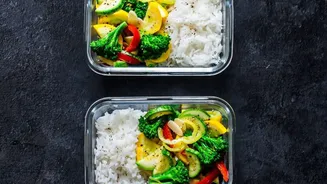
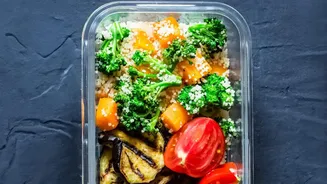
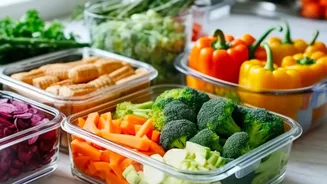
The right container can make all the difference in keeping your vegetarian meals fresh. Glass containers are an excellent choice as they don't absorb stains or odours, and many are oven, microwave, and freezer safe. This allows you to reheat food in the same dish. High-quality, BPA-free plastic containers are a lighter and less fragile alternative, but ensure they are marked as safe for freezer and microwave use. For both types, airtight lids are non-negotiable. They lock out air and moisture, which are primary contributors to spoilage, and prevent leaks. For freezing soups, stews, or dals, consider specialised freezer-safe trays that create portioned blocks, which can then be transferred to freezer bags to save space.
Refrigerator Realities: 3-4 Day Rule
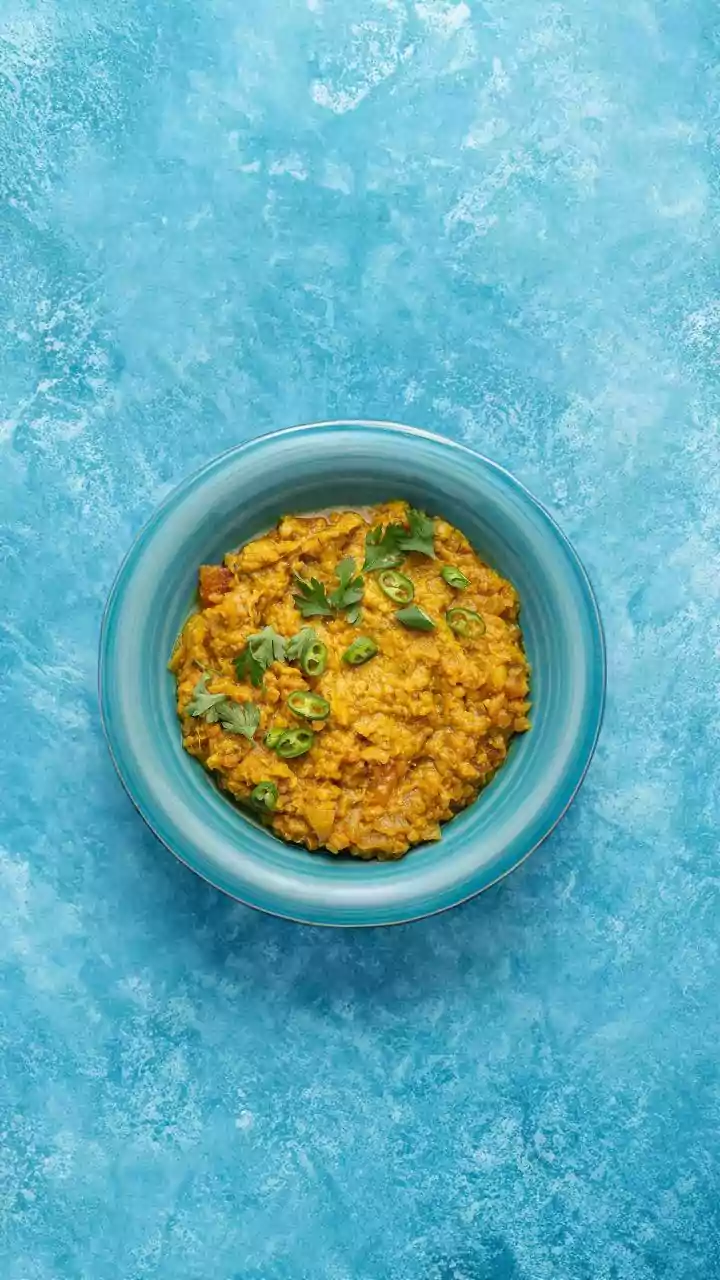
For meals you plan to eat within a few days, the refrigerator is your best friend. As a general rule, most cooked vegetarian dishes, including dals, sabzis (vegetable preparations), and lentil soups, can be safely stored for 3 to 4 days. Cooked rice is best consumed within three days. Some vegetables with high moisture content, like spinach or zucchini, may become watery or slimy faster and should be eaten within a day or two. When storing, always use clean containers and utensils to avoid cross-contamination. It's also wise to reheat only the portion you intend to eat, rather than heating and cooling the entire batch multiple times, which can encourage bacterial growth.
Your Freezer : The Long - Term Solution
The freezer is perfect for storing meals beyond the 3 - 4 day refrigerator window. Many vegetarian dishes freeze exceptionally well. Soups , stews , dals , and bean - based curries are ideal candidates. Veggie burgers and falafel can also be frozen ; for best results , freeze them individually on a tray before bagging them to prevent sticking. However , not all foods are freezer - friendly. Dishes with a high water content , like cucumber and leafy salads , will become limp and soggy upon thawing. Cream - based or yogurt - based curries can sometimes separate , and while still safe to eat , their texture might change. For best quality , aim to use your frozen meals within three months.
The Art of Safe Reheating
Properly reheating food is just as important as storing it correctly. The goal is to bring the food to a safe internal temperature to kill any potential bacteria. Whether using a microwave or a stovetop , ensure your leftovers reach an internal temperature of at least $74$°C ( $165$°F) . When reheating sauces , soups , and gravies , bring them to a rolling boil . If using a microwave , cover the food to retain moisture and ensure even heating , stirring it midway through the process . Never use a slow cooker to reheat food , as it won't heat the food quickly enough to be safe . Finally , never reheat leftovers more than once ; discard any food that has been reheated but not eaten .