

The Squeeze of Urban Living
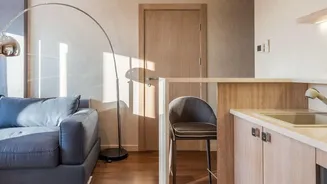
It’s no secret that apartments in major Indian cities are getting more compact. With property costs soaring, the average square footage available to young renters is shrinking, making traditional, bulky furniture impractical. This is the primary driver
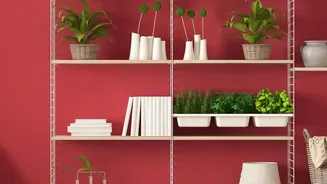
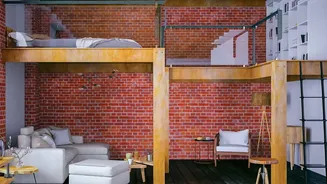
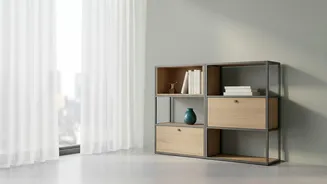
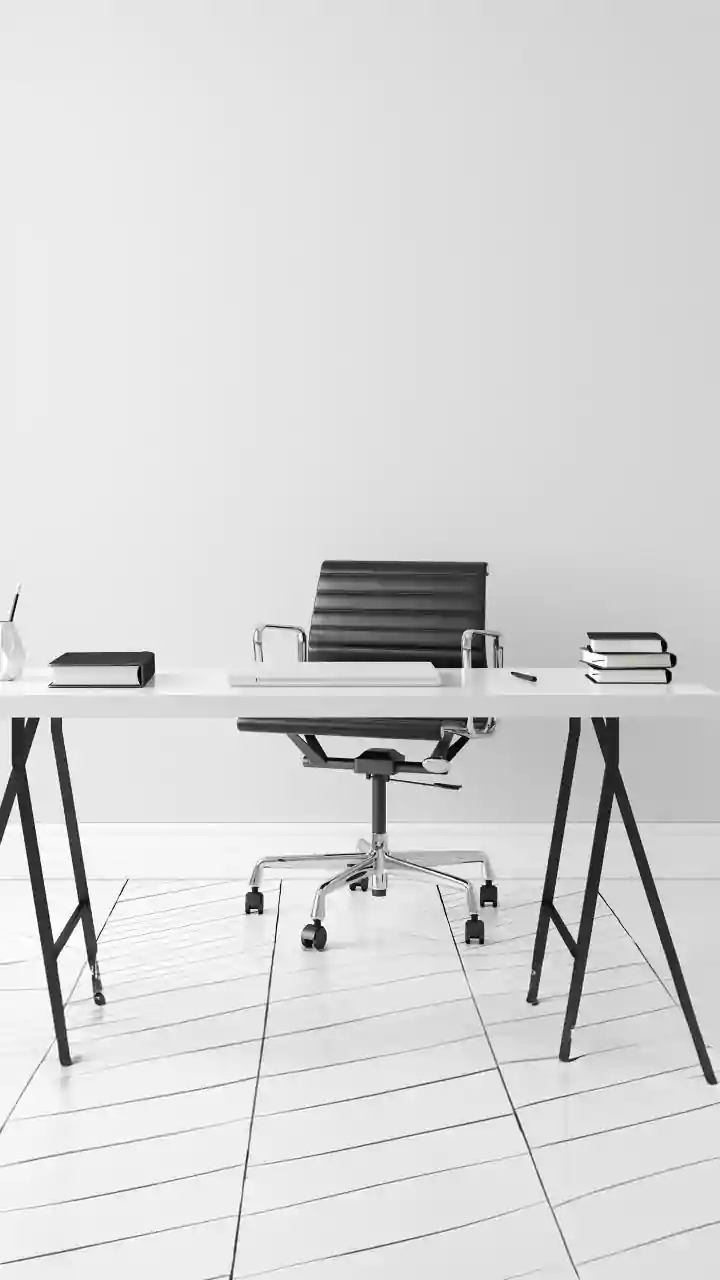
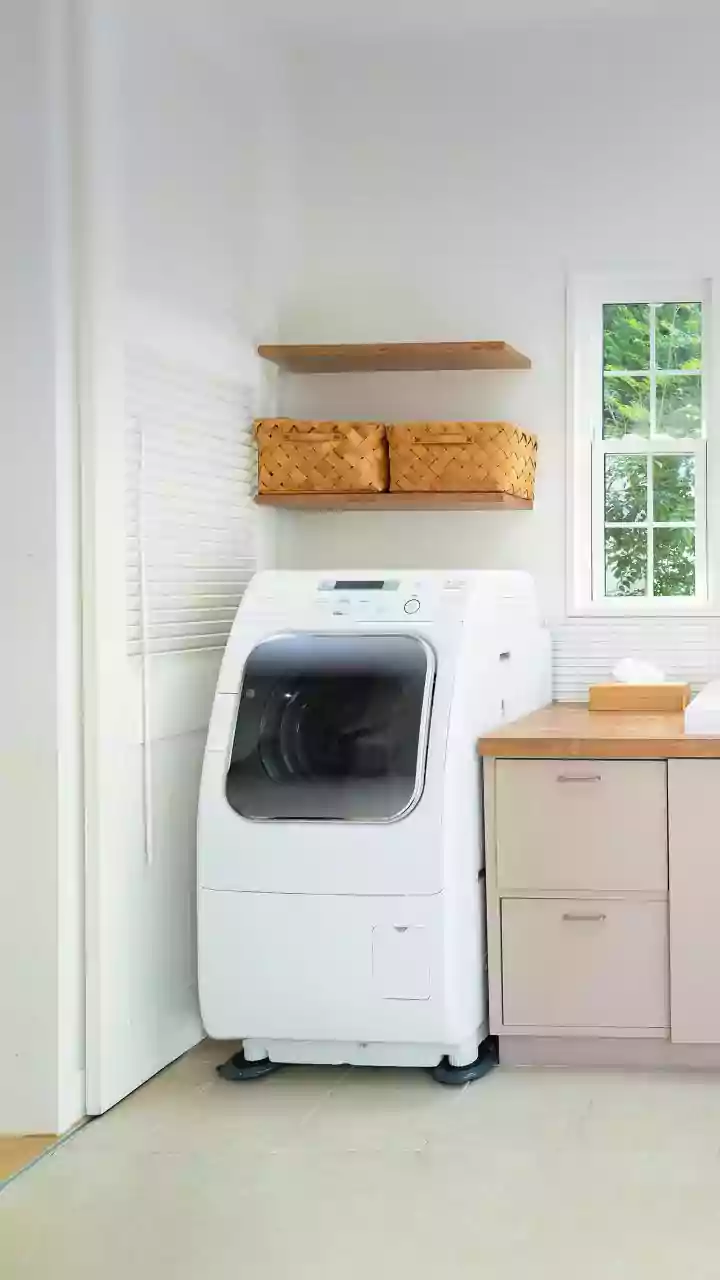
behind the modular boom. These pieces are designed specifically for space efficiency, transforming tight corners and small rooms into functional, uncluttered areas. Think wall-mounted desks that fold away, beds with hydraulic-lift storage, and sleek wardrobes with sliding doors that don't eat up floor space. The goal is to maximize every inch, a necessity when your living room also has to function as a workspace and occasional dining area.
Flexibility for a Life in Motion
The millennial and Gen Z workforce is defined by mobility. Many young professionals move cities for new jobs or simply upgrade apartments every few years. This transient lifestyle makes investing in heavy, permanent furniture a logistical and financial burden. Modular pieces, on the other hand, are built for change. They can be easily disassembled, moved, and reconfigured to fit a new floor plan. A large L-shaped sofa in one apartment can be broken down into a smaller couch and an armchair in the next. This adaptability is perfect for renters who need their belongings to be as flexible as their career paths.
The Smart Economics of Modularity
While some modular systems can have a higher initial cost than standalone traditional pieces, they often prove more economical in the long run. The ability to build a collection piece by piece allows renters to manage their budgets more effectively, buying only what they need, when they need it. If a part gets damaged, you can often replace just that single module instead of the entire unit, saving significant money. Furthermore, since this furniture moves with you, it eliminates the need to sell old pieces at a loss and buy new ones with every relocation, making it a sound long-term investment for a generation that values practicality.
Curating a Personalised, Stylish Space
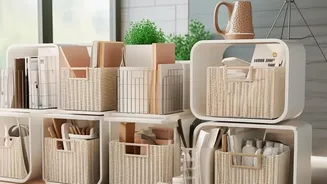
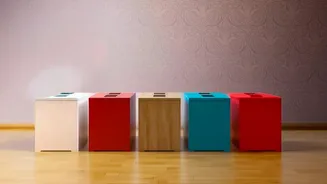
Beyond pure function, aesthetics play a huge role. Young renters want their homes, however temporary, to reflect their personal style. Modular furniture offers a level of customisation that traditional pieces often can't match. With a wide variety of finishes, fabrics, and configurations, it’s easier to create a unique, curated look that feels intentional rather than inherited. The clean lines and minimalist aesthetic common in modular design also align with current interior trends that favour uncluttered, warm, and personalised spaces. It empowers renters to move beyond generic decor and put their own stamp on their home.