




The New Green in the Cafeteria
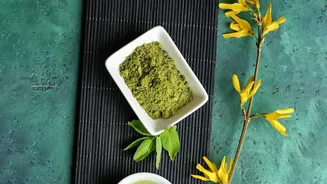
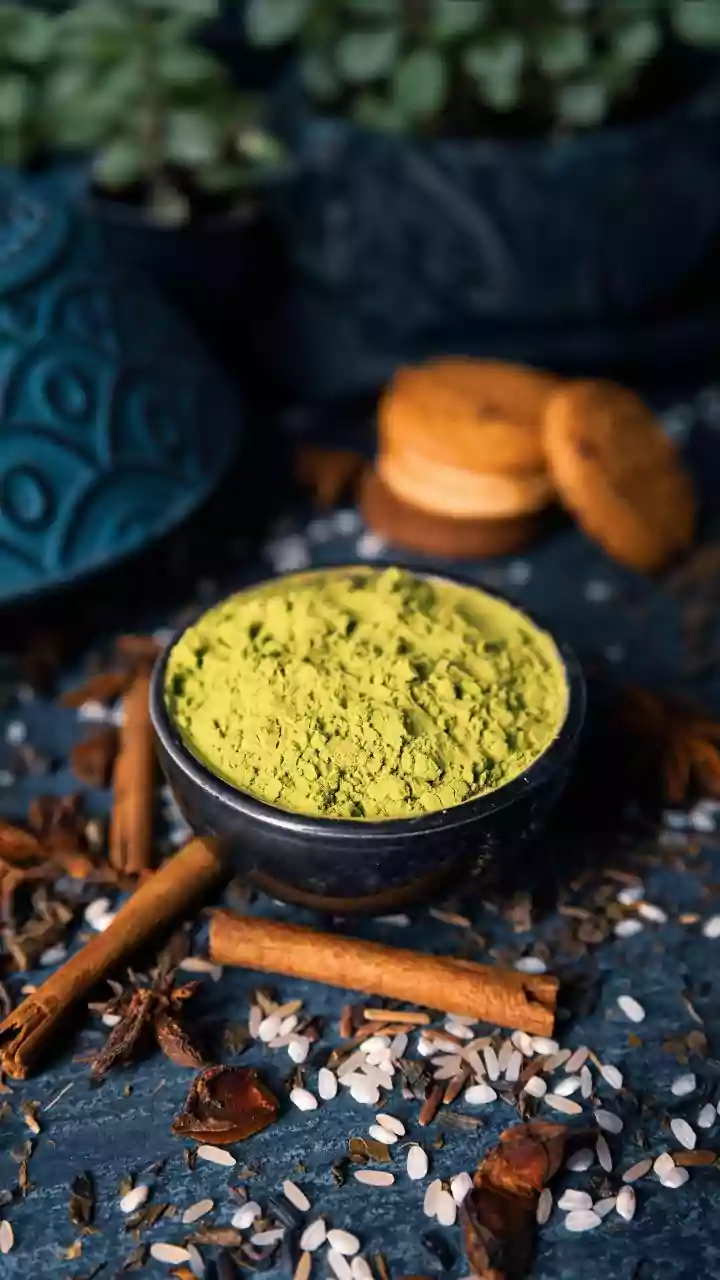
Move over, filter coffee and chai. A new beverage is gaining ground in the high-pressure environments of India's tech corridors in cities like Bengaluru, Gurugram, and Hyderabad. Matcha, a finely ground powder of specially grown and processed green tea
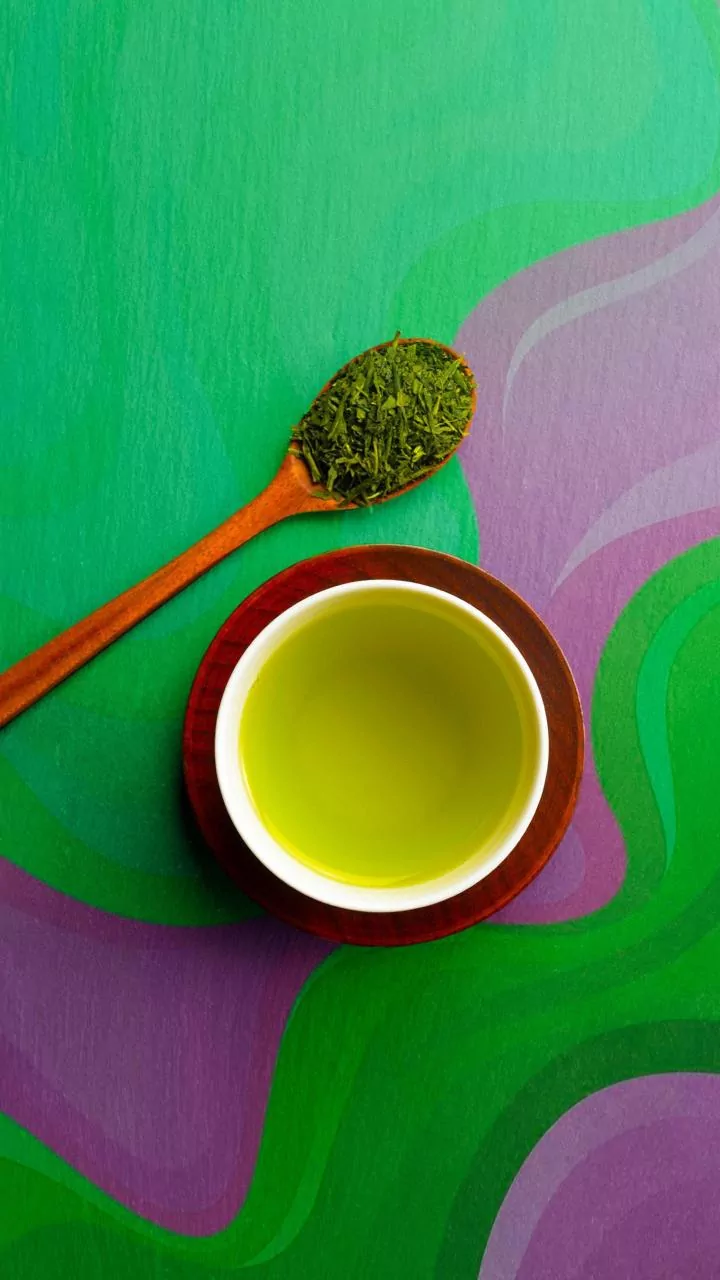
leaves, is emerging as the go-to drink for professionals seeking to beat the afternoon fog. Unlike a standard tea bag, matcha involves consuming the entire leaf, delivering a more potent mix of nutrients. Recent Google Trends data highlights a massive spike in interest, with searches for "how to make matcha" in India surging by 1,300% over the past year. This trend signals a shift from café curiosity to a genuine lifestyle change, with many now investing in their own matcha whisks and bowls to perfect the ritual at home.
The Science of Calm Alertness
So, what’s the secret behind matcha’s appeal? It lies in a unique chemical pairing. Matcha contains caffeine, but it also has high levels of an amino acid called L-theanine. While caffeine is a stimulant that blocks adenosine receptors to make you feel awake, L-theanine promotes relaxation without causing drowsiness by increasing calming neurotransmitters. This combination produces a state often described as "calm alertness." Instead of the sharp spike and subsequent crash associated with coffee, matcha provides a smoother, more sustained release of energy over several hours. This makes it ideal for tasks requiring deep concentration, like coding, writing, or analysis, where jitters and anxiety can be a hindrance.
Why Tech Hubs Are Leading the Charge
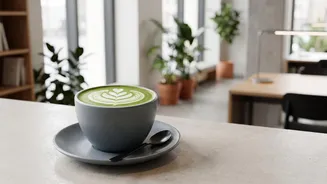
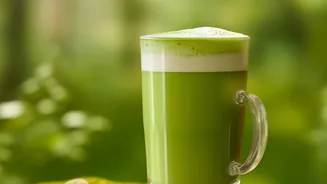
The adoption of matcha is particularly strong in the tech world, a sector defined by its relentless pursuit of productivity and optimization. For tech professionals, managing energy levels is crucial for navigating long hours and complex problem-solving. Matcha offers a solution that aligns perfectly with the industry's growing focus on employee wellness as a performance enhancer. It's seen as a 'bio-hack' for the brain—a way to improve cognitive function and maintain focus naturally. This trend is part of a larger movement towards functional beverages, where consumers expect their drinks to provide benefits beyond simple hydration or taste. Cafés in tech-heavy areas like Bengaluru have responded, with many offering everything from traditional matcha shots to inventive creations like mango matcha lattes and matcha-infused desserts.
A Ritual for the Modern Worker
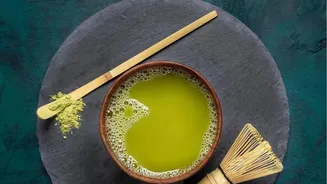
The appeal of matcha isn't just chemical; it's also ceremonial. The traditional preparation involves sifting the powder and whisking it with hot water in a specific 'W' motion using a bamboo whisk, known as a 'chasen'. For many, this brief ritual offers a mindful pause in a hectic workday. It's a moment of deliberate action that contrasts sharply with the instant gratification of an espresso shot or a vending machine coffee. This focus on process and intention resonates with a workforce increasingly grappling with burnout and seeking moments of calm. The aesthetic appeal of the vibrant green drink, often served in handcrafted bowls, also makes it a highly shareable and visually appealing part of the daily routine.
Is Matcha a Magic Bullet for Productivity?
While the benefits are compelling, matcha isn't a universal solution. The taste, often described as grassy or 'umami,' can be an acquired one. Furthermore, high-quality ceremonial-grade matcha, which contains the most L-theanine, can be significantly more expensive than coffee. A single matcha latte in a specialty café can cost anywhere from ₹250 to over ₹500. However, for a growing number of professionals, the investment is worthwhile. They report better focus, less anxiety, and the absence of the dreaded afternoon energy slump. As the culture of work continues to evolve, so too will the rituals we use to power through it. For now, matcha is proving to be a potent and popular new tool in the quest for sustained, calm productivity.