



An Unfiltered Cultural Museum
Tourist attractions are a performance. They are curated, polished, and designed to show a country's best, most marketable self. A local supermarket, however, has a different job. It’s not trying to impress visitors; it’s there to serve the daily, unglamorous
needs of the people who live there. This is precisely what makes it so fascinating. Every aisle is a living exhibit on local life, tastes, and priorities. You’re not just a tourist; you are a temporary participant in the everyday rhythm of a community, observing what people actually eat on a Tuesday night rather than what a travel guide recommends.
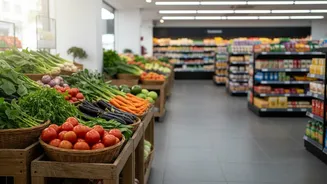
The Story Told by the Produce Section
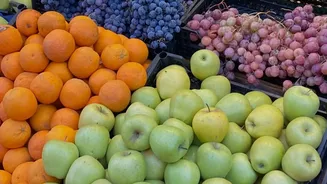
You can learn more from the fruit and vegetable section than from many guidebooks. In places like Japan, you might find single strawberries or perfect melons packaged like luxury jewels, revealing a deep cultural value placed on quality and presentation. In contrast, markets in Thailand or Vietnam might have overflowing piles of fresh herbs and exotic fruits, showcasing a cuisine deeply integrated with fresh, daily ingredients. The produce section tells a story about the local climate, agricultural economy, and how connected people are to the seasons. What's abundant and cheap versus what's rare and expensive paints a clear picture of what the land provides and what the culture values.
Decoding Life Through Snacks and Staples
To understand a culture's comfort and nostalgia, head to the snack aisle. This is where you’ll find a nation's collective childhood memories, from the spicy candies of Mexico to the uniquely flavoured KitKats of Japan. The sheer variety of instant noodles in South Korea or the endless shelves of pasta shapes in Italy tell you about core dietary staples. Even the prevalence of certain brands offers a lesson in globalization versus local pride. You can see which international brands have taken over and which countries fiercely protect their own food identity.
Convenience Foods and Work-Life Balance
The ready-to-eat and frozen food sections are surprisingly insightful, offering a glimpse into the local work culture and pace of life. In countries known for long working hours and dense urban living, like Japan or South Korea, convenience stores and supermarket ready-meals are often highly sophisticated and of excellent quality, integrated seamlessly into daily routines. In other regions, a smaller convenience section might suggest a culture that prioritizes home cooking and slower, more frequent shopping trips, as is common in many Mediterranean countries. What people eat when they are short on time speaks volumes about their daily pressures and priorities.
The Real Cost of Living
Tourist zones can create a distorted perception of a country's economy, with prices inflated for visitors. A grocery store shows you the reality. The cost of basics like eggs, bread, milk, and rice reveals the true cost of living and what daily budgeting looks like for a local family. It grounds your travel experience in economic reality, moving it beyond a postcard-perfect vacation. This is often the moment when a destination stops feeling like a temporary fantasy and starts feeling like a real place, with real people navigating their daily lives.