



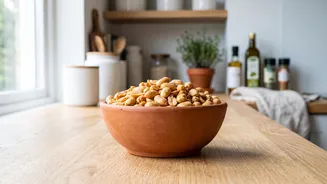

The Promise in a Nutshell
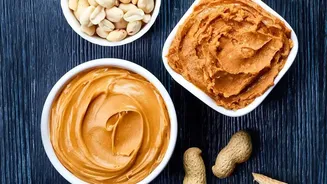
For years, nutritionists and health experts have pointed to the benefits of nuts for overall health. Peanuts, though technically legumes, are often celebrated for their rich nutritional profile. They are packed with heart-healthy monounsaturated fats,
protein, fiber, and important micronutrients like niacin and vitamin E. They also contain bioactive compounds like polyphenols and resveratrol, which are antioxidants believed to fight inflammation and oxidative stress in the body, including in the brain. This combination of nutrients is why scientists have hypothesized that regular peanut consumption could play a protective role in brain health as we age, potentially slowing down cognitive decline.
Decoding the Maastricht Study
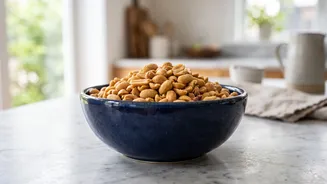
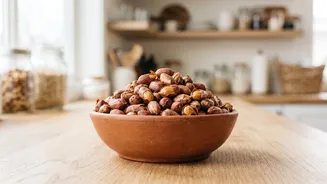
The research grabbing headlines comes from Maastricht University in the Netherlands. In a well-designed study, researchers looked at 31 healthy adults aged 60 to 75. The trial was a randomized, controlled crossover study, which is a strong design. Participants consumed 60 grams (about two servings) of unsalted, skin-roasted peanuts daily for 16 weeks. They also had a 16-week control period where they ate no peanuts. An eight-week 'washout' period separated the two phases. Throughout the study, scientists used advanced techniques like MRI scans to measure cerebral blood flow (CBF) and a battery of standardized cognitive tests to assess different aspects of brain function.
The Positive Findings: Blood Flow and Verbal Memory
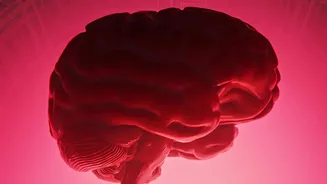
The study did yield some significant positive results. After 16 weeks of eating peanuts daily, participants showed a 3.6% increase in global cerebral blood flow and a 4.5% increase in blood flow to the brain's gray matter. Blood flow is crucial as it delivers the oxygen and nutrients essential for brain cells to function properly. This improved circulation was particularly noticeable in the frontal and temporal lobes, areas vital for memory. Correspondingly, the researchers observed a specific cognitive improvement: a 5.8% enhancement in verbal memory. This meant participants could correctly recall about 1.4 more words in a delayed memory test. Additionally, the peanut intervention was linked to a notable decrease in systolic blood pressure.
Where the Benefit Wasn't Clear
This is where the headline's nuance comes in. While verbal memory saw a boost, the benefits did not extend to all cognitive functions tested. The study found no significant beneficial effects on other domains, such as executive function (which involves planning and problem-solving) or psychomotor speed (reaction time). This is a critical detail. It suggests that while peanuts may influence specific neural pathways related to blood flow and verbal recall, they do not act as a universal booster for all cognitive abilities. Another study from 2021 focusing on younger adults also found mixed results, with some memory improvements noted but not consistently across all tests. This highlights that the cognitive effects of peanuts might be highly specific rather than a broad-spectrum enhancement.
So, What Does This Mean for You?
These findings don't mean you should dismiss peanuts, but they do caution against viewing any single food as a magic bullet for brain health. The improvement in blood flow and verbal memory is a promising finding, suggesting that regular consumption of skin-roasted peanuts can be a positive part of a brain-healthy diet. The key takeaway is that the benefits are specific, not universal. Factors like using unsalted, skin-on peanuts are also important, as the skins contain many of the beneficial polyphenols. The study also showed that these benefits came from consistent, long-term consumption.
Beyond Peanuts: The Bigger Picture of Brain Health
Ultimately, protecting your cognitive health as you age is about your overall lifestyle, not just one dietary tweak. Experts agree that a holistic approach is most effective. This includes a balanced dietary pattern, such as the Mediterranean diet, which is rich in fruits, vegetables, whole grains, and healthy fats from sources like nuts and olive oil. Regular physical activity, getting enough quality sleep, managing stress, and staying socially and mentally engaged are all cornerstones of maintaining brain function over the long term. Peanuts can certainly be a delicious and nutritious part of that larger strategy, but they are just one piece of a much larger and more complex puzzle.