

The End of the ‘Either/Or’ Dilemma
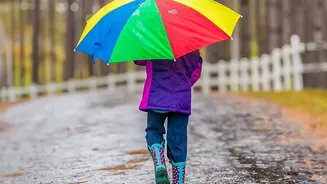
For decades, Indian consumers faced a frustrating choice in monsoon footwear: clunky, unattractive gumboots that offered excellent grip but zero style, or stylish sandals and flats that turned into hazardous slip-n-slides on wet pavement. This 'either/or'
dilemma meant sacrificing either safety or aesthetics. The 2026 footwear landscape, however, signals the end of this compromise. Brands are now engineering products that fuse fashion with function. This shift is driven by a growing consumer demand for versatile, all-in-one solutions that transition seamlessly from a rainy commute to a day at the office or a casual evening out. Comfort has become a primary driver of purchases, pushing manufacturers to innovate beyond basic water resistance.
Material Science is the Real Hero
The secret behind this evolution lies in advanced materials. Traditional PVC and basic rubber are making way for sophisticated compounds that offer a superior experience. Materials like high-quality EVA (Ethylene Vinyl Acetate), specialized synthetic rubber blends, and neoprene are becoming standard. These materials are not only fully waterproof but also significantly lighter, preventing the foot fatigue associated with heavy, water-soaked shoes. Furthermore, innovations in waterproof yet breathable membranes, once reserved for high-end hiking boots, are now appearing in everyday footwear. This technology allows air to circulate and keeps feet from feeling sweaty and trapped, a common complaint with older rainwear designs.
Grip Gets a Much-Needed Upgrade
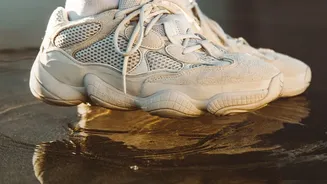
Arguably the most critical factor in monsoon footwear is grip, and here the advancements are most tangible. Sole technology is no longer an afterthought. Drawing inspiration from performance athletic shoes and even car tires, designers are focusing on two key aspects: the rubber compound and the tread pattern. Softer rubber compounds provide better adhesion on slick surfaces like wet tiles and tar roads, while harder compounds offer greater durability. The 2026 trend sees brands developing proprietary blends that strike an optimal balance. Tread patterns have also become more intelligent. Instead of simple lines, new outsoles feature deep grooves, multi-directional lugs, and micro-siping—tiny cuts that channel water away from the point of contact, preventing hydroplaning and ensuring the sole maintains its grip on the ground.
From Niche to Mainstream: The Comfort Revolution
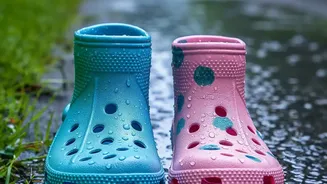
The current footwear trend prioritises all-day comfort, and monsoon collections are no exception. Styles like clogs, cushioned slides, and flatforms are gaining immense popularity because they combine practical materials with ergonomic design. Crocs and Birkenstock's water-friendly lines, once seen as purely functional, are now fashion staples that offer proven comfort and quick-drying properties. This focus on wearability extends to the construction of the shoe itself. Features like cushioned footbeds, flexible uppers that don't chafe, and lightweight builds are now expected, reflecting a broader market shift where footwear is judged on its ability to support a busy, modern lifestyle across all conditions.
Sustainability Finally Makes a Splash
The 2026 shift is not just about performance; it's also about conscience. There is a growing awareness of the environmental damage caused by disposable, low-quality plastic footwear that clogs drains and pollutes waterways. In response, many brands are incorporating sustainable practices into their monsoon lines. This includes using recycled PET bottles to create durable fabrics, sourcing natural rubber, and utilising innovative materials like Tencel (made from wood pulp) which is known for its quick-drying properties ideal for humid Indian monsoons. Consumers are increasingly choosing products that are built to last several seasons, reducing waste and aligning their purchases with their environmental values.