






More Than Just Decoration
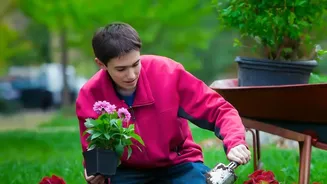
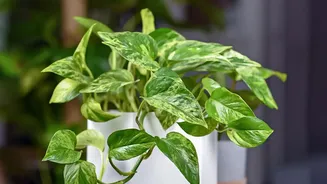
The modern Indian balcony garden is evolving beyond a few ornamental pots of money plant. There is a conscious shift towards creating curated, multi-purpose green spaces. Home gardeners are embracing biophilic design, using vertical planters, tiered stands,
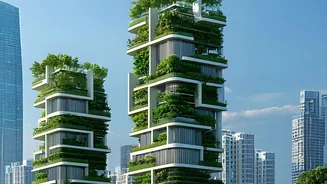
and railing pots to create lush, green walls that serve as a visual and emotional retreat from urban chaos. This trend is less about decoration and more about actively reclaiming a small piece of nature. It is a response to shrinking green spaces in cities, with many urban dwellers seeing their balcony as a personal escape and a way to combat air pollution and the urban heat-island effect.
A Sanctuary for the Mind
The boom in balcony gardening is deeply connected to a growing awareness of mental well-being. Tending to plants has been shown to lower cortisol, the body's stress hormone, while boosting serotonin and dopamine, the 'feel-good' chemicals in the brain. For many, the simple act of watering, pruning, and watching something grow provides a mindful break from screen-saturated lives and demanding work schedules. In cities like Bengaluru, Delhi, and Mumbai, where life can be fast-paced, these green nooks have become essential for mental clarity and stress relief, offering a sense of purpose and a quiet corner to unwind.
An Invitation for Wings and Whiskers
Perhaps the most exciting evolution is the deliberate cultivation of 'pollinator balconies'. Gardeners are moving beyond generic decorative plants and choosing species specifically to attract and support local wildlife. Nectar-rich flowers like hibiscus, marigold, zinnia, and pentas are being planted to draw in butterflies, while flowering herbs like tulsi and basil attract bees. Some are even adding shallow bowls of water with pebbles, creating safe drinking spots for birds and insects, especially during hot summers. The goal is to create not just a garden, but a functioning mini-ecosystem.
Planting with Purpose
The key to attracting wildlife is choosing the right plants. There is a growing movement towards using native species that local insects and birds are naturally adapted to. Plants like parijat, ixora, and various types of jasmine are popular choices. Even vegetable plants like tomatoes, chillies, and brinjal produce flowers that attract essential pollinators. One Delhi-based wildlife photographer, Aman Sharma, turned his terrace into a haven for over 100 bird and 25 butterfly species by planting a mix of host plants (for the butterfly life cycle), nectar-rich flowering plants, and fruit-bearing plants for birds. This three-pronged approach ensures the garden provides food, shelter, and breeding grounds.
A Network of Green Stepping Stones
While a single balcony garden may seem insignificant, their collective power is immense. Experts believe that a network of these green spaces can act as 'stepping stones' or corridors, allowing pollinators and birds to travel across fragmented urban landscapes. As rapid urbanisation replaces natural habitats with concrete, these interconnected balcony gardens provide crucial resources, helping sustain biodiversity. This collective effort, often supported by online gardening communities and tutorials, is helping to weave nature back into the fabric of Indian cities, one balcony at a time.