







The Big Number Isn't the Whole Story
When you look at a nutrition label, the protein content seems straightforward. It's listed in grams, a simple, measurable unit. However, this number often represents the total or 'crude' protein content. This figure is typically determined by measuring
the total nitrogen in the product, since all amino acids—the building blocks of protein—contain nitrogen. The problem is, this method doesn't distinguish between high-quality, complete proteins and lower-quality sources. It also doesn't account for how digestible that protein is, meaning what percentage of it your body can break down and absorb to repair tissues, build muscle, and support bodily functions.
Meet the Building Blocks: Amino Acids
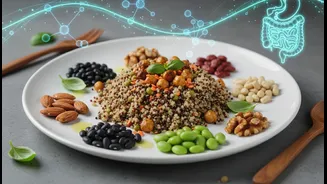
Proteins are made of long chains of amino acids. There are 20 different amino acids, but nine of them are considered 'essential' because your body cannot produce them on its own; they must come from your diet. A 'complete' protein source contains all nine of these essential amino acids in sufficient amounts. Animal-based proteins like whey, casein, eggs, and meat are generally complete and highly digestible. Plant-based proteins can be powerful, but many single sources are 'incomplete,' meaning they lack one or more essential amino acids. This is why you often see plant-based protein powders using a blend of sources, like pea and rice protein, to create a complete amino acid profile.
The Missing Metric: Bioavailability and Quality Scores
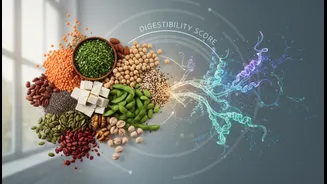
The true value of a protein lies in its bioavailability—how well your body can absorb and utilise its amino acids. Scientists use scoring systems to measure this, but you won't find them on most consumer labels. The older standard is the Protein Digestibility Corrected Amino Acid Score (PDCAAS), which rates proteins on a scale up to 1.0. A newer, more accurate method is the Digestible Indispensable Amino Acid Score (DIAAS), which is considered superior because it measures amino acid absorption in the small intestine and isn't capped, allowing for better differentiation between high-quality proteins. For example, while whey and soy protein have similar PDCAAS scores, their DIAAS scores reveal a significant difference in quality, with whey scoring much higher.
The Deceptive Practice of 'Protein Spiking'
The focus on raw protein content has led to a deceptive practice in the supplement industry known as 'amino spiking' or 'nitrogen spiking'. This is when manufacturers add cheap, non-essential amino acids like glycine or taurine to a protein powder. These additions increase the product's total nitrogen content, which makes the protein reading appear higher in standard lab tests. However, these added amino acids do not contribute to muscle protein synthesis in the way that complete proteins do. Consumers end up paying for a premium product but receive something with a lower effective protein content. Reading the ingredient list for added individual amino acids can be a red flag.
How to Be a Smarter Protein Consumer
Without quality scores on labels, making an informed choice requires a bit of detective work. First, prioritise whole food protein sources like lean meats, fish, eggs, and dairy. When choosing supplements, look for products with high protein efficiency—where the grams of protein are close to the total serving size in grams. For plant-based users, opt for blends that combine different sources (e.g., pea and rice) to ensure a complete amino acid profile. Be wary of proprietary blends that don't disclose the amount of each protein and check for third-party certifications, which verify that what's on the label is what's in the container.