






The Blueprint: Ude Desh ka Aam Naagrik
The driving force behind this transformation is the government's Regional Connectivity Scheme (RCS), better known as UDAN (Ude Desh ka Aam Naagrik). Launched in 2016, its core mission is to make flying affordable and accessible to the common citizen by
connecting unserved and underserved airports. The model works through a combination of subsidies and incentives. Airlines are offered Viability Gap Funding (VGF) to bridge the financial gap on less profitable regional routes, in exchange for capping fares on a portion of seats. In March 2026, the Union Cabinet approved a modified, ten-year extension of the scheme, signaling a long-term commitment to this vision with an outlay of over ₹28,000 crore. This renewed focus aims to develop infrastructure and ensure operational support for airlines venturing into these new markets.
An Unprecedented Scale of Development
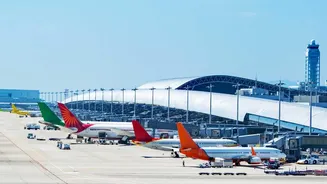
The numbers behind this expansion are staggering. Since 2014, India's airport count has more than doubled, growing from 74 to 166 as of September 2026. The government plans to build another 100 airports over the next decade with an investment of approximately ₹30,000 crore. This next phase is not just about adding runways; it’s a strategic push into Tier-2 and Tier-3 cities, Himalayan states, remote regions, and island territories where air travel has been a distant dream. The plan includes developing existing unserved airstrips, modernising facilities, and even building 200 modern helipads to improve last-mile connectivity in the toughest terrains. This aggressive timeline has seen the country complete work on a new airport or terminal roughly every 40 days over the past several years.
More Than Just Flights: The Economic Ripple Effect
Bringing a new city onto the aviation map does far more than just enable travel. Airports act as economic engines, creating a powerful ripple effect. The construction phase itself generates thousands of direct and indirect jobs. Once operational, an airport fuels growth in hospitality, logistics, and local manufacturing. For cities like Dehradun, Surat, and Ranchi, improved air connectivity has already led to a noticeable increase in tourism and investment. It makes these regions more attractive for businesses looking to expand beyond saturated metro markets, boosting commercial activity and even the real estate sector. This integration into the national economy helps foster balanced regional development, providing new opportunities for trade and employment.
Navigating the Headwinds and Challenges
Despite the ambitious vision, the path to full regional connectivity is not without its challenges. The primary hurdle is ensuring the commercial viability of routes once the initial three-year subsidy period under UDAN ends. Past data shows that a significant number of awarded routes have struggled to sustain operations. Airlines face high operating costs in remote areas, including expenses for fuel and maintenance, which can make routes unprofitable without sustained passenger demand. Furthermore, simply building an airport is not enough. Ensuring last-mile connectivity from the airport to the city center, developing skilled aviation manpower, and creating a supportive local business ecosystem are all crucial for long-term success. The challenge is shifting from simply building infrastructure to making that infrastructure commercially sustainable.