




In the world of healthy eating, quinoa and lentils are both superstars. They are staples in kitchens across India for their versatility and health benefits. But when you look past the basics, how do they stack up on a micronutrient level?
The Contenders: A Seed and a Legume
First, let's
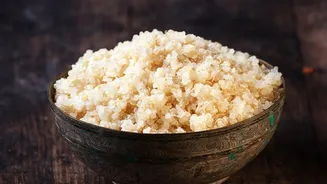
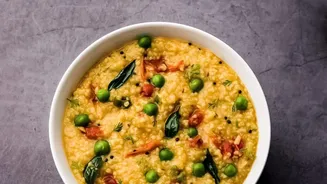
clarify what we're comparing. Quinoa is often mistaken for a grain, but it's technically a 'pseudocereal' — a seed that's cooked and eaten like a grain. It's famous for being one of the few plant-based foods that is a complete protein, meaning it contains all nine essential amino acids. Lentils, on the other hand, are part of the legume family, which also includes beans and chickpeas. A cornerstone of Indian cuisine, from dal to soups, lentils are praised for their high fibre and protein content. Per 100 grams cooked, their calorie counts are very similar, with lentils at around 116 calories and quinoa at about 120.
The Iron and Magnesium Battle
Iron is a mineral vital for transporting oxygen in your blood, and a deficiency can lead to fatigue. In this category, lentils are the clear winner. A 100-gram serving of cooked lentils provides about 3.3 mg of iron, which is more than double the 1.5 mg found in the same amount of quinoa. This makes lentils an excellent choice for vegetarians and vegans looking to boost their iron intake. However, when it comes to magnesium, quinoa takes the lead. Magnesium is crucial for muscle function, nerve health, and energy production. Quinoa offers roughly 64 mg of magnesium per 100g, while lentils contain about 36 mg. If you're focused on muscle recovery or managing stress, quinoa might have the edge.
The Folate and B-Vitamin Face-Off
Folate (a B-vitamin) is essential for cell growth and DNA formation, making it particularly important during pregnancy. Here again, lentils are the undisputed champion. A 100g serving of cooked lentils can deliver a massive 181 mcg of folate. Quinoa also contains folate, but in significantly smaller quantities. Both foods are good sources of other B-vitamins like Thiamin (B1), but lentils generally provide higher amounts across the B-vitamin spectrum, including B6 and niacin. For anyone looking to increase their intake of these vital nutrients, lentils are the superior option.
Zinc, Potassium, and Phosphorus
The mineral comparison continues to show a split decision. Lentils are an excellent source of potassium, offering more than twice the amount as quinoa, which is important for regulating blood pressure. Lentils also slightly edge out quinoa in copper. Conversely, quinoa generally provides more zinc, phosphorus, and manganese. Zinc is vital for a healthy immune system, while phosphorus is key for building strong bones and teeth. Manganese is an important antioxidant enzyme activator. Your choice here really depends on which specific mineral gaps you are trying to fill in your diet.
While our focus is on micronutrients, the protein and fibre story is too important to ignore. Lentils offer more protein and fibre per serving. A 100g serving of cooked lentils has about 9 grams of protein and nearly 8 grams of fibre. Quinoa has around 4.4 grams of protein and 2.8 grams of fibre for the same amount. However, quinoa's protein is 'complete', containing all essential amino acids, which is rare for a plant food. Lentils are low in certain amino acids, but this is easily solved by pairing them with a grain like rice — a classic combination in Indian meals for a reason. The significantly higher fibre content in lentils makes them a powerhouse for digestive health and blood sugar control.