




Why Go Low-Impact?
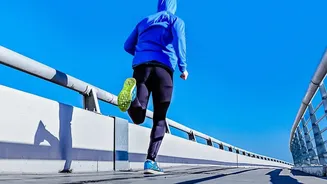
Low-impact cardio is defined by exercises where you always keep at least one foot on the ground, or where your body is supported, such as in water or on a machine. This approach minimizes the stress and jarring forces on your joints, particularly your knees,
hips, and ankles. It's an excellent choice for individuals with arthritis, those recovering from injuries, or anyone looking to build a sustainable fitness routine that protects their body long-term. Despite being gentle on the joints, these workouts are highly effective at elevating your heart rate, which strengthens your cardiovascular system, improves circulation, and helps manage everything from blood pressure to cholesterol.
Swimming: A Full-Body Workout
Often called the perfect exercise, swimming provides a full-body workout with virtually no impact on your joints. The water's buoyancy supports your body weight, which can make it an ideal activity for people with joint pain or mobility issues. It's a powerful cardiovascular conditioner, training your body to use oxygen more efficiently, which can lower your resting heart rate and blood pressure over time. From your legs and core to your arms and back, swimming engages multiple muscle groups simultaneously, building both strength and endurance. Research suggests it's effective at improving circulation and strengthening the heart.
Cycling: Indoors and Out
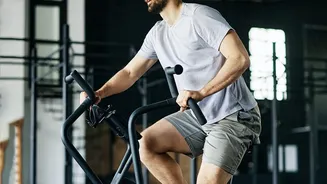
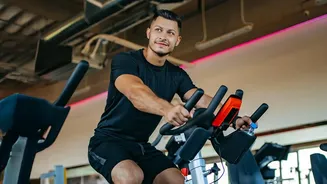
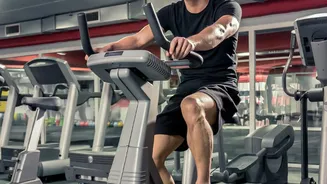
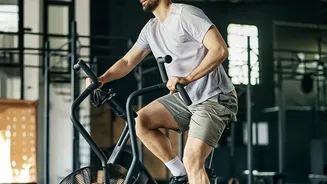
Whether on a stationary bike at the gym or on a path outdoors, cycling is a superb low-impact cardio option. Because the bike supports your body weight, it places very little stress on weight-bearing joints like the knees and hips, making it a great choice for those with arthritis. Regular cycling stimulates your heart, lungs, and circulation, reducing the risk of cardiovascular diseases. It strengthens the major muscles in your lower body, including the quadriceps and hamstrings, which can provide better support for your knees. For a safe and effective ride, ensure your bike is set up correctly, with the seat at a height that allows for a slight bend in your knee at the bottom of the pedal stroke.
The Elliptical Trainer: Smooth and Effective
The elliptical machine is a gym staple for a reason: it mimics the motion of running without the associated impact. Your feet remain on the pedals, moving in a smooth, gliding motion that's gentle on your joints. Studies have shown that when the effort level is matched, an elliptical can provide cardiovascular benefits comparable to running. Most machines feature moving handlebars, allowing you to engage your upper body for a more comprehensive workout. The adjustability of resistance and incline also lets you control the intensity, making it suitable for a wide range of fitness levels. For those who find running painful, the elliptical offers a way to maintain cardiovascular fitness without aggravating joint issues.
Brisk Walking: Simple and Accessible
Never underestimate the power of a good walk. Turning a casual stroll into a brisk walk transforms it into a highly effective form of cardio. The key is pace; you should be able to hold a conversation but not sing. Regular brisk walking is linked to significant improvements in heart health, including lower blood pressure and a reduced risk of coronary heart disease. One meta-analysis found that walking for 30 minutes five days a week was associated with a nearly 19% reduction in coronary heart disease risk. It’s accessible, requires no special equipment beyond a good pair of shoes, and can be easily integrated into your daily routine.
Rowing: Power in Every Stroke
A rowing machine, or ergometer, offers a seated, zero-impact workout that is incredibly efficient. The fluid motion engages up to 86% of your body's muscles, including the legs, core, back, and arms, delivering a true full-body workout. This high level of muscle engagement makes it excellent for raising your heart rate and improving cardiovascular fitness. Research suggests that rowing can improve cardiac output and may help lower 'bad' LDL cholesterol levels. Because the movement is low-impact, it's a great way to build strength and endurance without putting stress on your knees and ankles.