







The Dark Side of High Protein
When you focus solely on protein, especially from animal sources, it's easy to push fibre-rich foods like whole grains, legumes, and vegetables off your plate. This imbalance can quickly lead to uncomfortable digestive issues. Common complaints include
bloating, gas, and constipation. Without enough fibre to add bulk and moisture to stool, everything slows down in your digestive tract, causing discomfort and irregularity. In the long term, this imbalance can do more than just cause temporary issues. It can alter your gut microbiome, the community of trillions of bacteria living in your intestines.
What Happens in Your Gut
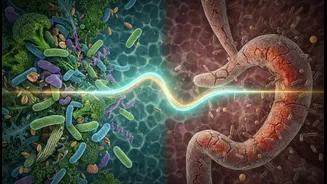
Think of your gut as a complex ecosystem. The bacteria within it need food to survive, and their preferred food source is dietary fibre. When you provide plenty of fibre, these beneficial bacteria ferment it into helpful compounds called short-chain fatty acids (SCFAs). These SCFAs nourish your colon cells, reduce inflammation, and support overall health. However, when fibre is scarce and undigested protein reaches the colon, a different kind of fermentation happens. Certain gut bacteria break down the protein, producing potentially harmful byproducts like ammonia and nitrosamines. This process can lead to an unhealthy shift in your gut microbiome, favouring less beneficial bacteria and potentially increasing the risk of colonic diseases over time.
Fibre: The Unsung Digestive Hero
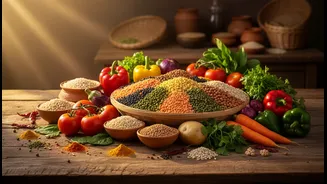
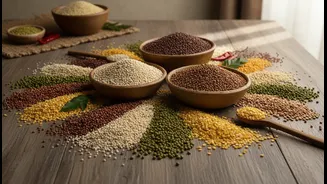
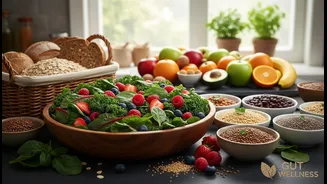
Fibre is the crucial counterweight to a high-protein diet. It doesn't just prevent constipation; it actively supports a healthy gut environment where protein can be managed effectively. Soluble fibre, found in oats, apples, and beans, slows down digestion. This helps you feel fuller for longer and promotes more stable blood sugar levels, complementing the satiety effect of protein. Insoluble fibre, found in whole grains and vegetables, acts like a broom, sweeping through your intestines and ensuring regular bowel movements. Together, they ensure your digestive system runs smoothly and that your gut microbiome remains diverse and robust. A high-fibre diet is consistently linked to a richer, more diverse microbiome, which is a key indicator of good gut health.
Finding the Right Balance: An Indian Context
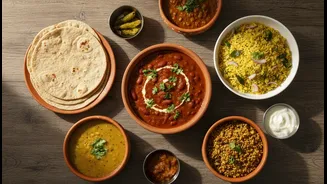
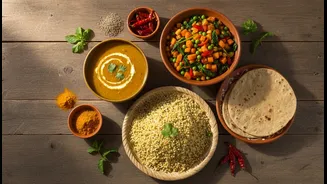
Fortunately, a traditional Indian thali is naturally designed for this balance. The key is to be mindful of your choices. A simple meal of dal and roti is a great start; the dal provides plant-based protein, while the whole-wheat roti offers fibre. To enhance this, add a generous serving of sabzi (vegetables) and a side of salad. Classic combinations like rajma or chole with brown rice are powerhouses of both protein and fibre. Sprouted moong salads, vegetable khichdi, and millets like jowar and bajra are other excellent options that provide a healthy mix of these essential nutrients. For non-vegetarians, pairing chicken or fish curry with plenty of vegetables and a whole-grain chapati ensures you're not neglecting fibre. Even snacks can be balanced: think roasted chana, a handful of nuts, or fruit with homemade dahi.
How Much Do You Really Need?
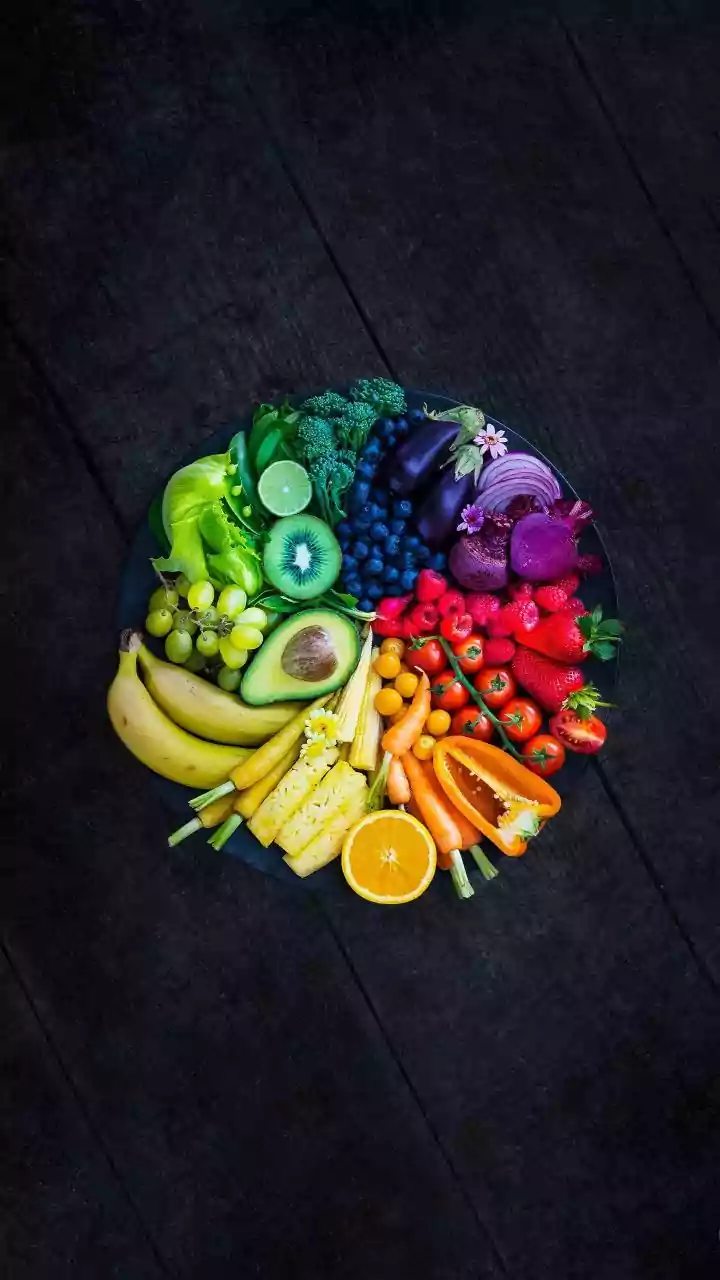
According to the Indian Council of Medical Research (ICMR), a healthy adult needs about 0.83 grams of protein per kilogram of body weight daily. For a 65 kg adult, this is about 54 grams. Those who are more active might need more, typically between 1.2 to 1.6 grams per kg. For fibre, the general recommendation is around 25-30 grams per day, a target many people miss. Instead of meticulously counting grams, focus on the plate. Aim to have a source of protein (dal, paneer, eggs, chicken), a good portion of fibre-rich vegetables, and a whole grain (roti, brown rice, millets) at every meal. This visual approach often works better than tracking numbers and builds sustainable, healthy habits.