







Smarter Gear, Bolder Climbs
The foundation of climbing’s evolution is technology. The gear that keeps climbers safe is becoming incredibly intelligent and efficient. For instance, new auto-belay systems in climbing gyms now use magnetic braking technology for a smoother, less jarring
descent, allowing for more dynamic and repetitive training without a human partner. This isn't just about convenience; it's about building endurance and confidence in a controlled environment. Ropes and harnesses are also seeing a revolution. Using advanced materials, manufacturers are creating gear that is significantly lighter and stronger, reducing the physical burden on climbers attempting long or difficult routes. Some new devices even incorporate digital integration, allowing climbers to track their ascents, measure forces, and analyse their movements. This fusion of tech and textile isn't just making climbing safer; it’s empowering athletes to push their physical limits and attempt routes that were once considered impossible.
The Olympic Effect Changes the Game
Nothing has injected more adrenaline into climbing than its inclusion in the Olympic Games. This global spotlight introduced millions to speed climbing, the sport’s most explosive discipline. Unlike traditional climbing, which is often a slow, meditative puzzle, speed climbing is an all-out vertical sprint up a standardised 15-metre wall. Athletes, looking more like track stars than mountaineers, fly up the wall in a blur of motion, with top times now dipping below five seconds. This fast-paced, easily understandable format has been a game-changer for viewership. It has transformed climbing’s public image from a niche pursuit into a high-stakes, spectator-friendly sport. This has a trickle-down effect, inspiring a new generation to focus on power and dynamic movement, and forcing even seasoned climbers to add a new skill set to their repertoire. The 'adrenaline upgrade' is literal here: it’s about pure, unadulterated speed.
More Power, Less Rope
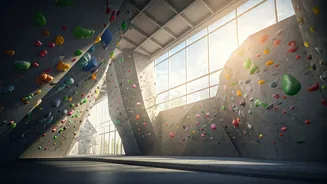
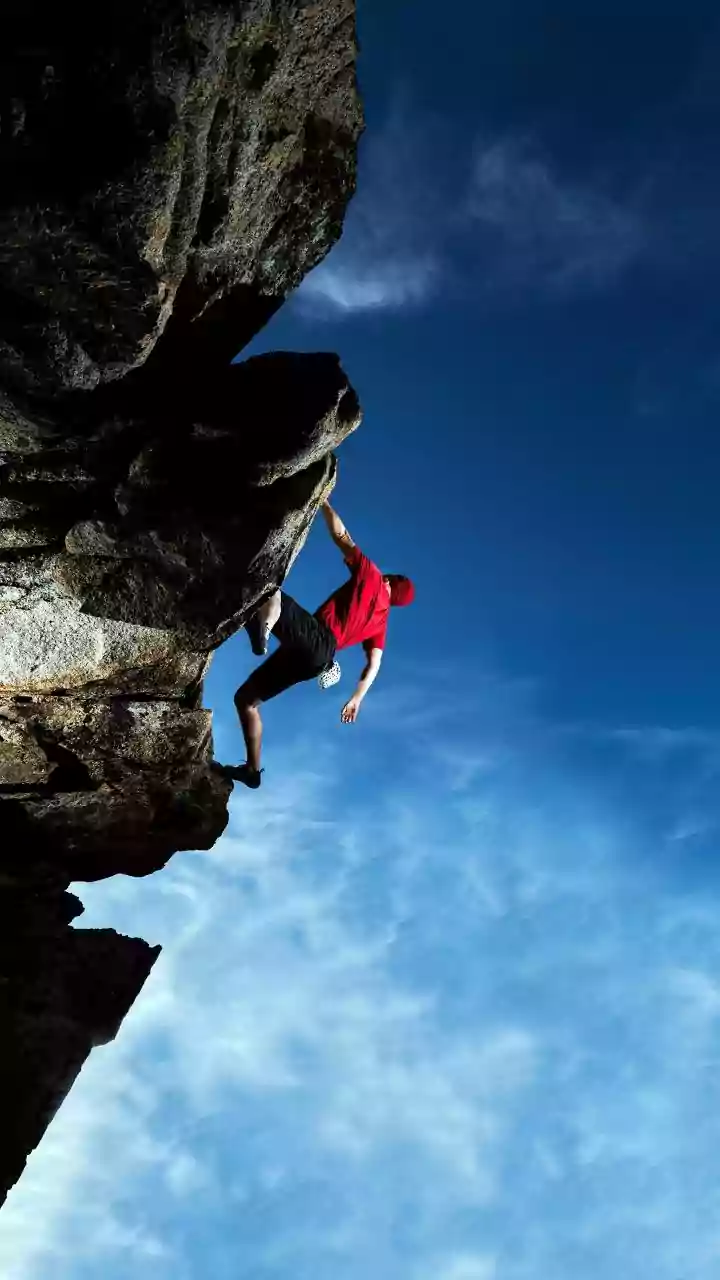
Perhaps the most significant cultural shift in climbing is the meteoric rise of bouldering. This discipline involves climbing on short rock formations or artificial walls, known as 'boulders', without the use of ropes or harnesses. Instead, safety is ensured by crash pads on the ground. Its appeal is multi-faceted. Bouldering is intensely physical, demanding explosive power, intricate technique, and creative problem-solving over short, difficult sequences. It’s also highly social. Without the logistical complexities of rope management, climbers can work on 'problems' together, sharing beta (information about a route) and cheering each other on. This has fuelled the explosion of bouldering-specific gyms, which often feel more like trendy fitness clubs with cafes, workout areas, and a vibrant community atmosphere. For many, bouldering is the perfect entry point into the sport: it requires minimal gear and provides an immediate sense of challenge and accomplishment.
India’s Climbing Scene Levels Up
These global trends are rapidly taking root in India, catalysing a domestic climbing boom. Major cities like Mumbai, Delhi, and Bengaluru now boast world-class indoor climbing facilities, complete with challenging bouldering areas and tall walls for sport climbing. These gyms are not just recreational spaces; they are becoming crucial training grounds for a new generation of Indian athletes aiming for the international stage. The accessibility of these urban centres means more people are discovering the sport and developing their skills. This growing community is also exploring and developing India’s vast outdoor climbing potential, from the iconic granite boulders of Hampi to the sandstone cliffs of Badami. The combination of modern training facilities and incredible natural landscapes means the Indian climbing scene is poised for huge growth, nurturing both professional athletes and a thriving community of weekend enthusiasts.