




A Break from the Digital Rush
We live in a state of digital saturation. An average professional can receive over 100 emails a day, and our attention is constantly pulled by notifications. Snail mail offers a quiet rebellion against this speed. The very act of choosing to write a letter
is a commitment to slowing down. Unlike a text that can be sent and forgotten in seconds, a letter requires time. This delay creates anticipation, turning communication into an event rather than an instantaneous transaction. This growing desire for a break from screen fatigue is a significant driver behind the revival of analog hobbies, from vinyl records to journaling and letter writing.
The Power of a Tangible Connection
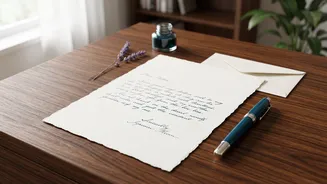
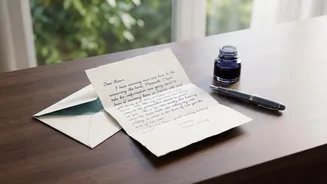
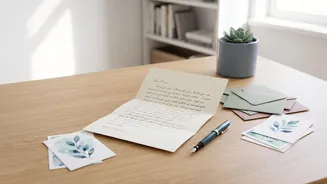
A handwritten letter has a physical presence that a digital message lacks. You can hold it, reread it, and keep it for years as a tangible memory. This physical connection is powerful. The effort is visible — in the choice of paper, the ink on the page, and the unique quirks of someone's handwriting. This personal touch communicates care and emotional weight in a way that uniform fonts on a screen cannot replicate. In an era where AI-generated content is becoming more common, a handwritten note serves as proof of human effort and authenticity.
An Outlet for Creativity
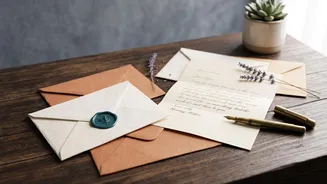
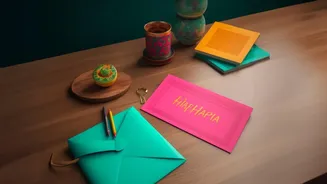
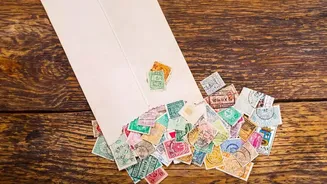
Modern snail mail is often a vibrant, creative act. It’s not just about the words written but also about the presentation. Enthusiasts share images of decorated envelopes, washi tape, elaborate calligraphy, and curated collections of stickers and stamps on social media platforms. This visual aspect has created thriving online communities that, paradoxically, encourage an offline activity. Snail mail clubs in India and across the globe now cater to this trend, sending subscribers monthly packages of art prints, stickers, and themed stationery. It transforms letter writing from a simple act of communication into a form of self-expression and scrapbooking.
A Mindful and Intentional Practice
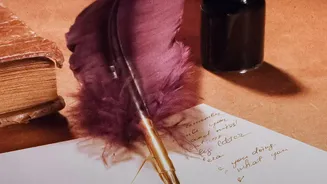
Writing by hand is a more deliberate process than typing. It engages the brain differently, with studies suggesting it can improve memory and learning. Because you cannot easily delete a misplaced word, writing a letter encourages you to think more carefully about what you want to say. This deliberate pace can be a meditative practice, grounding you in the present moment. The act of composing a letter becomes a moment of mindfulness, a quiet space for reflection in a world that rarely encourages it. It is an intentional act of building a bridge to another person, fostering a deeper sense of connection.
Finding Community Through the Postbox
The resurgence of snail mail has also revived the idea of pen pals, connecting strangers from different walks of life. Initiatives like 'Chitthi Exchange' in India, which started during the pandemic, have connected thousands of people through letter writing, helping to combat feelings of isolation. These communities often form online, with members finding each other through hashtags and dedicated groups before moving their connection to the physical mailbox. For many, especially younger generations like Gen Z who didn't grow up with letters as a primary form of communication, this is a novel way to form relationships that feel more personal and less commodified than online interactions.