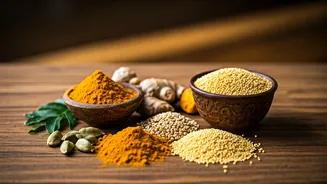









The Golden Rule: Turmeric (Haldi)
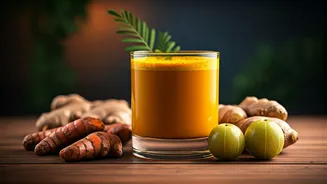
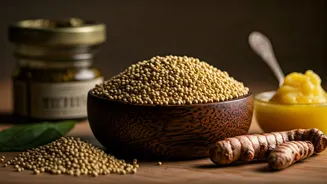
This vibrant yellow spice, a cornerstone of Indian cooking, is much more than a flavouring agent. Turmeric contains curcumin, a compound celebrated for its anti-inflammatory and antioxidant properties. When the weather turns damp and cold, a daily dose
can help support your body’s natural defence systems. The traditional practice of drinking 'haldi doodh' (turmeric milk) before bed is not just an old wives' tale; it's a comforting ritual that helps soothe the throat and may reduce inflammation. For best absorption, prepare your golden milk with a pinch of black pepper and a small amount of ghee or coconut oil, which helps the body utilise the curcumin more effectively.
The Warming Duo: Ginger and Tulsi
When you feel a tickle in your throat, what’s the first thing your grandmother suggests? Likely a steaming cup of ginger and tulsi tea. This combination is a powerhouse for respiratory wellness. Ginger (adrak) is known for its ability to warm the body and fight microbes, making it perfect for cold, damp days. Tulsi, or Holy Basil, is revered in Ayurveda as an adaptogen—a substance that helps the body adapt to stress and supports normal function. It is packed with antimicrobial properties. Simmering a few crushed tulsi leaves with grated ginger in water creates a potent, aromatic brew that can help clear congestion and provide immediate comfort during seasonal transitions.
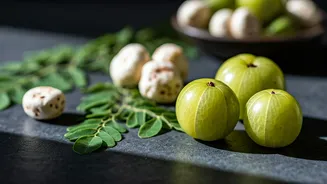
The Vitamin C Powerhouse: Amla
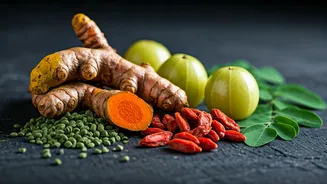
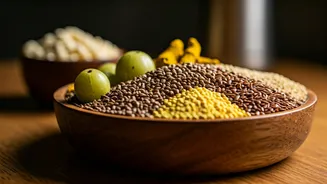
Forget imported berries; India’s own superfood, the amla or Indian gooseberry, is one of the richest natural sources of Vitamin C. This essential vitamin is crucial for the production and function of white blood cells, which are the soldiers of our immune system. A single amla contains nearly 20 times the Vitamin C of an orange. Its potent antioxidant profile helps protect cells from damage caused by free radicals. While its sour taste can be intense, you can consume it in various ways: eat it raw with a sprinkle of salt, juice it with a bit of honey, or enjoy it as a traditional 'murabba' (sweet preserve). Incorporating amla into your diet, especially during the winter months, is a simple way to fortify your body's defences.
The Ancient Brew: Traditional Kadha
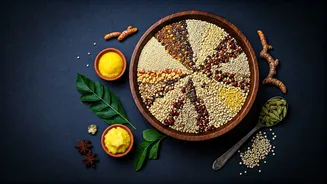
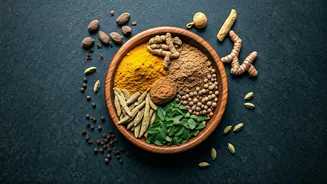
Kadha is not a single recipe but a concept—a decoction of herbs and spices simmered in water to extract their medicinal properties. It is the ultimate customisable immunity booster. A typical kadha for fending off seasonal illness includes a mix of ingredients like black pepper (kali mirch), cloves (laung), cinnamon (dalchini), ginger, and tulsi. Some recipes may also add giloy or mulethi (liquorice root) for added benefits. The heat from the spices helps to improve circulation and clear mucus, while the combined antimicrobial properties of the ingredients provide a formidable defence. Sipping on a small cup of warm kadha in the morning or evening during the monsoon and winter seasons is a time-honoured practice for keeping seasonal ailments at bay.
Gut Health Guardians: Probiotics
A healthy immune system begins in the gut. Around 70% of our immune cells reside in our digestive tract, making gut health paramount. Traditional Indian diets are rich in natural probiotics, which are beneficial bacteria that support a healthy gut microbiome. Simple homemade 'dahi' (yoghurt) is an excellent source. Unlike many commercial yoghurts, it contains live bacterial cultures that aid digestion and help crowd out harmful pathogens. Fermented foods like idli, dosa, and dhokla also contribute to a healthy gut. Ensuring a regular intake of these natural probiotics helps maintain the delicate balance of your gut flora, which in turn strengthens your overall immunity.