






Before You Leave: The Digital Drill
Your most powerful tool for monsoon travel is your smartphone. Before stepping out, a few minutes of digital reconnaissance can save you hours of trouble. Start by checking the latest weather forecasts from the India Meteorological Department (IMD) for any
heavy rainfall alerts. Next, turn to travel apps. M-Indicator and the official Yatri app are essential for Mumbaikars, providing real-time updates on local train schedules, delays, and platform changes. These apps also offer information on BEST bus routes, which can be a viable alternative when trains are disrupted. For road travel, use mapping services to check for traffic congestion and known waterlogging spots. The Brihanmumbai Municipal Corporation (BMC) often shares updates on traffic diversions and road closures through social media and its official channels, so a quick look can help you plan a smarter route.
Choosing Your Commute Wisely
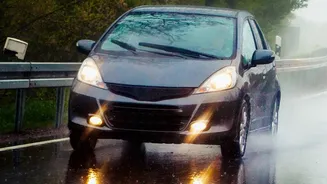
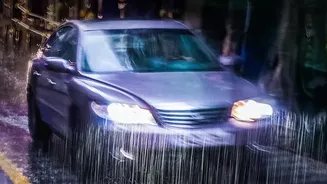
During heavy downpours, your usual mode of transport may not be the best choice. Local trains, the city's lifeline, can suffer from delays due to water on the tracks, so listen for announcements and check app updates. If you're considering taking your own car, think again. The simplest rule is to avoid driving through flooded areas. Just six inches of water can make you lose control, and a foot can stall most cars, causing severe engine damage. Underpasses and low-lying areas are particularly deceptive and should be avoided. If you must drive, do so slowly, keep your headlights on for visibility, and maintain a safe distance from other vehicles. Often, public transport is a safer bet.
Navigating Waterlogged Streets on Foot
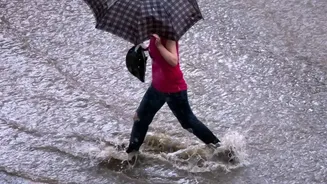
Sometimes walking is unavoidable. If you must wade through flooded streets, prioritise your safety. Be aware that floodwater can hide open manholes, potholes, and sharp debris. It's also often contaminated with sewage, which increases the risk of infections like leptospirosis, especially if you have cuts or scrapes on your feet. The BMC strongly advises seeking preventive medical care within 72 hours if you've walked through floodwater. Always wear sturdy, waterproof footwear with a good grip. As soon as you reach your destination, wash your feet and legs thoroughly with soap and clean water, then dry them completely. Also, stay clear of electric poles and loose cables, as electrocution is a serious risk.
Your Essential Monsoon Go-Bag
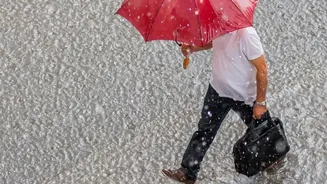
Being prepared can make a huge difference when you're stuck in transit. Pack a small, waterproof bag with essentials before you leave home. This should include a fully charged power bank for your phone, as communication is key. An umbrella and a reliable raincoat are non-negotiable. Also carry a small bottle of drinking water and some light, non-perishable snacks. It's wise to keep any important documents and electronic gadgets in a separate waterproof pouch or plastic bag. Having basic medications on hand is also a good idea. Finally, a small tube of antiseptic and a few bandages can be useful for any minor cuts or scrapes you might get along the way.
Monsoon Health and Hygiene
The monsoon season brings a higher risk of water-borne and vector-borne diseases. The humid environment is a breeding ground for mosquitoes, increasing the threat of dengue and malaria. Health experts advise against eating street food during this time, as your digestive system can be more vulnerable to infections from contaminated food and water. Stick to boiled or filtered water and freshly cooked meals. If you get drenched in the rain, change out of wet clothes as soon as possible to prevent fungal skin infections. If you develop a fever or other symptoms after being exposed to floodwater, don't self-medicate; consult a doctor immediately. For any emergencies, the BMC's helpline number is 1916.